
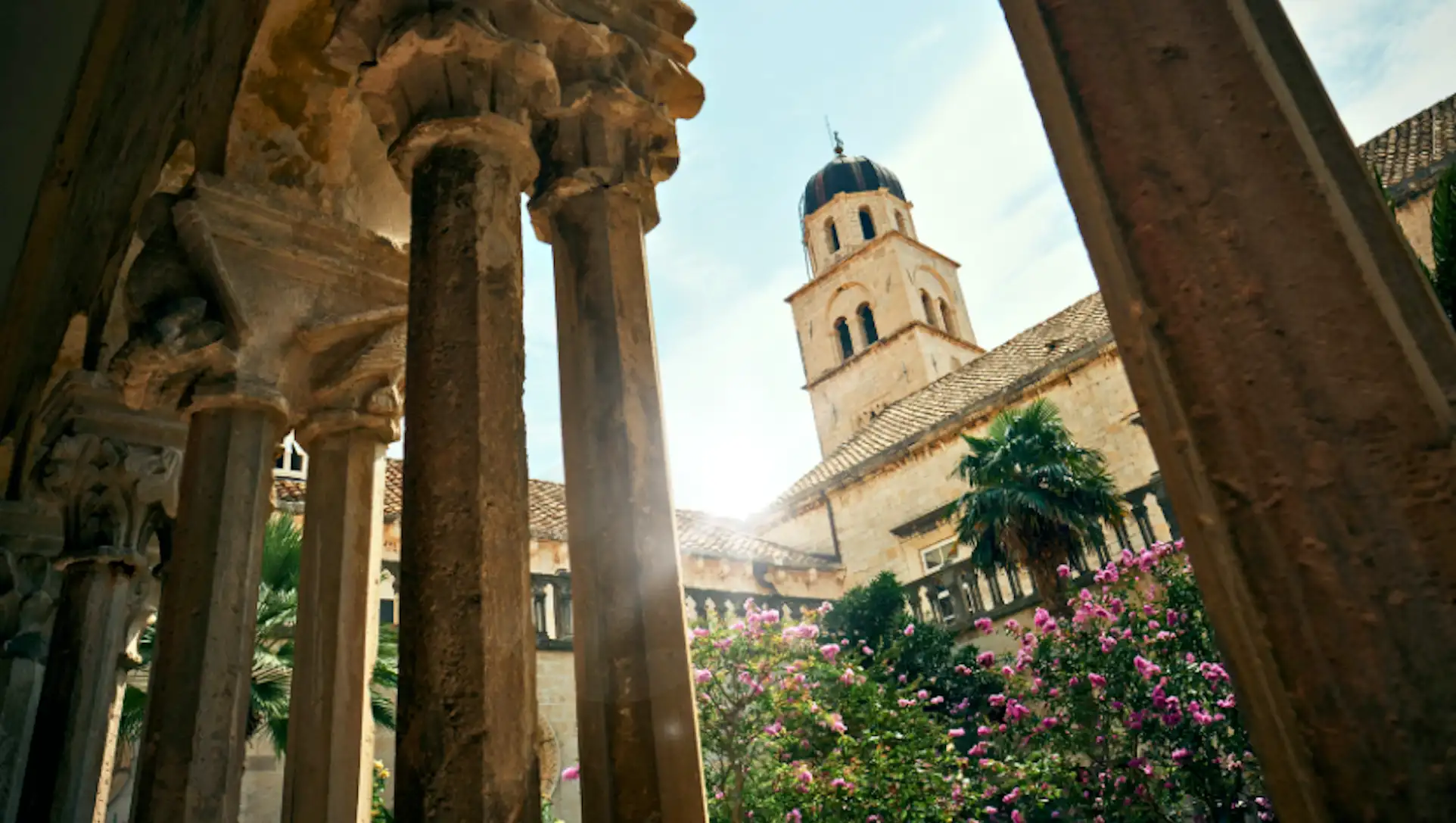
Home > Travel Guide > Travel Ideas & Inspiration > What to do in Dubrovnik in 2026
Share this post
Dubrovnik is one of those towns that was a hidden gem for the longest time. But with the increase of travel influencers, blogs, and even shows like Game of Thrones, Dubrovnik was really put on the international map.
The capital of Croatia, a coastal country in the Schengen zone, Dubrovnik is known for its small islands, craggy coastline, and Mediterranean feeling. It is an area that has been inhabited for years, meaning there are plenty of fortress walls and old ruins to explore.
When planning a trip to Croatia, there are so many things to think about - entry requirements, travel insurance, what to pack and where to stay. But the ribbon over all of that is what exactly you're going to do during your trip.
We're here to give you some of the most fun things to see and do.
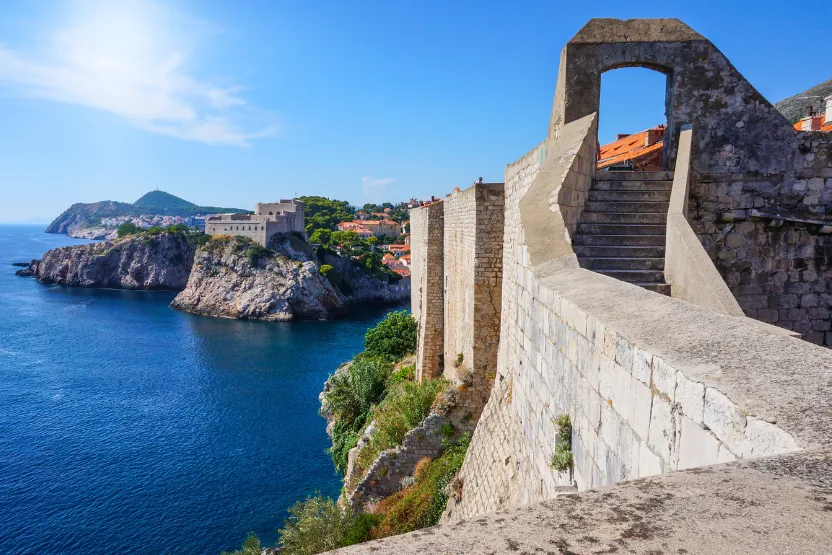
Dubrovnik's City Walls
While common in the Medieval era (in Europe anyhow), city walls are much less common now. Many cities have ruins or small existing portions, but Dubrovnik is unique in the fact that it has an intact city wall.
Encircling the entire old town (about 1.2 miles in length), the ancient city walls have had quite the history, and you can explore them (though, tickets are required).
Construction started in the 900s and continued for the next few hundred years.
If you're going to Dubrovnik...
Make sure you're covered in Croatia!
Today, the walls still stand. They were popularized because portions of them were featured on Game of Thrones.
Make sure you wear comfortable walking shoes, as the paths and stairs leading up can be uneven and crooked. It can get pretty crowded during the day, so just keep that in mind.
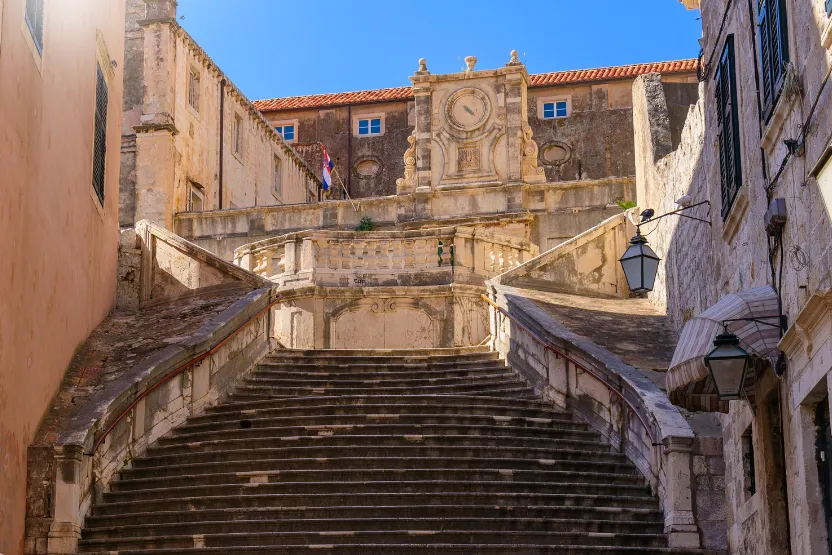
The Jesuit Stairs
Located in Dubrovnik's Old Town (which we'll talk about in more detail in a moment), the Jesuit Stairs were built in 1738. They lead directly up to the Jesuit Church of St. Ignatius.
Back in the day, they were used as a route for clergy processions. Today, they're primarily used by locals for anything from sitting to read a book, or even as free exercise.
Psst...the Jesuit Stairs were also featured in Game of Thrones.
A word of caution when you visit - since the stairs are very old and the stone has worn down, they can be extremely slippery, especially when wet.
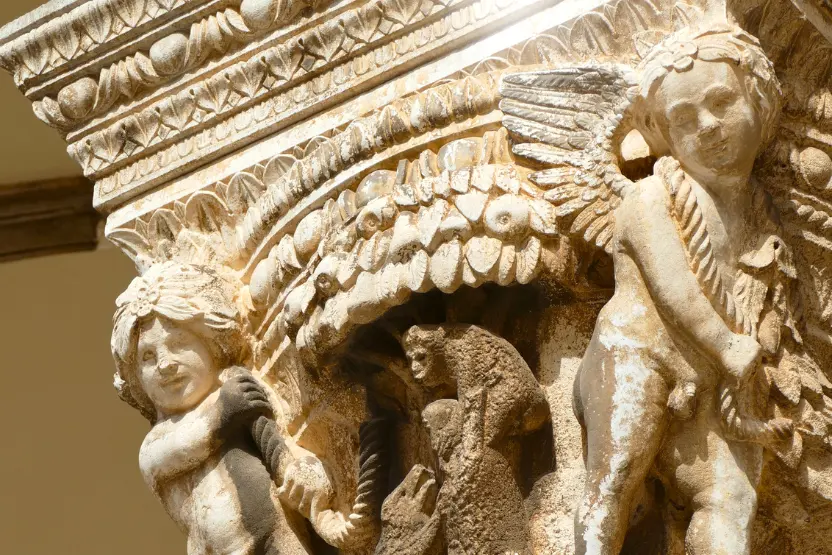
Rector's Palace
The former seat of the Republic of Ragusa (what the area was long ago), Rector's Palace was built in the 12th century. Unfortunately, in the mid 1400s, the Palace was destroyed due to a gunpowder explosion. Because of that, it was rebuilt.
It has actually fallen victim a couple times. There was another gunpowder explosion about thirty years later that damaged it again. In the 1600s, it was damaged due to a severe earthquake. Still, Rector's Palace prevailed.
Now, it is a museum with beautiful architecture, artifacts like coins and seals, it even holds the keys to the city gate.
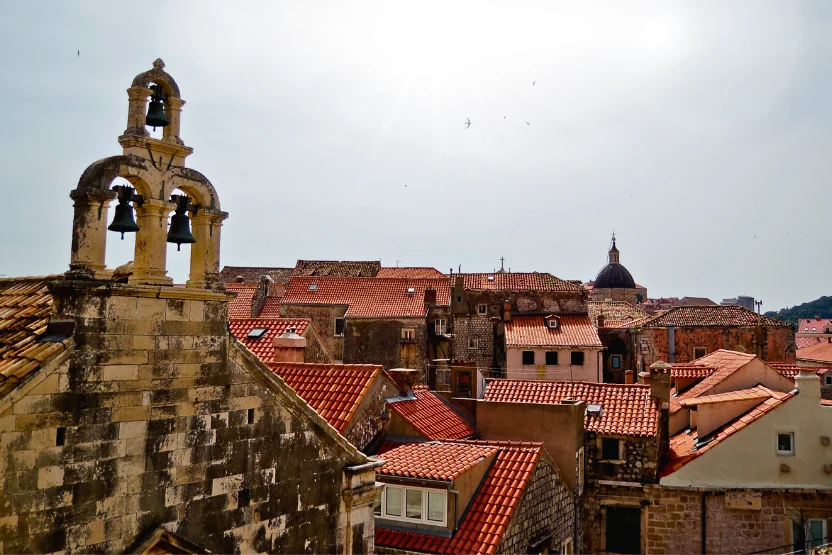
Dubrovnik's Old Town
Dubrovnik's Old Town is completely enclosed by the city walls. It's also 100% pedestrian, making it one of the most walkable city centers in all of Europe.
You'll find cafes, shops, museums, monuments, and more.
The city center was founded in the 600s and continued to evolve over time. For instance, one of the most famous streets in town (which is later on our list) was paved in 1468.
Dubrovnik's city center is a UNESCO World Heritage Site, with many doors dating back hundreds of years, narrow alleys and hidden staircases, and monuments that have survived natural disasters like earthquakes.
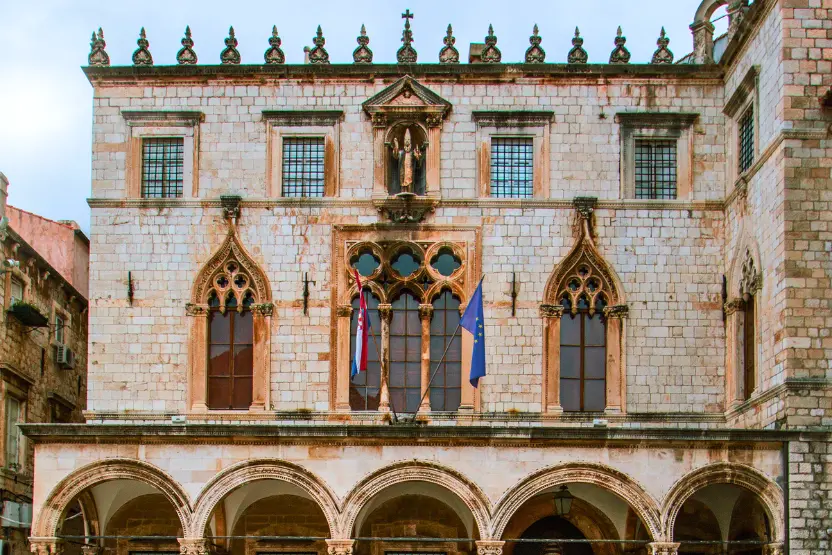
Sponza Palace
Located in the Old Town, Sponza Palace was a palace, then a customs house, and is now a house's archives.
Its blend of Gothic and Renaissance architecture make it stand out amongst the warm colored stone around town.
Sponza Palace was built in the 1500s and it is one of the few buildings that survived the 1667 earthquake (the one that severely damaged Rector's Palace).
The hours vary, and whether or not it's free to go in depends on specific events and their calendar. Keep in mind it is now an archives house, so don't expect a ton of museum exhibits.
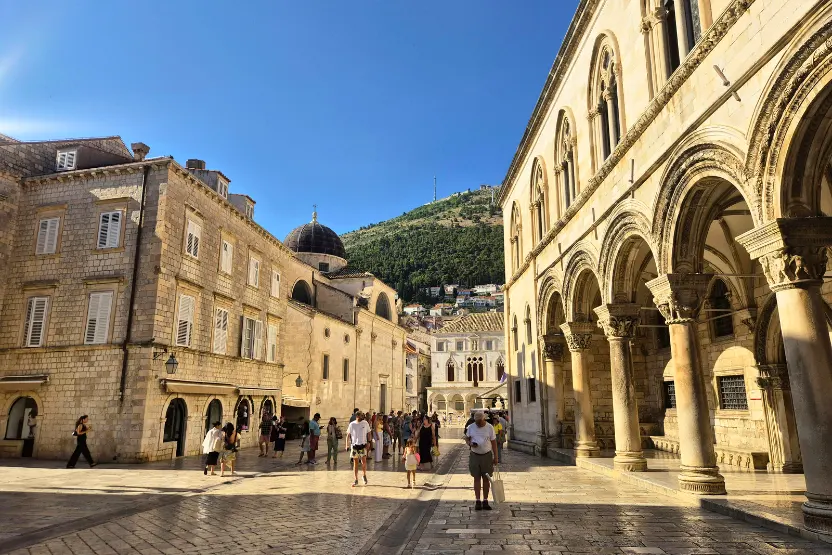
Loggia Square
Loggia Square is one of the most popular town squares in Dubrovnik's Old Town. It's a great place to get a 360 view of the surrounding streets, take photos, or enjoy a coffee or ice cream cone.
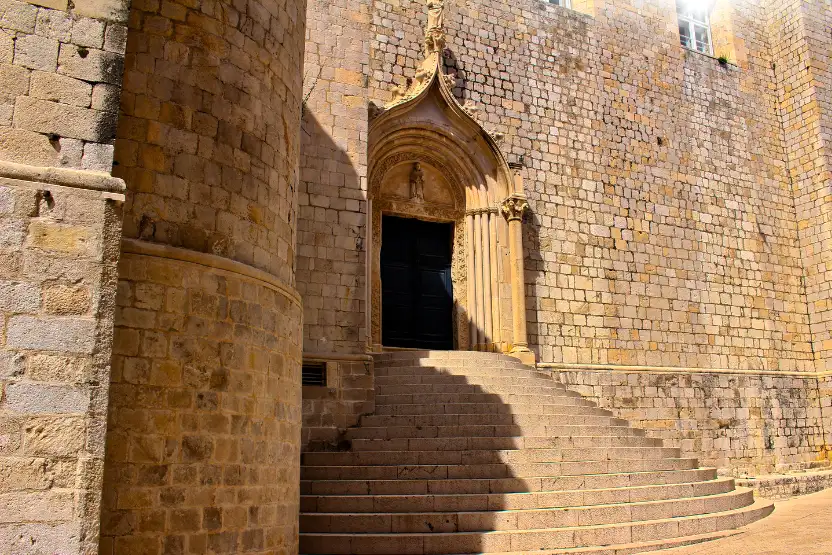
The Dominican Monastery
This Gothic monastery is in the Old Town and has a cloister and a museum.
It was founded in the 1200s and became one of Dubrovnik's major religious sites. With artwork, reliquaries, and having been witness to a lot of history, it's arguably one of the most important buildings in the city.
The atmosphere is peaceful inside, especially in the courtyard gardens, which can be really nice if you need a break from the busier streets outside.
Tickets are required to enter.
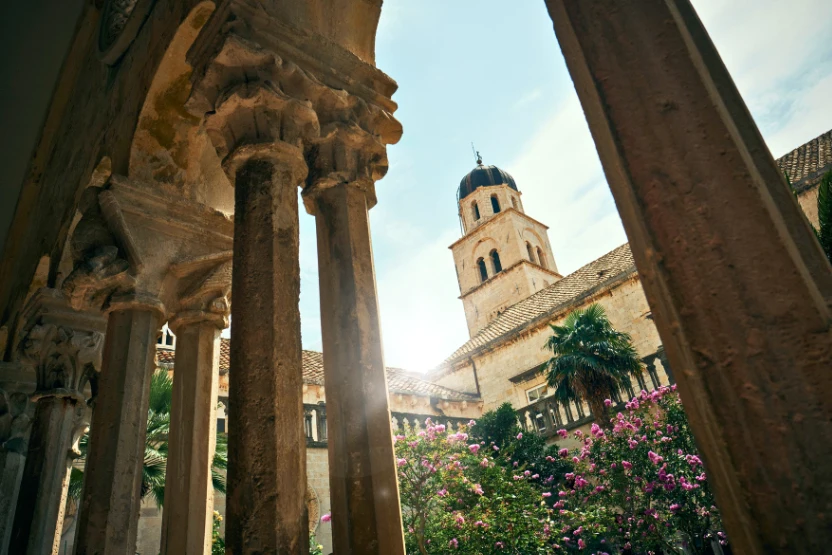
The Franciscan Monastery
In the heart of the city center sits the Franciscan Monastery. It is a monastery complex, church, cloister, museum, and also home to Dubrovnik's Old Pharmacy.
The Old Phamarcy is said to be one of the oldest continuously operating pharmacies in all of Europe! It opened in 1317.
At its conception and on through the Medieval era, Franciscan monks gave medical care and attention to anyone and everyone that came through their doors needing help.
Treatments have changed a lot since then. Yesterday's tinctures, honeys, and spices are todays antibiotics, anti-inflammatories, and pain killers.
Tickets are required to visit and the entrance is a little bit inconspicuous, but we promise you, it's there. Make sure you dress modestly, as there are some clothing guidelines as it's still a religious place.
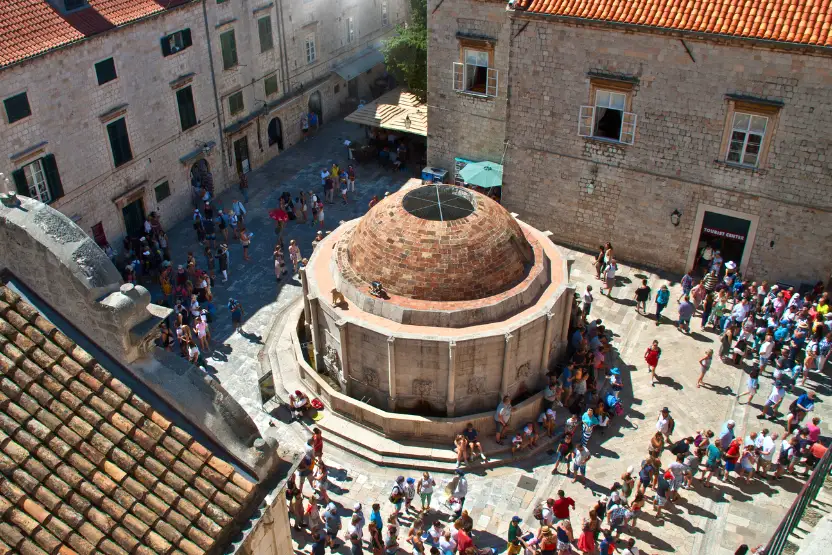
Onofrio's Large Fountain
Not to be confused with Onofrio's smaller fountain, Onofrio's large fountain is a 15th century public fountain, created so residents could have access to fresh, clean water.
Built in 1438, it still operates today and the water is completely safe to drink.
It, like much of Dubrovnik, was heavily damaged during the 1667 Earthquake, but it was mostly repaired. It's still missing 16 sculpted faces that use to decorate it.
Near the fountain, you'll often find street performers, couples hanging out, and people taking photographs. It's definitely a constantly busy part of Old Town.
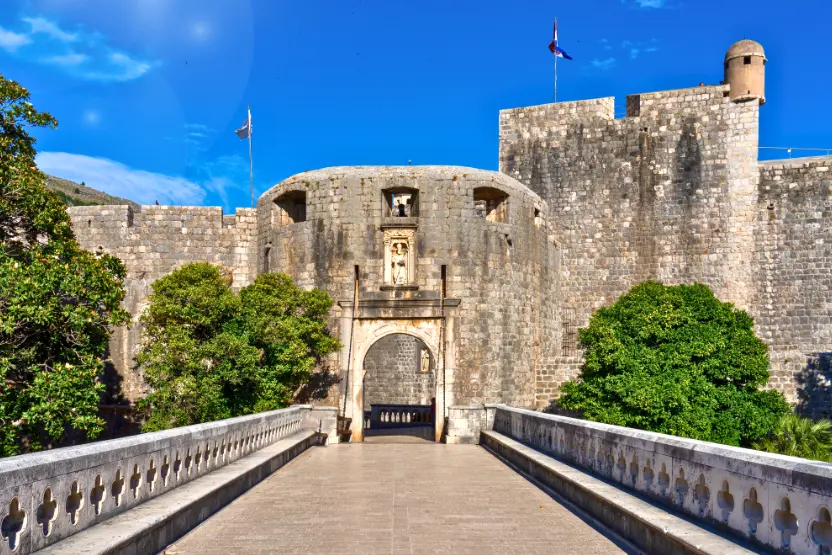
Dubrovnik's Pile Gate
Pile Gate is one of the entrances to Old Town, dating all the way back to 1537.
Originally, it had a wooden drawbridge that would open during the day and close at night, protecting everyone inside of its walls.
Today, it's a pedestrian entrance into the heart of Dubrovnik.
This is one of busiest areas in the Old Town, especially if a cruise has just come in. Because the door is fairly narrow, it creates a bottleneck if there's a ton of foot traffic.
Keep an eye out in crowded areas like this, as they're often breeding grounds for pickpockets.

Old Town Stradun Street
It isn't long, but it's beloved. Stradun Street isn't even a quarter mile in length, but it's probably the most famous street in all of Old Town.
Paved in Limestone above a former sea channel, Stradun has been around for centuries. This is the street that was paved in the 1400s that we mentioned above.
It's famous for its markets, parades, festivals, and ceremonies, connecting Pile Gate to Ploce Gate (the gate on the other side).
Like other limestone stairs and streets in Dubrovnik, it becomes extremely slick when it is wet, so make sure to be vary careful when you're walking around.
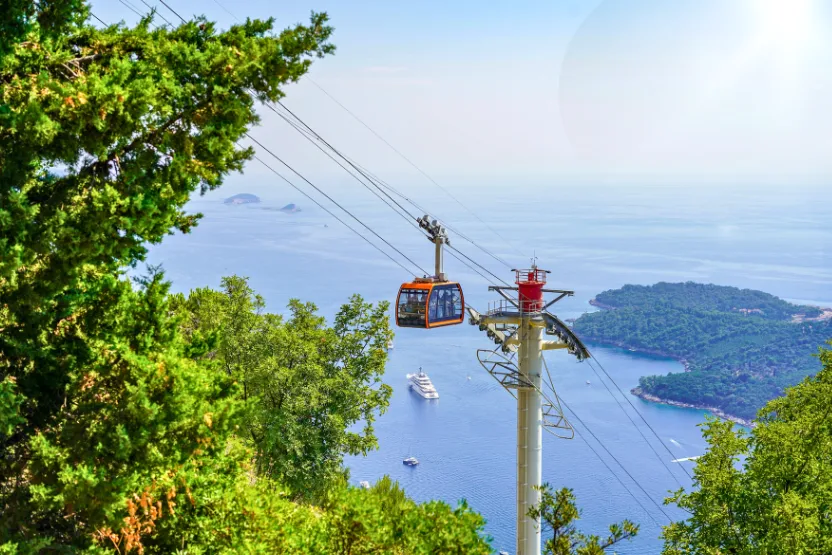
Dubrovnik's Cable Car
If you want some of the most incredible views you will ever see, it's worth getting tickets to ride Dubrovnik's Cable Car.
The Cable Car is accessible just north of Old Town and the summit is Mount Srð. Originally built in the 1960s, it was unfortunately destroyed during the Homeland War of 1991-1995. However, it was rebuild and opened again in 2010 with brand new cables.
Sunset rides can fill up quickly, because of the amazing views. On clear days, you may even be able to see neighboring Bosnia-Herzegovina. The lines can get quite long, so once you've made the way up, it's often faster to just hike/walk back down to Old Town than wait in line and ride.
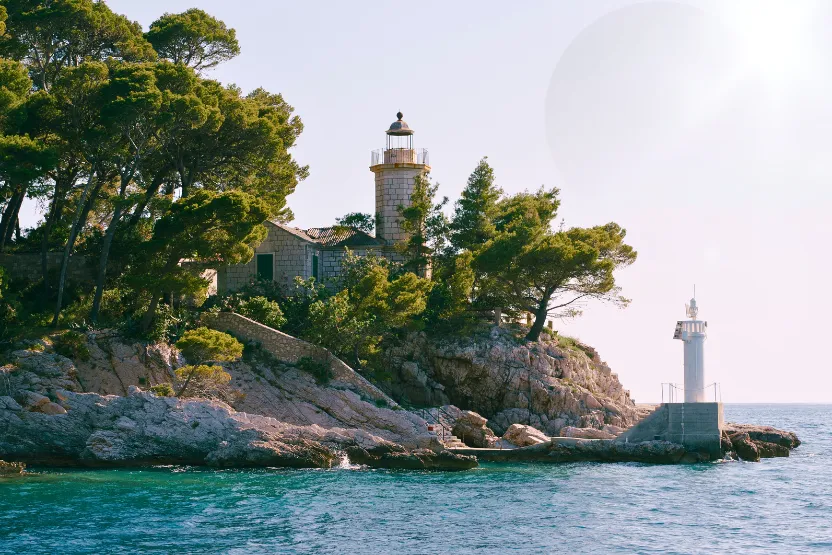
Daksa Island
Just shy of 3 miles off the coast of Dubrovnik's Old Port sits Daksa Island, a small island without any inhabitants. All that is left is a Monastery ruin and memorial site.
Founded by the Franciscan Monastery in 1281, it was operated until the Napoleonic reforms.
It holds a dark history, as a mass execution site in 1944 during World War II.
It is only available by boat and access is restricted, so make sure to look up the entry requirements beforehand if you're interested in visiting. If not, it's worth going to the Old Port and taking a look out for it into the distance.
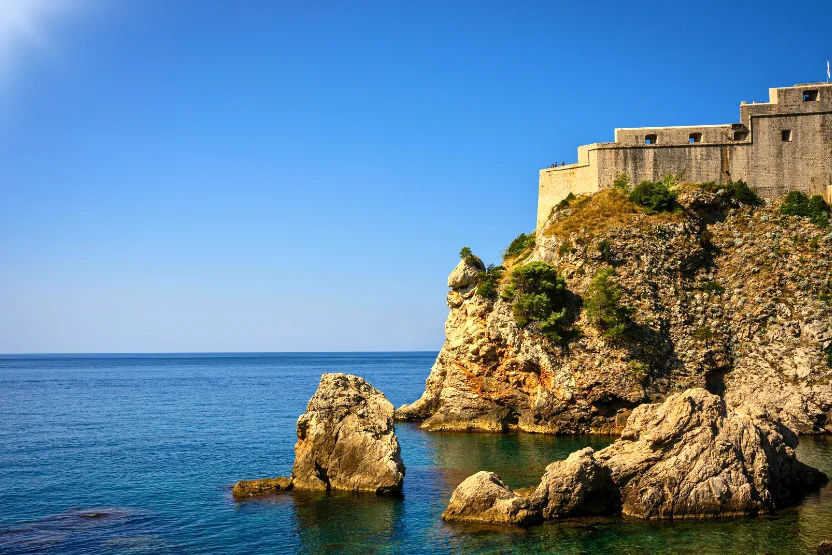
Lovrijenac Fort
One of the few things to do on this list outside of the city walls, Lovrijenac Fort is a defensive fortress that was (likely) built in the 11th century, right up against a cliff with a 121 foot drop.
Today, it is actually home to several different theatrical performances. It was also featured in Game of Thrones. If you're familiar, you might recognize it as "The Red Gate."
It's a steep climb up, without shade. Like the rest of the city, it is also a bit slippery. Bring your reliable walking shoes and a bottle of water with you if you plan to visit.
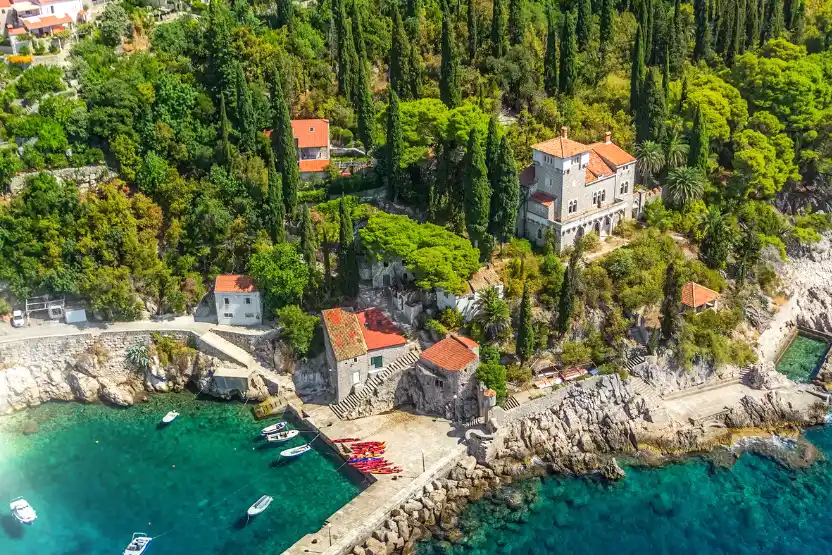
The Trsteno Arboretum
Trsteno is the oldest Arboretum (tree sanctuary) in all of Croatia.
Created in the 15th century, it was once owned by a noble family. In 1948, it was donated.
The property includes old buildings, Renaissance gardens, even some extremely old trees. Some are said to be over 500 years old.
There are peacocks, sea-views, and tons of Mediterranean plants to see.
Keep in mind that you'll need to find transport to and from. Additionally, tickets are required. The paths can be uneven, and while there are trees there, they aren't really the ones that provide adequate shade. This means it can be very hot in the summer.
You might also like...
- Do you need a visa for your trip to Croatia? Learn how to apply in our Croatian Schengen Visa Guide
- Are you a US, Canadian, or UK citizen? You might need ETIAS for your next trip to Croatia. Learn more in our Croatia ETIAS Guide.
- Moving to Croatia? Learn about long-stay visas and residency in our Croatia Long-Stay Visas guide.
Related posts


Upcoming travels ? Get Insured !
Find the right insurance for your trip by using our powerful comparison tool!