
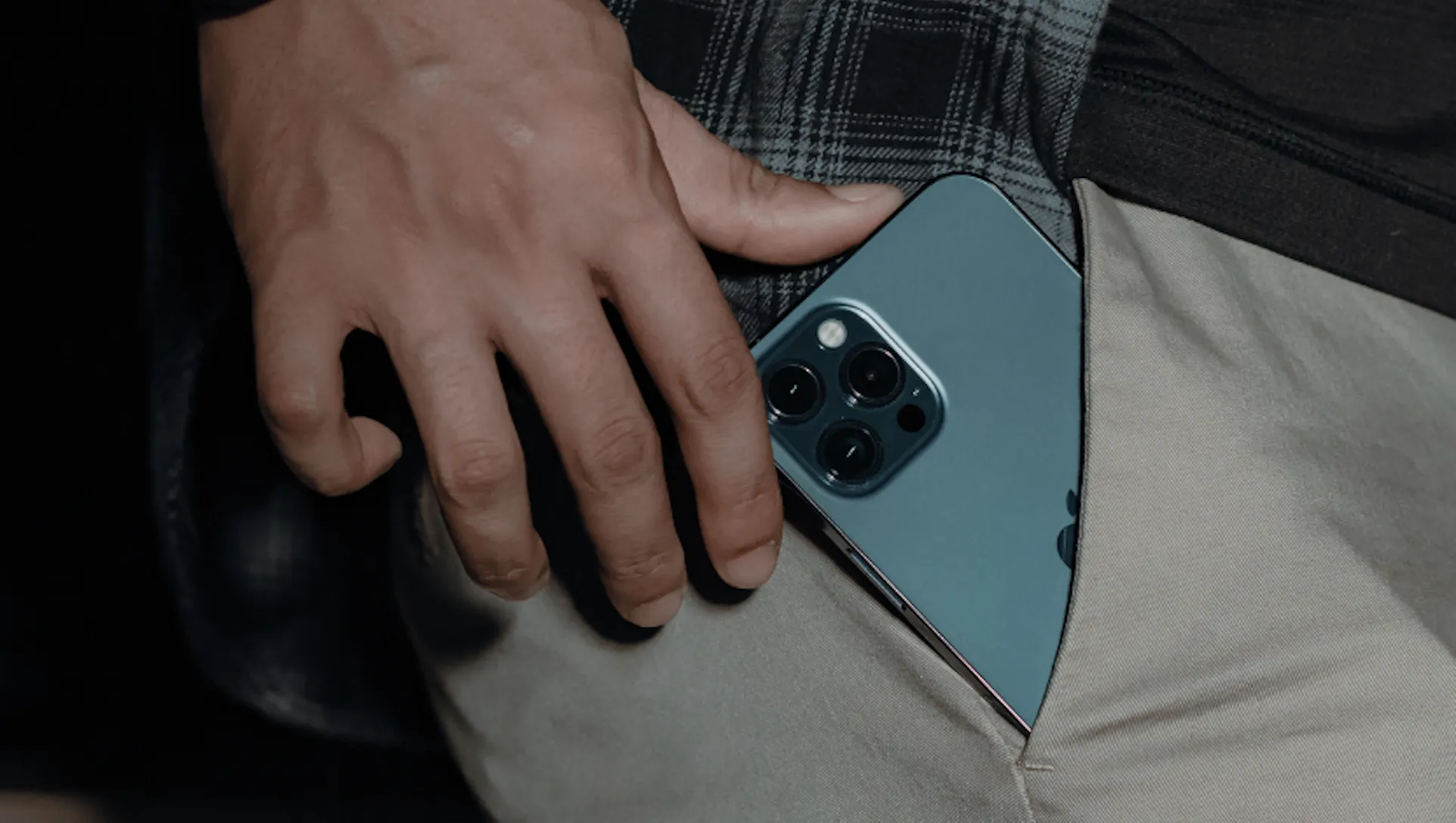
Here's How to Avoid Pickpockets in Europe in 2026
Sarah Pardi - April 3, 2026
Home > Travel Guide > Travel Safety & Health > Here's How to Avoid Pickpockets in Europe in 2026
Share this post
Depending on where you call home, pickpocketing may not be something you've developed an eye for. This is because it tends to be more common in some countries than others. While getting things like travel insurance can help, it doesn't prevent getting pickpocketed in the first place.
When growing up around the threat of petty theft, taking the necessary precautions isn't even a second thought. But if you aren't used to being on the lookout, you might find your pocket empty the next time you reach into it - literally.
The data isn't brand new (we'll update this article when new data is available), but pickpocketing continues to rise in the European Union. In 2023, it rose 4.8% from the previous year. There were 5.3 million recorded thefts in the EU - now, keep in mind that these are all types of non-violent theft, not solely pickpocketing (so it includes burglary, etc.).
A number that large can be difficult to unpack, but it's important to think about it relatively. For instance, in 2023, the US saw much higher levels of theft overall. But pickpocketing? Much less common there.
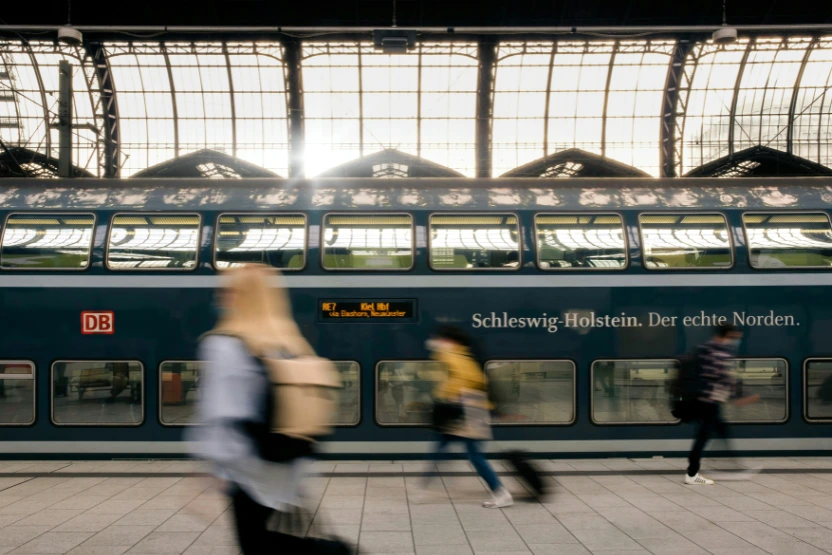
Where pickpocketing occurs
Pickpocketing happens throughout Europe, which includes countries like France, Spain, Italy, and Germany.
When you're traveling anywhere, it's a good idea to keep a close eye on your personal items, but that's especially the case when visiting major European cities or when going to popular tourist sites or events.
You should remain viligent all of the times, but especially when you're in the following areas.
Note: We're not telling you to avoid these areas. We're telling you to just be a little more on-the-lookout when in them.
1. Train stations and public transportation
Train stations, trams, and metros are popular places for pickpockets to linger. This is because people are coming and going, and are usually distracted as they're watching the clock or navigating ticket kiosks.
People are passing through all day long, so it leaves a lot of opportunity for pickpockets to make a move.

2. Tourist hot spots
The Eiffel Tower, the Trevi Fountain... pickpockets will often go to tourist hot spots for the same reason they go to train stations. There are a lot of distracted people, and traffic moves quickly.
On top of that, it's probably safe to say that most of the visitors are foreign, or at least not from that city. Because of that, they may not know to be on the lookout, which is exactly what pickpockets are looking for.
If you're planning to hit tourist spots (which you should!), make sure you're paying close attention to your personal belongings.
3. Events
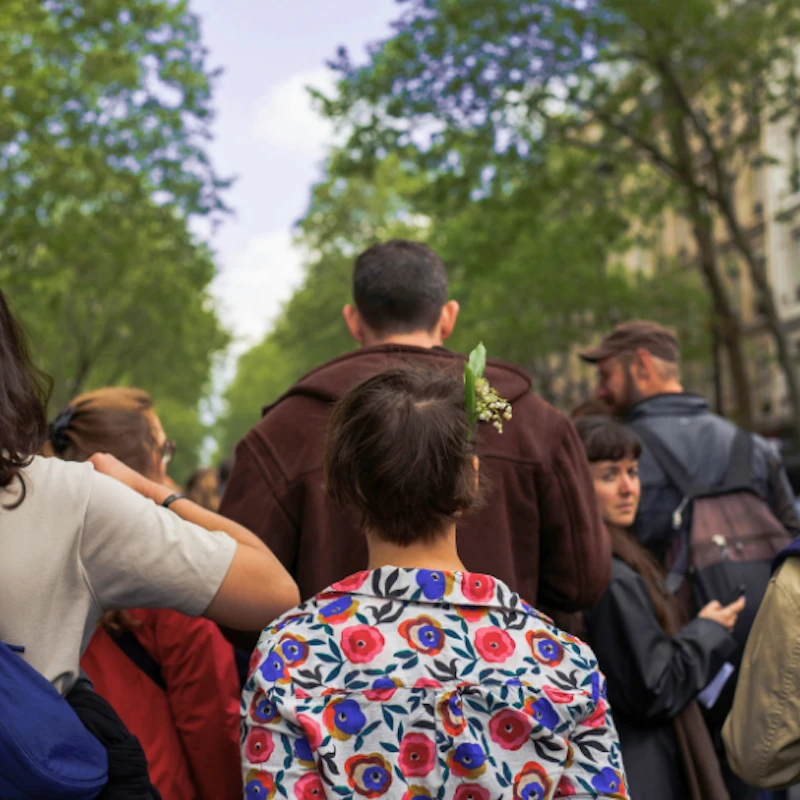
From sporting events to large concerts and festivals, events are another place that pickpockets tend to loiter. This is for the same reason as above: distracted, unaware guests, lots of flowing foot traffic, out-of-towners, etc.
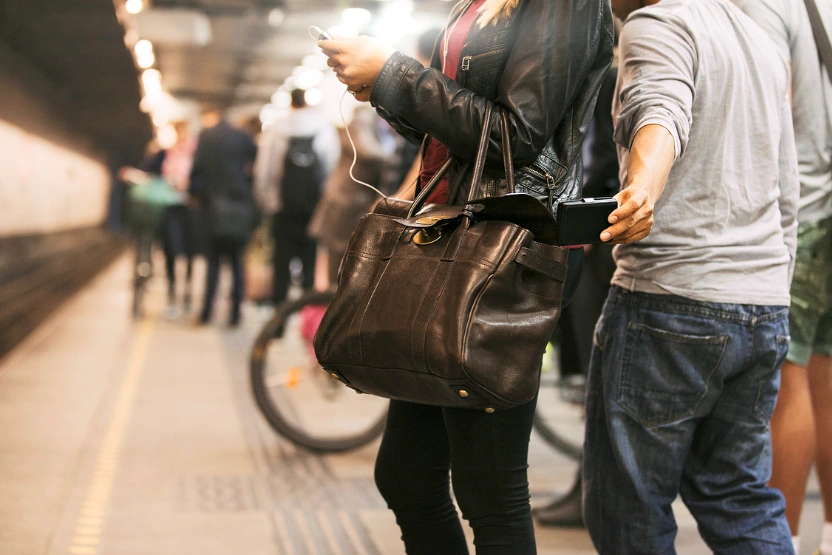
How to avoid getting pickpocketed
While it may feel like enough to just keep an eye out, unfortunately, it isn't. Pickpockets are extremely skilled, which means most people don't even see them coming. They can also work in groups, where one "innocently" distracts you while their accomplice swipes your things.
It's not uncommon to hear reports of travelers not even realizing they had been pickpocketed until the next time they go to reach for their wallet or phone.
Instead, there are a few simple precautions that you can take.
Don't keep valuables in your pockets
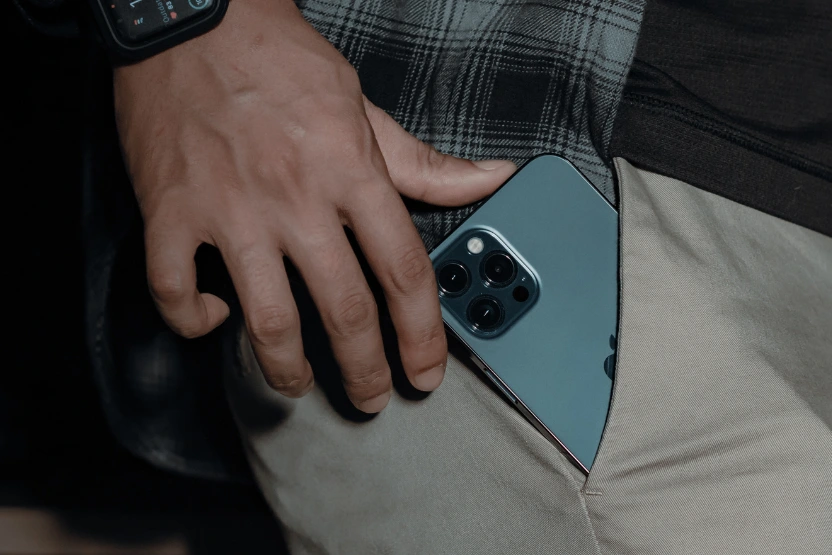
The pockets are an easy place for a pickpocket to grab from. If you commonly keep your phone, wallet, passport, etc. in your pocket, you'll want to come up with a different solution when you travel.
Whether it's a coat pocket, a pant pocket, or something else doesn't matter. Pockets are prime real estate.
You'll find that in Europe, many people carry bags, oftentimes small front crossbody bags instead.
Pay attention to your bags
Front crossbody bags make it easy to have an eye on your belongings at all times, but if you have other kinds of bags like purses, totes, or backpacks, you'll want to pay attention to them in busy areas (like the ones mentioned above).
Make sure all of the pockets are zipped/clasped at all times. When you're in those pickpocket hot spots, it can make sense to carry your bag on the front of your body until you're in a less crowded area.
Avoid using your phone at certain times
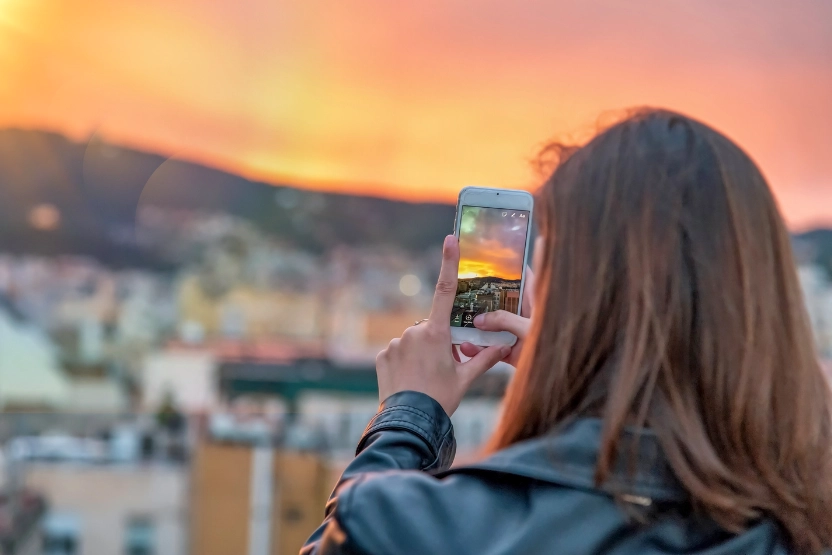
Nowadays, our phones double as our cameras, which means they're in our hands more than ever - especially when traveling. Of course, thieves know this.
While not particularly sneaky or clever, there have been scenarios where travelers' phones get snatched from right out in front of them.
On the metro/subway
On many European metros, the doors automatically close and open. If you're standing by a door with a phone in your hand, be careful. There have been reports of pickpockets waiting at the station, quickly grabbing your phone, all in perfect timing for the metro door to shut and for you to be on your way, phoneless.
In general, it's a good idea to have your phone zipped up somewhere safe in metro stations.
Outdoor restaurants and bars
Dining al fresco is popular in the summer months. If your phone is sitting on your table, there's a chance someone could walk by and quietly swipe it. This is particularly true in large tourist neighborhoods or neighborhoods that are really busy (like shopping areas).
Additional precautions to take
Always check the official advice of local governments. The US, UK, and Canadian governments all give specific advice about how to protect yourself from pickpockets.
The European Union is very diverse, and risks vary from country to country. Looking up the specific country you're going to is always a good idea. Beyond pickpocketing, you can see the official advice about other common concerns, like illnesses, weather, and more.
It's also highly recommended that all travelers get travel insurance before visiting European countries.
Make sure you read the terms and conditions (particularly the exclusions) of the policy before you purchase, so you understand exactly what it covers, and sometimes more importantly, what it doesn't.
While it might seem like a good idea to just leave all your valuables in your hotel room, make sure you read their policies regarding theft, too, especially when staying in shared facilities like hostels.
In addition to that, some countries require you to carry ID on you.
As a general rule of thumb, keep your valuables zipped up and in your sight, ideally at the front of your body. In busy places, be extra aware of your personal belongings.
You might also like...
Learn which bugs and bug bites to look out for on our European Bug Bite page
Get information on which vaccinations are recommended for Europe on our European Vaccine page.
Get some ideas on how to travel through Europe on a budget.
 Sources & references
- Internal Expertise & Review
- Insurte is an online travel insurance company specializing in Schengen travel insurance. With more than 15 years of experience, our team of seasoned professionals is dedicated to helping travelers journey more confidently. We're committed to creating and sharing relevant, accurate resources and guides for travelers all around the globe.
- EuroStat Crime Data:
- Crime Statistics : Crime statistics and data from the European Union
- US Crime Data:
- Crime Data, 2023 : Data on crime from the US Department of Justice Crime Victimization
- Travel Advisories
- France : France travel advisories from the US Department of State
- Written by:
- Sarah Pardi - Staff Travel Advisor
- Fact-check and reviewed by:
- Clément Goubon
- Last updated:
- April 3, 2026
Learn more about our editorial standards and review process in our Editorial Policy.
Tags
Related posts


Upcoming travels ? Get Insured !
Find the right insurance for your trip by using our powerful comparison tool!