
The CDC Recommends You Make a Travel Health Kit: Here's What to Include
Sarah Pardi - June 2, 2026
Home > Travel Guide > Travel Safety & Health > The CDC Recommends You Make a Travel Health Kit: Here's What to Include
Share this post
Life comes with risks, no matter which way you slice it. Travel isn't unsusceptible to them. In fact, there are risks often associated specifically with travel, like checked luggage getting lost.
This is why travel is another thing we get coverage for. Sometimes the risks are an unavoidable, unlucky roll of the dice.
But did you know, in addition to travel advisories, the US Government also recommends that travelers make a Travel Health Kit before traveling - even domestically?
It makes sense. According to this poll from Traveler's United, 73% of sick plane passengers said they would still fly knowing they had a contagious illness.
Wellness is something we think about constantly, and should definitely keep in the forefront of our minds, especially when away from home.
What is a Travel Health Kit?
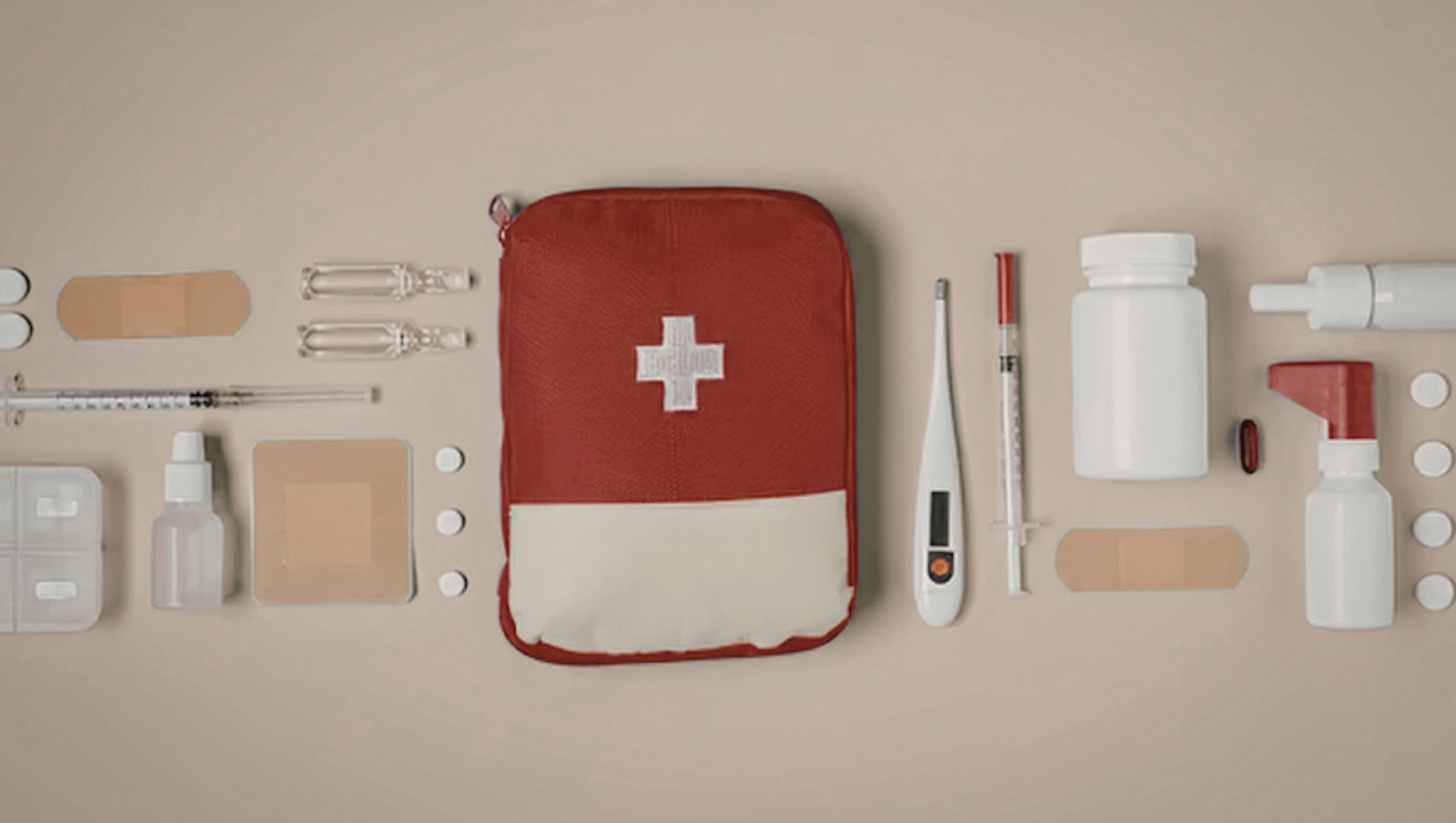
When it comes to the Center for Disease Control and Prevention, a Travel Health Kit is something that every traveler should make before going on any trip.
Their official advice states that travelers should prioritize including items that are difficult (or impossible) to find where they're traveling, as well as information that might be needed should you have an emergency, accident, or fall ill during your trip.
This kit isn't something you can buy; it's something you would need to put together yourself, but the CDC does have a list you can follow along with.
What you should include
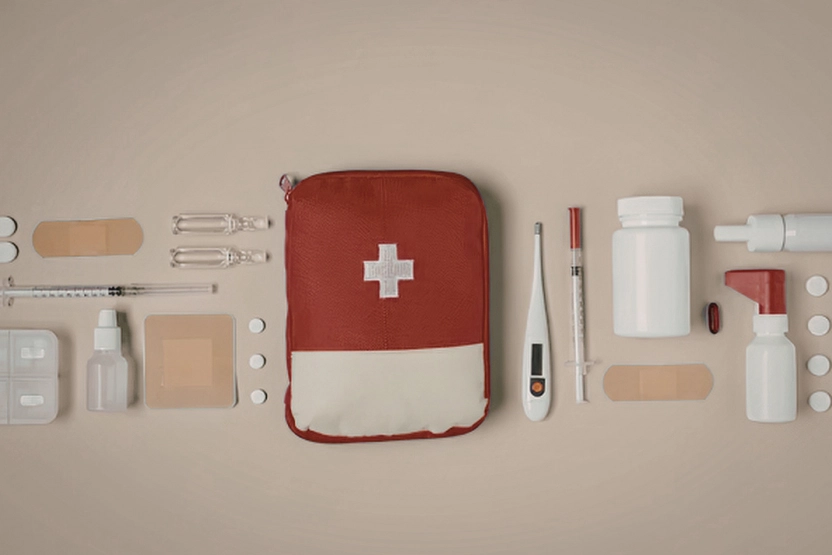
According to the CDC, you should include:
- Medications (both over-the-counter and prescription, if applicable).
- Other health-related supplies and products.
- Personal documents.
Medications to be included
The CDC recommends carrying several OTC (over-the-counter) medications, but prioritizing those that may not be easily accessible at your destination.
These medications include common antacids, antihistamines (such as Benadryl), cough drops and suppressants, decongestants, diarrhea medication (like Imodium), mild laxatives, motion sickness medication, pain and fever reducers, and mild sedatives or sleep aids.
If you're traveling abroad, the medicines that you're used to may not be readily available, and for some, you may even need to speak with a pharmacist to get them. While in the US, you can get OTC medicine at pretty much any grocery or convenience store, in Europe, you have to go to a pharmacy.
For some destinations, a doctor may prescribe you a medication ahead of your trip. This is because some countries and/or regions are at a higher risk for specific conditions, such as Malaria.
Planning a trip abroad?
Get the travel insurance you need, 100% online.
If a doctor prescribes you a medication ahead of your trip, make sure you bring that too. These medications could be antibiotics or antivirals, antimalarial medication, or something else.
Lastly, if you're on any prescription medications, the CDC recommends including those in their original packaging. Keep in mind that some medications may not be allowed at your destination, as different countries have different laws. You can learn more about what's allowed and what isn't in this prescription travel guide.
Products to be included
What the CDC recommends depends on your personal needs. Depending on the situation, condoms, diabetes testing supplies, earplugs, medical alert jewelry, or eye care (glasses, contacts, contact lens solution, eye drops, etc.) might make sense for you.
More generally, your Travel Health Kit should include first-aid supplies (band-aids, antibacterial ointment, etc.), hand sanitizer (at least 60% alcohol) or antibacterial hand wipes, high-quality masks, and insect repellent with an active ingredient like DEET.
Suncare should be a priority, with 15+ SPF sunscreen that provides UVA and UVB protection, sunglasses, and a hat. Learn more about what health experts recommend for the heat in our heatwaves guide.
If you're traveling to a region or country that has disease-spreading insects, it's also a good idea to bring bug repellent, particularly if you're going to be spending a lot of time outside. Learn more on our Europe Bug Bite page.
There are other products that you should consider depending on where you're traveling to and what you plan to be doing. The CDC recommends:
- Rapid tests for specific diseases.
- Water purification tablets or filters.

Documents to be included
First, unrelated to Travel Health Kits, if you're traveling overseas, you should bring any and all documents necessary to meet the entry requirements. This could be everything from a passport that meets travel requirements to a Schengen visa, or something else. Different countries have different requirements, so make sure you check what is required well before your trip.
For a Travel Kit specifically, the CDC recommends that you have all of the following documents in tow. Make sure you have a photocopy, as well as a digital copy (saved somewhere you can access from any device, such as a Google Drive or Email account).
- Your valid passport.
- Copies of any other travel documents (visas or residence permits, for instance).
- A copy of your immunization records.
- A contact card that contains emergency contact info, including name, email, phone number, and street address.
- Your hotel bookings/accommodation information.
- Copies of any prescriptions you have (including glasses and medical devices/supplies).
- Your health insurance card (if it can be used in your destination).
- Travel insurance proof (the CDC recommends all travelers heading abroad take out travel insurance).
- A list of hospitals/clinics at your destination, in case of emergency. This includes emergency numbers.
- US Embassy information for your destination.
Other preparation recommendations
A Travel Health Kit isn't the only thing the CDC recommends you do to prepare for travel. They highly advise travelers to get health check-ups beforehand.
This is especially the case if you're heading to a country where specific vaccinations or medical prep are required.
Book your appointment 4-6 weeks before you travel, and make sure you share pertinent information with your doctor, including where you're going, if you suffer from any allergies or chronic illnesses, your planned activities, etc.
The CDC also currently recommends that all travelers make sure they're up to date with all routine vaccines, which include MMR (Measles, Mumps, Rubella), dTaP (Diphtheria, Tetanus, and Pertussis), COVID-19, and others. You can read more about what is recommended on our Europe Vaccination Page.
Travel Health Kit FAQs
 Sources & references
- Internal Expertise & Review
- We're a team of seasoned visa insurance professionals and European travel experts. For more than 15 years, we've been helping travelers feel more confident and ready for their journeys abroad. We're dedicated to producing and sharing relevant, accurate resources and guides to help travelers all around the globe.
- The CDC:
- What to Pack : Information and guidance on what to bring with you when heading overseas.
- Before You Go : How to prepare for your trip abroad from a health and wellbeing perspective
- Routine Vaccinations : Vaccine guidance from the CDC
- Traveler Data:
- Poll Data : Poll data on whether or not travelers would consider flying while ill
- Written by:
- Sarah Pardi - Staff Travel Advisor
- Fact-check and reviewed by:
- Clément Goubon
- Last updated:
- June 2, 2026
Learn more about our editorial standards and review process in our Editorial Policy.
Tags
Related posts





Upcoming travels ? Get Insured !
Find the right insurance for your trip by using our powerful comparison tool!