
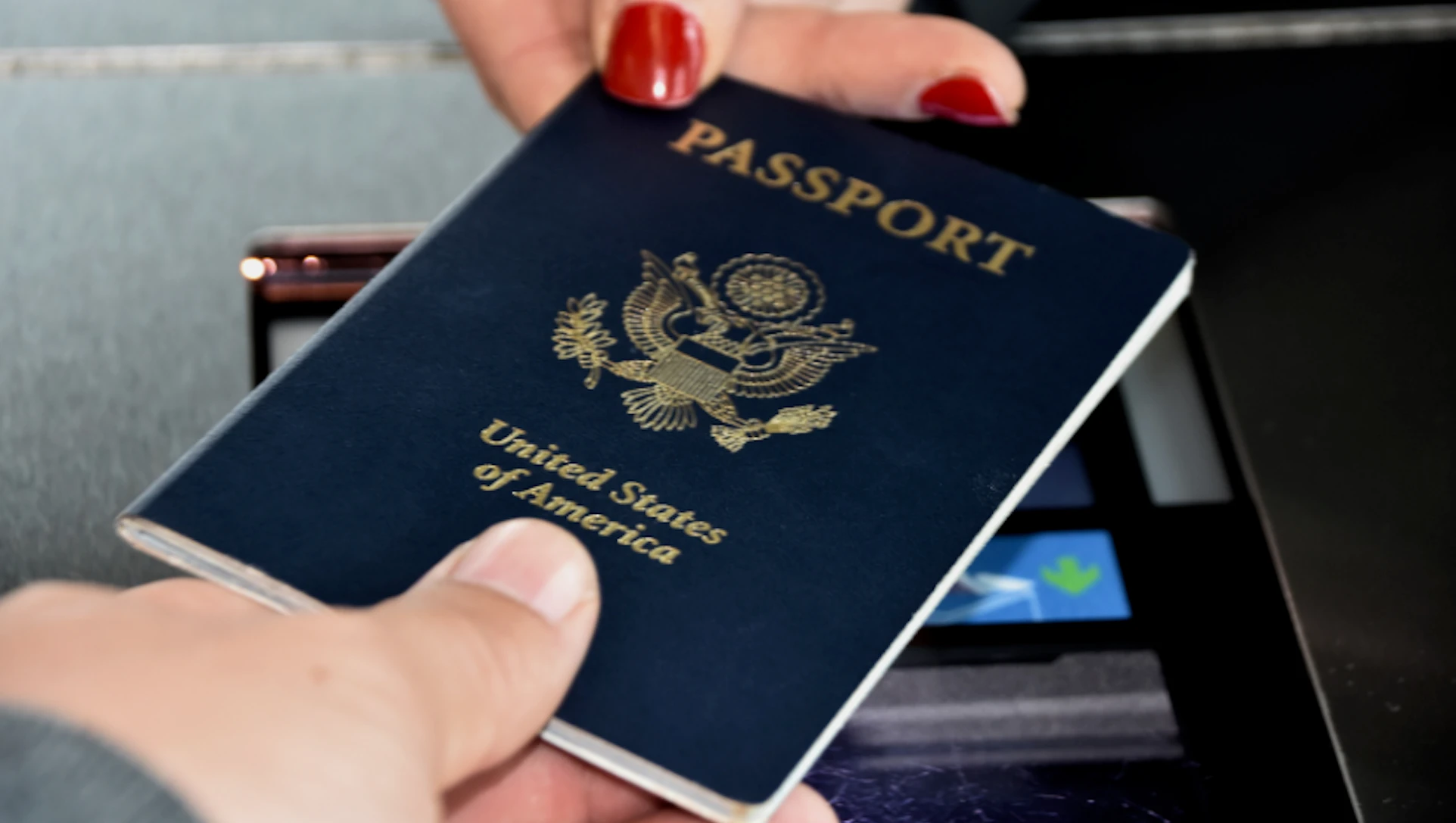
Biometric Passports: What Travelers Actually Need to Know
Sarah Pardi - April 22, 2026
Home > Travel Guide > Travel Requirements, Policy & Authorization > Biometric Passports: What Travelers Actually Need to Know
Share this post
Anyone who has traveled internationally knows the deal: passports are required.
While passports are a no-brainer to us now, they're a relatively new invention when it comes to their current form and how they work.
Countries around the world are modifying their entry requirements - new entry processes, travel insurance requirements, ETIAS, and more. Though this is normal, when policies evolve and change over time, it can feel confusing, especially for those who don't travel frequently.
The biometric passport (or e-passport) is another one of those changes that have come about in the last few decades.
What is a biometric passport?
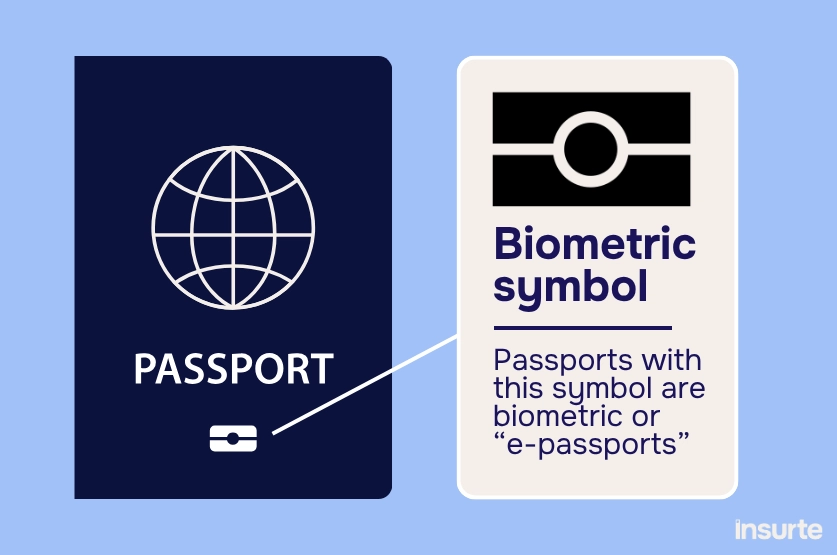
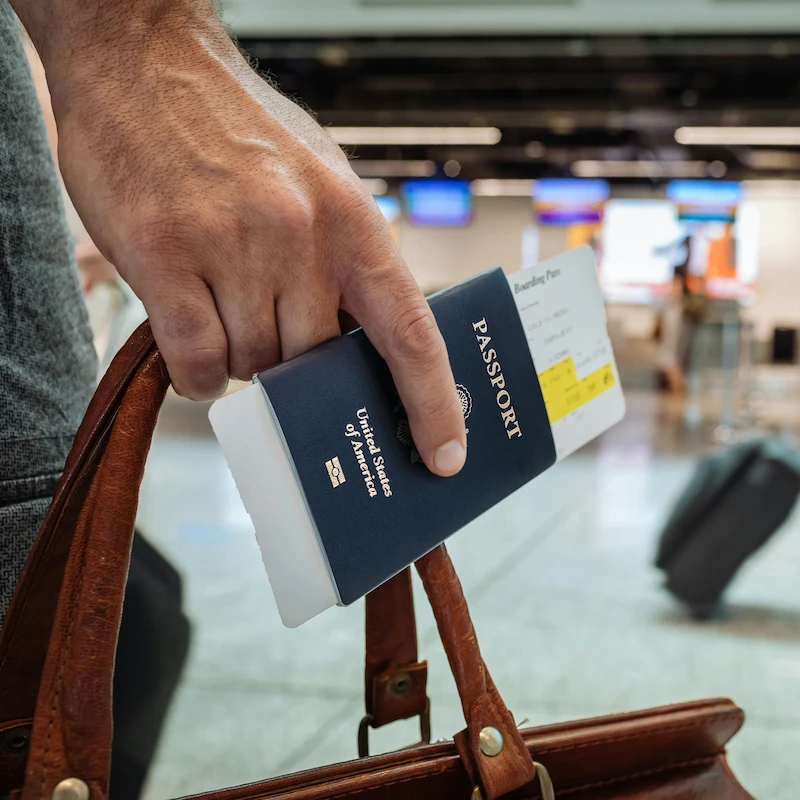
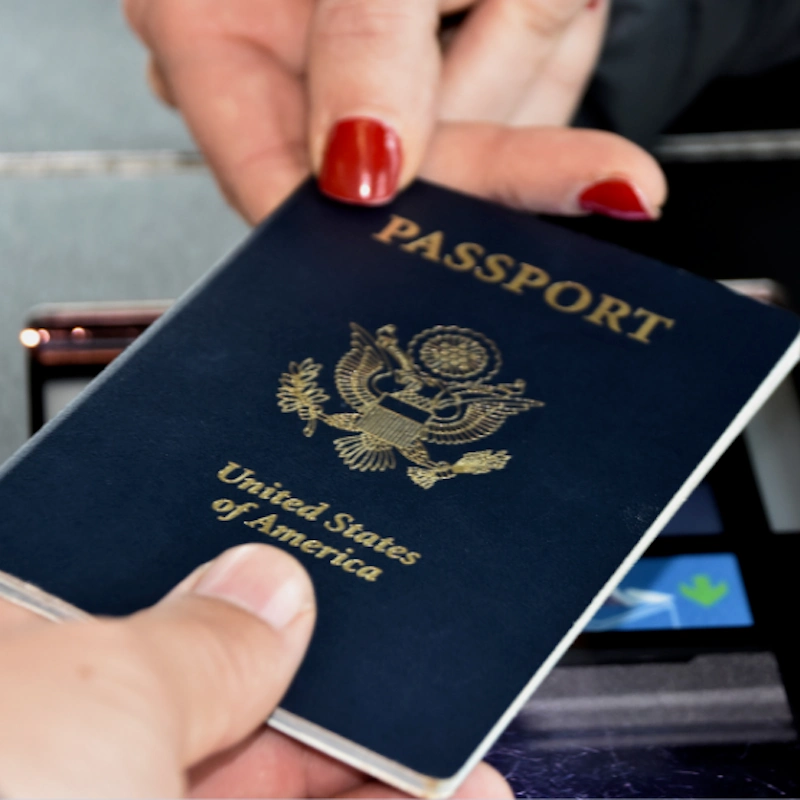
A biometric passport looks just like a "regular" passport, but it has a small digital chip located inside of it (typically in its back cover). This digital chip contains your travel information, including your first and last name and passport number.
While it's sometimes referred to as an e-passport (the US uses this terminology a lot), it's considered a biometric passport because it also holds information about your external characteristics, like your fingerprints, and a photograph of you. Both are used for identification purposes.
In the early 2000s, the European Union introduced the concept of the biometric passport. Quickly, it was adopted by the International Civil Aviation Organization (ICAO), an agency of the United Nations that helps countries worldwide cooperate to share the skies.
Today, biometric passports are relatively standard. Depending on when you last renewed your passport (or when you received your first passport), you may already have one.
Today, most countries issue biometric passports. If they don't, they're typically in the process of making this change to comply with ICAO standards.
What biometric passports are used for
Biometric passports are just an enhanced, more technological version of the passport we already know and use. Many travelers don't even notice a difference between the two, unless they are aware of the change.
The European Union and ICAO chose to encourage biometric passports for several reasons, and they're all tied to security.
Biometric passports improve identity verification at the borders, helping to make sure that you are the person you say you are, and that your passport photo matches your identity. This helps to reduce passport fraud and forgery.
Arguably, one of the biggest features of the biometric passport is that it enables a new wave of technological border procedures. With scanning capabilities, airports and other borders around the world can more easily streamline their entry and exit processes. In fact, we've seen this with the Entry/Exit System that the EU launched, often just shortened to EES.
Because the passport is scannable and the traveler's data can be read, countries can choose to change, upgrade, or even entirely overhaul their border processes.
It begs the question as to whether or not we'll see more countries and/or regions make blanket changes to their entry procedures.
Biometric passport data
As mentioned above, biometric passports contain information about you for identification purposes.
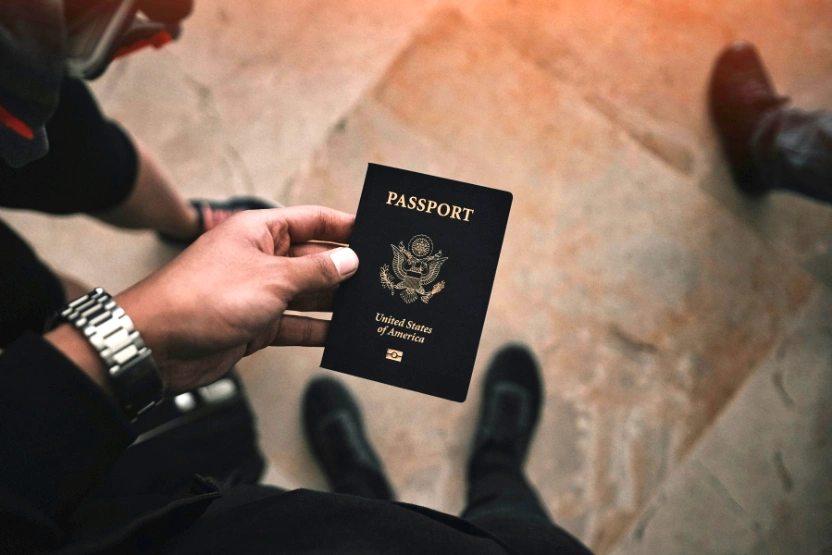
According to the US Government, e-passports issued by the United States hold the following data:
- Full name.
- Date of birth.
- Other biographical information (the US doesn't explicitly detail what information this is).
- Biometric identifier.
- Photograph of the passport-holder
This is in line with ICAO's explicit standards. According to ICAO, biometric passports have to include, at a minimum, a readable chip, a digital photograph of the passport holder, and basic passport details like name and passport number.
Countries do have some flexibility around the data their biometric passports can hold. For instance, the UK's biometric passport holds eye color (iris), even though it isn't used for any immigration purposes currently.
According to the US government, passports from visa-waiver countries (those whose citizens don't require a visa to visit the US) contain security features to prevent unauthorized readings of this passport information.
How to get a biometric passport
You do not need to do anything special or different to get a biometric passport.
Once biometric passports are readily available in your country of citizenship, you'll be issued one upon renewal, or if it's your first passport.
EU countries, the UK, Canada, the US, and many other countries all issue biometric passports. According to Signicat, a leading digital security provider in the EU, as of December 2025, 180 countries issue biometric passports.
If you haven't renewed your passport in a while or aren't sure if you have a biometric passport, it's ok. While their use is widespread, "older" passports are still accepted globally, so long as the issuing country abides by ICAO standards.
Just make sure that your passport meets the entry requirements for your destination if you have a trip coming up. For instance, countries like France and Spain have specific passport requirements. There are also passport requirements for visa applicants. Schengen visa applicants' passports must meet several criteria.
What else you need to know
Follow local instructions
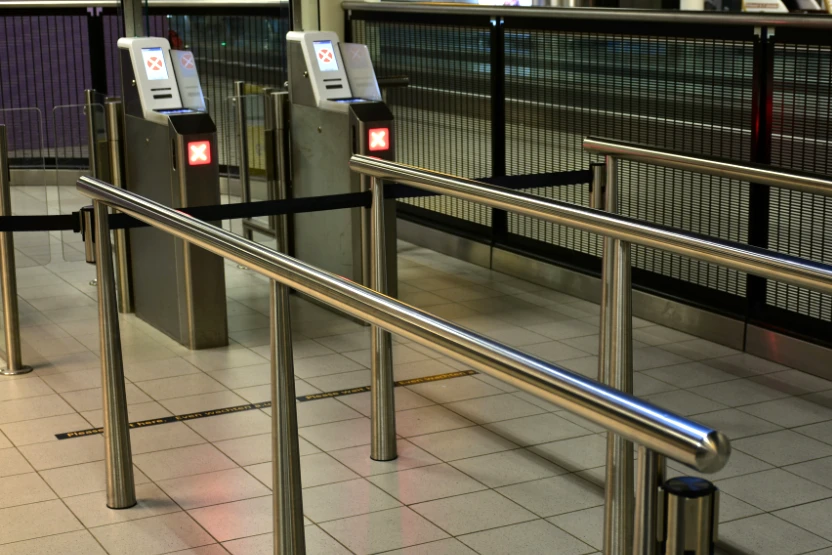
Different countries have different migration procedures. Some may scan your passports, others may not. Sometimes, you may be required to scan your own passport.
Regardless of what the on-the-ground method is, make sure you follow the guidance and instructions of local authorities, and just keep in mind that entry requirements and procedures vary worldwide.
The chip is physical
While it isn't obvious out of the gate, the chip in your passport is a physical chip. This means that it technically is capable of breaking. Physical wear, water, bending the passport to excess, etc., can all affect the chip.
While you don't need to treat your biometric passport as fragile, you should just bear in mind that it does contain a physical chip, so treat it with care. After all, it is your gateway to the rest of the world.
Biometric passport FAQs
 Sources & references
- Internal Expertise & Review
- For more than 15 years, Insurte has been helping travelers feel more confident during their travels. We're a global travel insurance company that also provides helpful, relevant resources and guides for travelers around the globe. Our in-house team of Schengen visa insurance experts is dedicated to providing accurate, up-to-date information on passports and entry requirements.
- Information on Biometric Passports (E-Passports):
- Canadian E-Passports : Information on Canadian biometric passports from the Canadian Government.
- British Biometric Passports : Details on what data British biometric passports hold
- Doc 9303 : Legalese and technical information on biometric passports from ICAO
- Regulation 2252/2004 : Regulation for biometric passports from the European Union
- E-Passport Launch and Timelines:
- E-Passport Rollout (US) : Announcement on the launch of e-passports in the US
- Countries with E-passports : Which countries issue biometric passports, according to Signicat
- Passport History:
- History of Passports : The history of passports from the Migration Policy Institute
- Passport History (UK) : Historical information on British passports from the UK Government
- Written by:
- Sarah Pardi - Staff Travel Advisor
- Fact-check and reviewed by:
- Clément Goubon
- Last updated:
- April 22, 2026
Learn more about our editorial standards and review process in our Editorial Policy.
Related posts



Upcoming travels ? Get Insured !
Find the right insurance for your trip by using our powerful comparison tool!