

Yes, Some European Destinations Have Dress Codes
Sarah Pardi - October 1, 2026
Home > Travel Guide > Travel Requirements, Policy & Authorization > Yes, Some European Destinations Have Dress Codes
Share this post
From airplane tickets and European travel insurance to accommodation and activities, there's a lot to think about before you head abroad.
Out of all of the different to-do items, one that takes up a surprising amount of forethought is what exactly you're going to pack.
While this is often helped by knowing your destination's climate, what activities you're going to be doing, and the time of year, there's one thing that you may not have thought to consider.
Some European attractions and cities have dress codes or guidelines.
Depending on where you are traveling to and what exactly you're planning to see and do, you may need to double-check what's in your suitcase.
The dress code in Europe
Europe itself doesn't have a dress code, but certain cities and places can.
Some tourists think a lot about what to wear on their vacation, whether it's to make sure the photos last a lifetime or to ensure they're complying with local social etiquette.
While you don't have to worry about dressing "a certain way" when you travel to Europe, you should know that there are specific locations where there are dress codes in place.
Heading to Europe?
Make sure you have your travel insurance secured!
European cities with dress codes
There are several cities in European countries that have a dress code of some sort.
It's important that you take a look at this list carefully. Just because a city is on the list does not mean that the regulation applies to the entire city. It may only apply to a specific area or neighborhood.
Barcelona, Spain
Barcelona doesn't allow nudity or semi-nudity (including swimsuits or "similar minimum clothing") unless you are on the beach or at a swimming pool (or in close proximity to the two).
This means that you can't spend the day at the beach, then immediately go to the old city center in your swimsuit top or swim trunks, no matter how hot it is that day.
According to the Spanish government, you may receive an official warning or even a minor legal infraction if the breach continues.
Palma de Mallorca, Spain
Palma de Mallorca doesn't allow anyone to walk around in swimwear or shirtless outside of beaches, pools, or authorized areas.
If you're planning to swim and then go on a long walk, make sure you have the appropriate swimsuit cover-up, t-shirt, or outfit to change into beforehand.
Albufeira, Portugal
If you're heading to Albufeira, make sure that you aren't wandering outside of beaches/hotel precincts in swimwear or with a bare torso.
While, of course, swimwear is allowed where you will be swimming, walking around in it in urban areas is not allowed, and you can be subject to a fine.
Narbonne, France
Make sure that you have the appropriate swimsuit cover-up or a change of clothes if you're going to be going back and forth from the beach to town in Narbonne.
You cannot be shirtless or in swimwear around town, only at the beach.
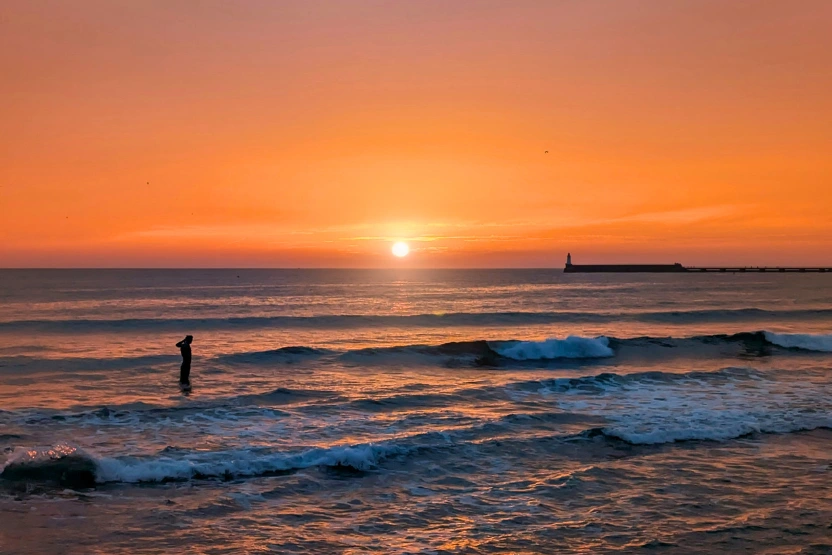
Les Sables-d'Olonne, France
Local guidelines state that beach-goers must have "correcte et décente" swimwear/swimming attire. This essentially translates to proper and decent swimwear.
In addition to proper swimwear, note that Les Sables-d'Olonne also doesn't allow you to walk around town in your bathing suit.
Split, Croatia
According to the official tourism website of Croatia, Split has a strict dress code in its "Decency Zone".
In the historic city center, you are forbidden from wearing swimwear/underwear only. In fact, if you're seen doing this, you can be fined on the spot.
Blankenberge, Belgium
In Blankenberge, you're not allowed to wear swimsuits or be shirtless in the city center or shopping areas outside of designated beach zones.
If caught doing so, you could be fined.
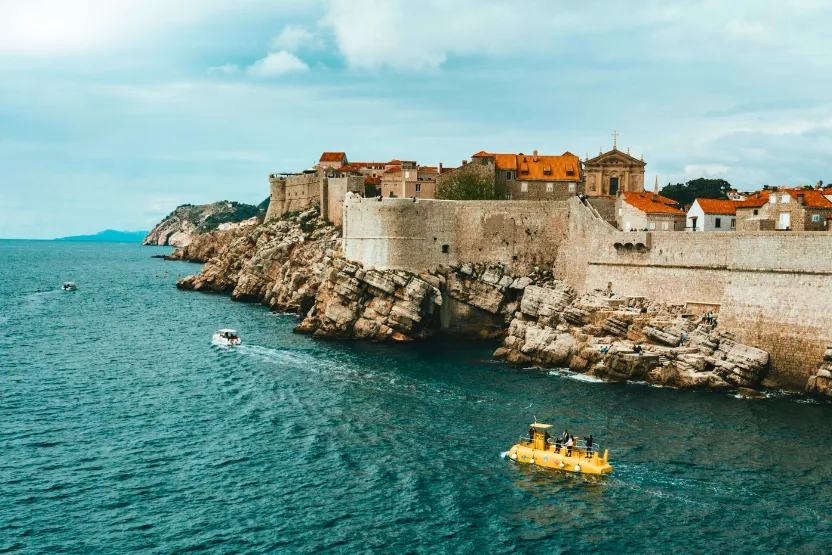
Dubrovnik, Croatia
Walking around in swimwear or shirtless is prohibited in Dubrovnik's historic old town, which is a UNESCO World Heritage Site.
Their official tourism office reminds travelers to "cover up" when not directly entering/or already on the beach.
Sorrento, Italy
If you're not at the beach or on a designated path going to or from the beach, you'll need to make sure that you're covered up.
Like the other cities on the list, walking around town in a swimsuit or shirtless isn't allowed.
Other cities with similar guidelines
- Salou, Spain
- Málaga, Spain
- Alicante, Spain
In general, always check the official tourism website for your destination to check if there are any rules about swimwear, particularly if you're vacationing in a coastal town.
European sites that have dress codes
In addition to some cities having dress codes, there are specific sites in Europe that require travelers and residents alike to abide by specific guidelines.
Dress codes are typically instilled by religious sites, so if you're planning to visit churches, sacred grounds, or other religious compounds, it's best practice to check any guidelines before you visit.
Keep in mind that this is not an exhaustive list. If you're ever uncertain about dress codes and what to wear, always check an official website, whether that's a government source, the city or country's official tourism board, or the attraction's official website.
The Vatican
The Vatican has strict guidelines about what you can and cannot wear, whether you're heading to St. Peter's Basilica, the Sistine Chapel, or simply a museum in the city.
According to the official Basilica website, your shoulders and knees must be covered when inside St. Peter's Basilica, regardless of gender.
If you're visiting a museum in Vatican City, you also must cover your shoulders and knees. This means that tank tops, shorts, and skirts are not allowed (unless the latter cover your knees).
Also, keep in mind that hats are not allowed in Catholic cathedrals.
Sagrada Familia, Spain
The Sagrada Familia, perhaps the most famous cathedral in all of Barcelona, has a dress code that its visitors must follow.
In order to enter, visitors cannot wear short skirts or short shorts. Clothing must not be see-through (such as swimwear cover-ups or "festival" clothing). In addition to that, hats are not allowed, nor is swimwear.
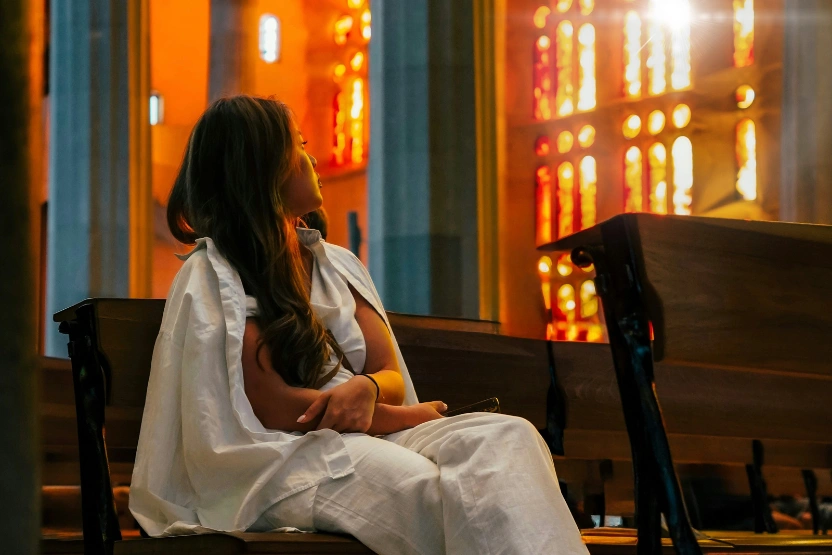
The Milan Cathedral (Duomo di Milano)
If you're heading to Duomo di Milano, one of Milan's most beautiful and sacred attractions, you need to make sure that you dress appropriately.
This means that you cannot wear sleeveless or low-cut tops (regardless of gender), short shorts, mini-skirts, or hats.
Other Italian Cathedrals
Italian cathedrals typically require similar dress codes, so always check the official cathedral site before traveling to make sure you have the right outfit ready.
Notre Dame de Paris
Notre Dame is famous around the world, and if you're one of the lucky ones to visit, you need to make sure that you're considering their recommendations.
The Notre Dame official website asks that visitors wear respectful attire. They recommend that you cover your shoulders, torso, and thighs when inside the Cathedral.
Westminster Abbey
While the rules aren't explicit, visitors to London's Westminster Abbey are asked to show "respect and sensitivity".
The Hungarian Parliament
If you're traveling to Budapest and want to pop into the Parliament, there are a few things you'll need to consider.
While not a religious site, the Parliament requires all visitors to "dress appropriately". On top of that, offensive symbols are not permitted.
Meteora Monasteries
If you're heading to Greece's Meteora Monasteries, you'll need to dress appropriately, and their guidelines are specific.
If you're a man, you cannot wear shorts, bermudas, or sleeveless tops. If you're a woman, you cannot wear pants, shorts, or sleeveless tops.
These rules are according to their official website.
Other Greek Orthodox Monasteries
Make sure you check the guidelines before heading into a Greek Orthodox Monastery. In general, they require modest, if not traditionally conservative, dress.
 Sources & references
- Internal Expertise & Review
- Our team of European travel experts creates and monitors helpful guides for anyone and everyone heading to Europe. For nearly two decades, our team of passionate travelers has been dedicated to helping travelers feel more confident when they travel abroad.
- Dress-Code Guidance and Regulation:
- Notre Dame Dress Code : Expected behavior inside of the cathedral, including attire
- Sagrada Familia Dress Code : Temple dress code and other pertinent visitor information
- Vatican City Dress Code : How to dress when visiting Vatican City
- Split's Decency Zone : Information about Split's Decency Zone in their Historic City Center
- Barcelona Attire Regulations : Regulatory text around Barcelona's dress code zones
- Written by:
- Sarah Pardi - Staff Travel Advisor
- Fact-check and reviewed by:
- Clément Goubon
- Last updated:
- October 1, 2026
Learn more about our editorial standards and review process in our Editorial Policy.
Related posts



Upcoming travels ? Get Insured !
Find the right insurance for your trip by using our powerful comparison tool!
Sarah Pardi - October 23, 2026