
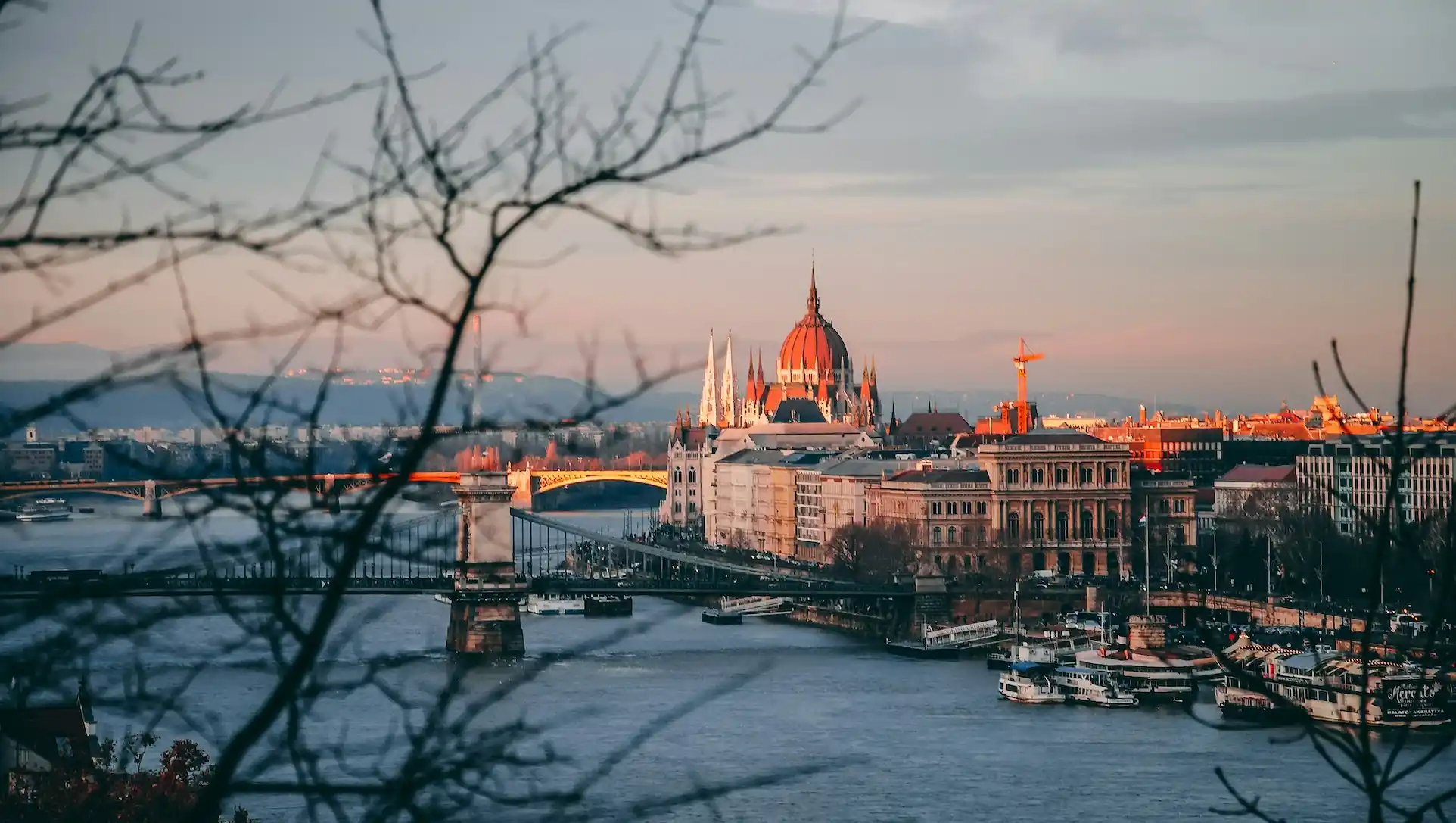
Home > Travel Guide > Travel Ideas & Inspiration > 19 Things to Do in Budapest in 2026
Share this post
Budapest is probably the most sought-after travel destination in Hungary.
It's a city with a really fascinating history, as it's a city created by two - Buda and Pest, which we will talk more about in a little bit.
There's the telltale architecture, historic centers, incredible churches and relics, and delicious local cuisine like Goulash.
If it's your first time traveling to Budapest, or you just need some more ideas of what to do, we have created this list of several must-sees, including some obvious choices, as well as some ideas that are a bit more off the beaten path.
Below, find a variety of activities and experiences that will make your trip to Hungary truly memorable.
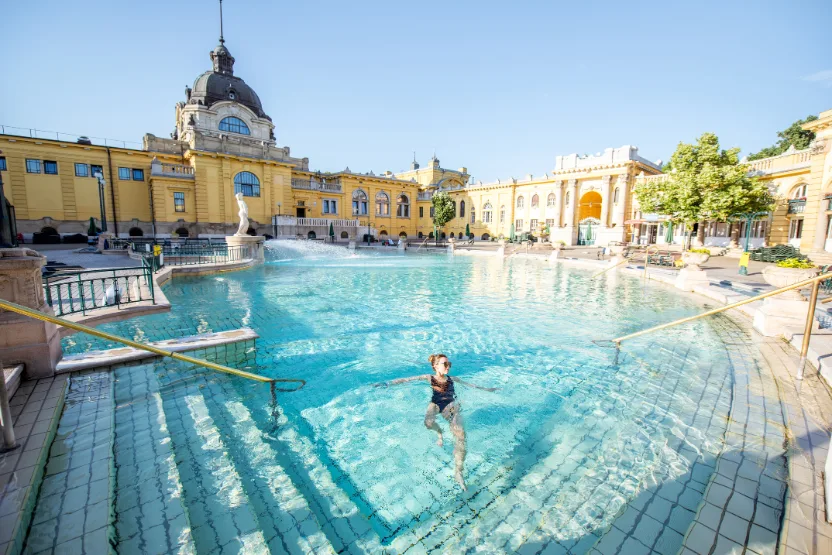
Budapest's Széchenyi Thermal Bath
Thermal baths are baked into Budapest's history. It isn't just an interesting attraction or tourist trap - these baths go way back in history (2000 years back, in fact).
Budapest has natural hot springs, and the Romans, then later the Ottomans, and now Hungarians enjoy naturally warm waters.
The most famous thermal bath in Budapest is the Széchenyi Thermal Bath. It's located in City Park, east of the river.
This one is the largest "medicinal bath" in all of Europe.
Working hours and tickets can both be found easily online.
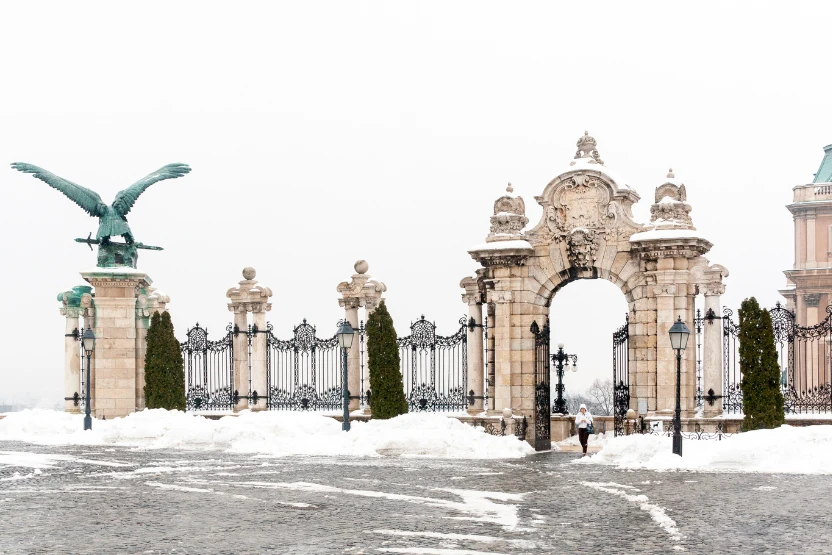
Buda Castle
Buda Castle is one, a must-see, and two, a UNESCO World Heritage Site.
The castle sits on top of Castle Hill (aptly named) and, today, it houses the Hungarian National Gallery and the Budapest History Museum.
Both of these museums give a lot of insight into Hungarian history, life, and culture. Plus, since it's literally a Castle annex, the views are hard to beat.
There are several tours available at Buda Castle, including Castle Cave tours, WWII tours, and even a Gothic vampire castle tour.
Options, including tickets and touring companies, can be found online.
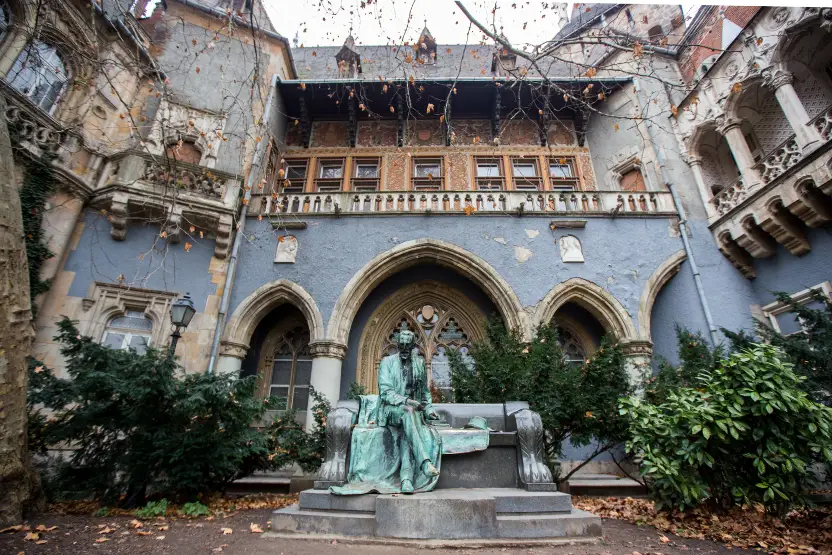
City Park, Budapest
Originally a private royal hunting ground, City Park is a green oasis filled with attractions like the Vajdahunyad Castle and Széchenyi Baths (mentioned above), all on the same compound.
The park itself is a perfect place for a leisurely stroll, paddle boating, or a picnic.
It's also said to be Europe's first ever public park, but keep in mind that a lot of parks seem to claim this.
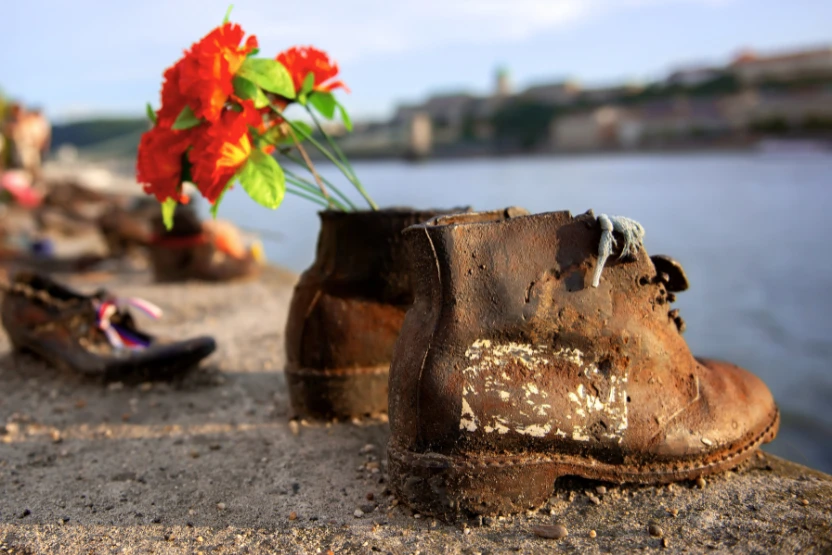
Shoes on the Danube
The Shoes on the Danube is a memorial that commemorates Jews who were tragically executed during World War II.
These bronze, handcrafted shoes line the riverbank and are a symbol of the victims forced to remove their footwear before being executed and falling into the Danube.
It's a very poignant message, and a way to pay homage to the millions of lives lost in the war.
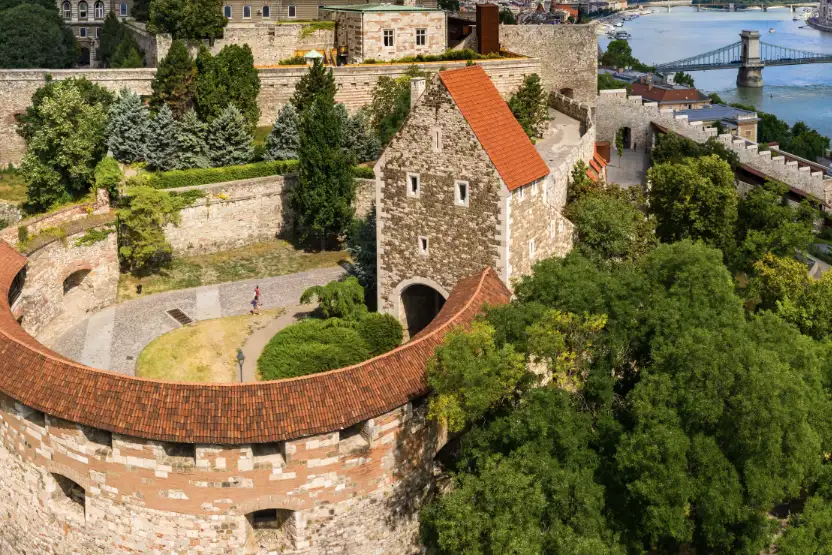
Hospital in the Rock
Hospital in the Rock is a museum underneath Buda Castle, and it's all about Budapest's history and role during both World War II and the Cold War.
Originally, it was a wartime hospital and nuclear bunker, but now it's an interactive museum where you can explore how life moved underground...
Tickets can be purchased online and tours are available.
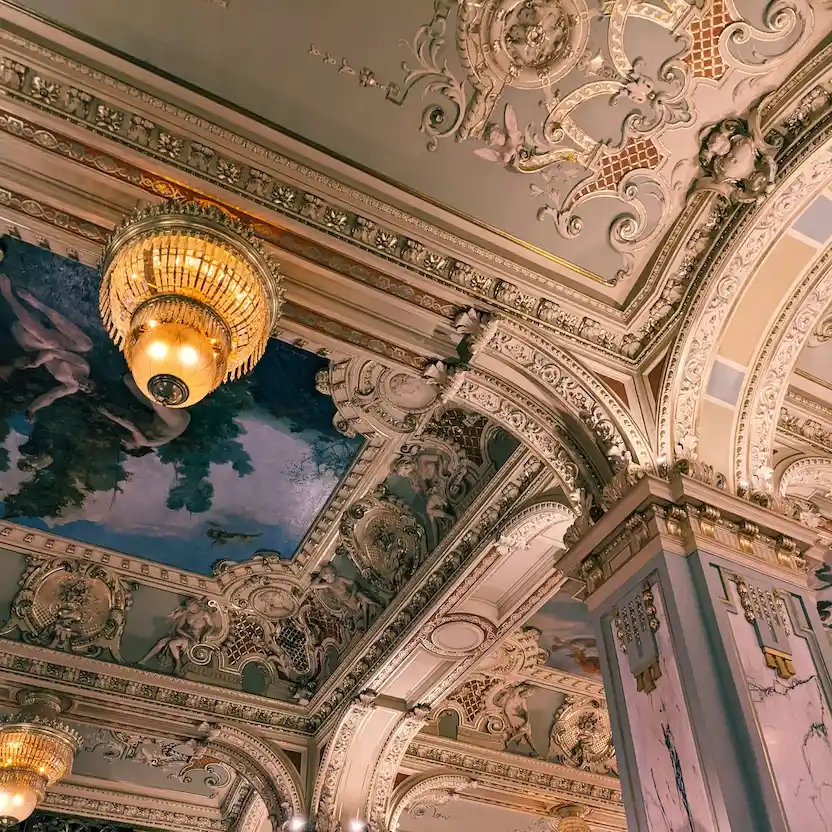
The New York Palace in Budapest
The New York Palace is part of the Anantara New York Palace Hotel, and it's a cafe designed to be luxurious.
The ceilings have elaborate frescoes, chandeliers, and the cafe serves gourmet coffee and pastries.
A full menu and restaurant hours can be found online, as well as booking information for the hotel itself.
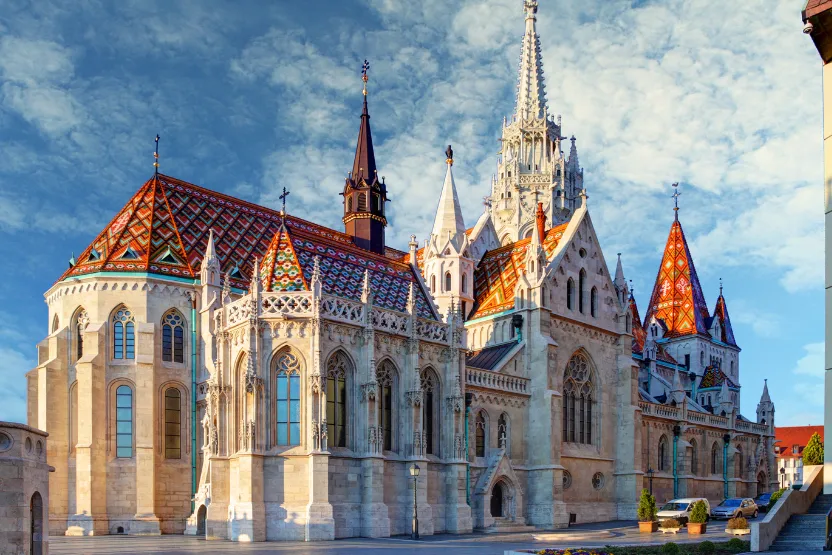
Matthias Church
Mattias Church is famous for its colorful tiled roof and ornate Gothic details. So much so that it has become a bit of a symbol of Budapest.
Located near Fisherman’s Bastion (which we will talk about later in a few), it has witnessed coronations, wars, and celebrations, making it a must-visit landmark.
Matthias Church requires tickets to visit. They can be purchased online ahead of your visit.
Something tells us you're going to Budapest..." description=
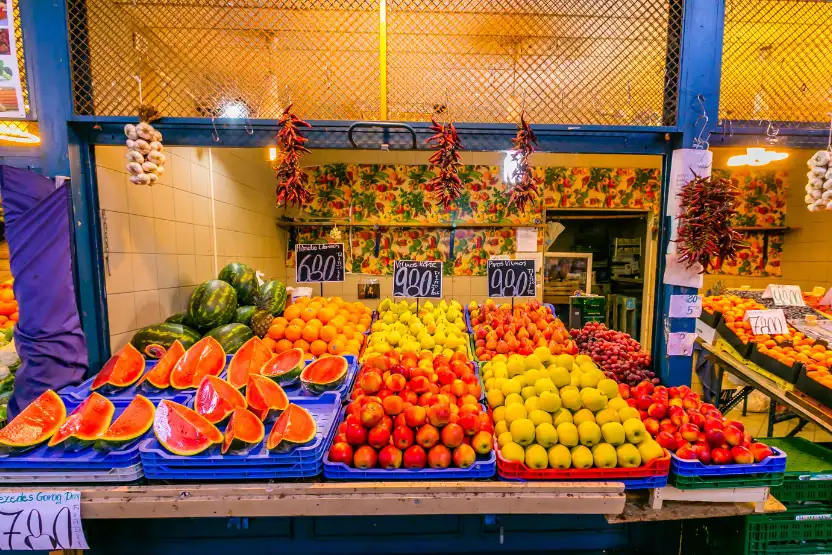
Budapest's Central Market Hall
Central Market Hall is the largest indoor market in Budapest, and it's full of pretty much any local food you can think of.
It's a great spot to try traditional Hungarian food like lángos, and pick up unique, handcrafted souvenirs.
You'll find both tourists and residents here, so it will give you an opportunity to feel a bit of what life in Budapest is like.
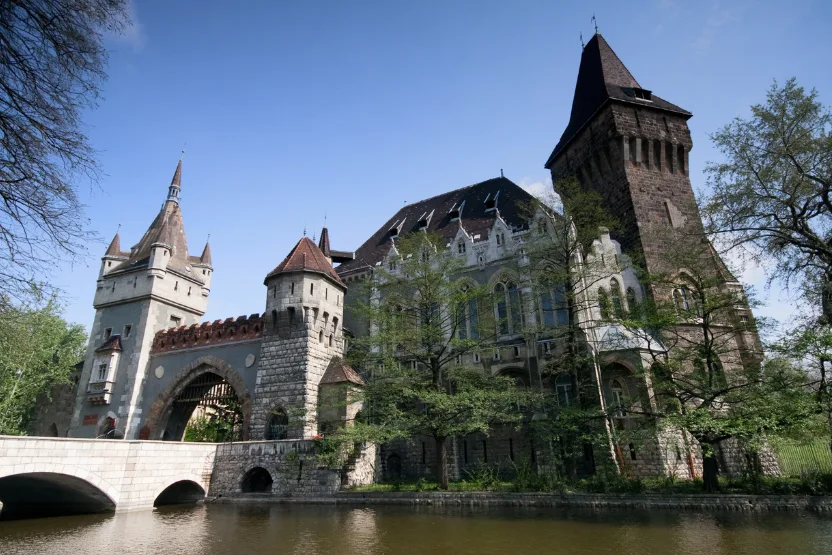
Vajdahunyad Castle
Also inside of City Park, Vajdahunyad Castle is an eclectic architectural feat combining styles from throughout Hungary’s history.
The castle was originally built for a millennium exhibition, but now is home to Hungary's Agricultural Museum.
Tickets can be purchased online.
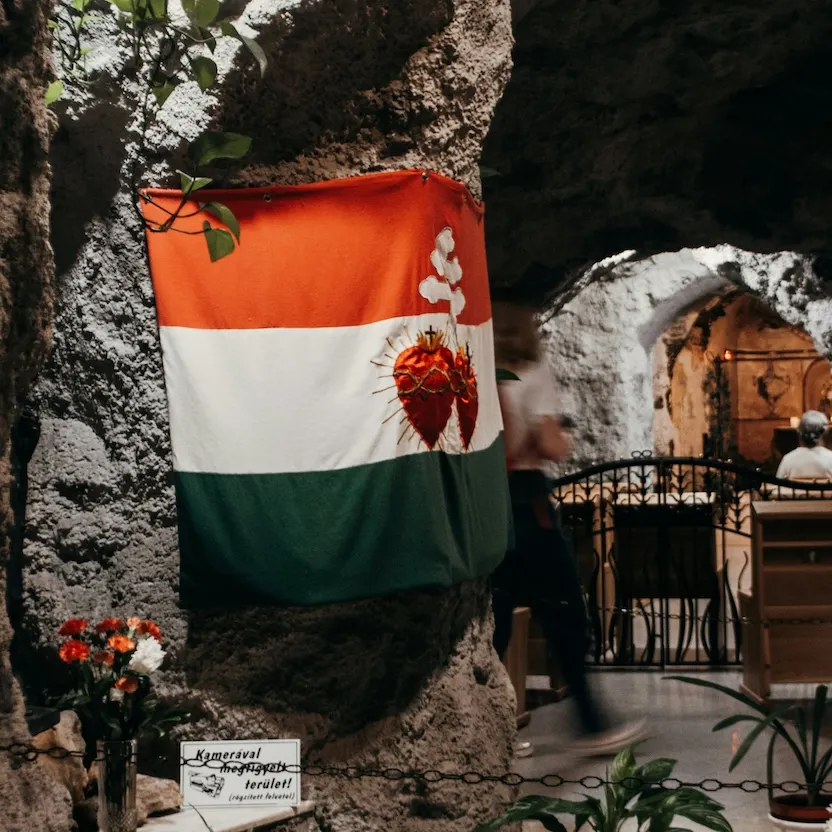
Visit a church inside of a cave
Gellért Hill Cave is one of the most unique chapels in the world. This is because it is literally carved into the hillside, meaning the church itself is inside a cave!
It's on the east side of the river, and the exterior looks like what it is - a church made of stone.
Tickets are required to visit and can be purchased onsite.
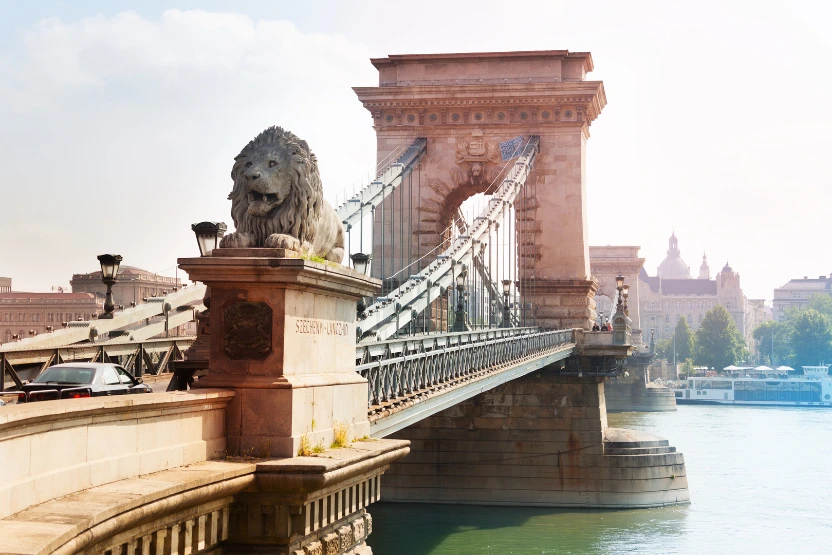
Walk from Buda to Pest
As mentioned at the beginning of the article, Budapest is the combined name of two neighboring cities, Buda and Pest.
Nowadays, the two are technically combined into one capital city. However, people still refer to each side of the river as Buda (on the eastern side) or Pest (on the west).
The Chain Bridge connects Buda and Pest - and it isn't just a functional structure, it's also a historic icon and symbol of the city (or, cities).
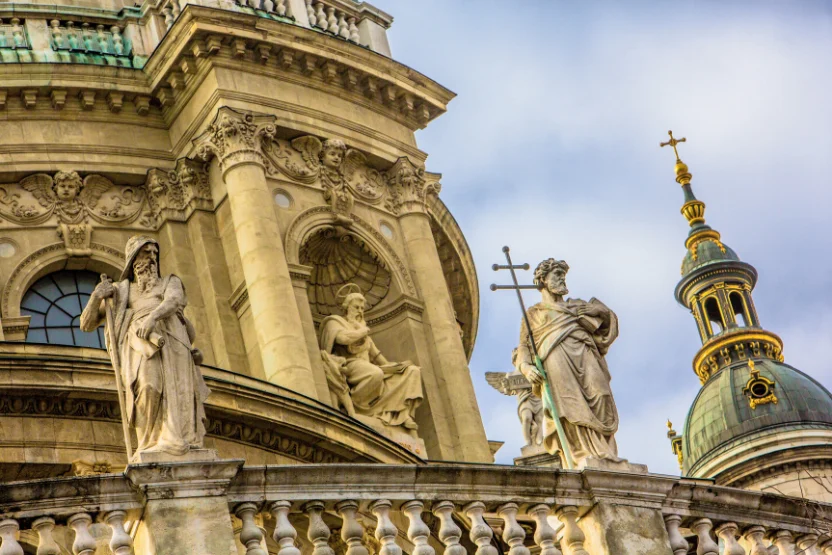
St. Stephen’s Basilica
St. Stephen’s Basilica is dedicated to Hungary’s first king, St. Stephen. Its stunning interior, panoramic views from the dome, and calendar of events make it a top attraction for visitors.
In fact, this 19th-century church is a UNESCO World Heritage Site Buffer Zone!
St. Stephen’s Basilica holds weekly organ concerts, and tickets can be found online.
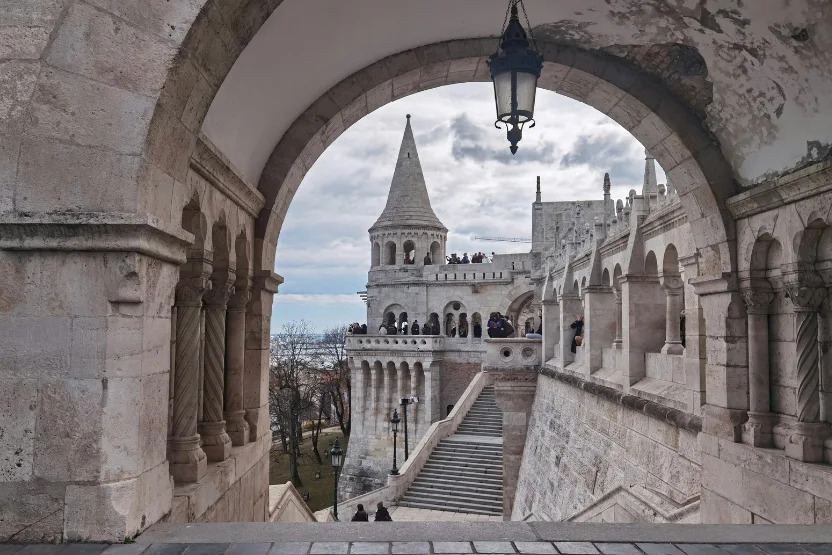
The Halászbástya (Fisherman's Bastion)
Fisherman’s Bastion is one of the top attractions in Budapest. It's a neo-Gothic terrace that sits high enough to give insane views of the Danube and Pest.
Its often compared to as a "fairytale experience" because its turrets and towers make it look straight out of a storybook.
The Halászbástya (its Hungarian name) is an architectural masterpiece that is part of the castle’s original walls. Now, Fisherman’s Bastion sees many visitors a year and has earned its (well-deserved) UNESCO World Heritage status.
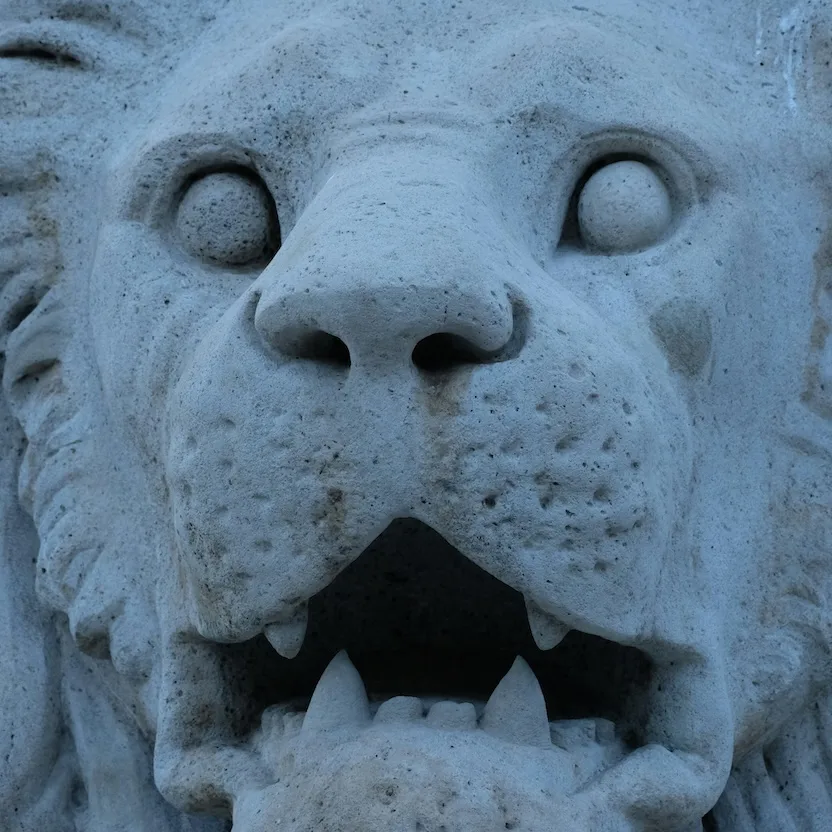
The House of Terror
Located on Andrássy Avenue, you'll find the House of Terror Museum
It is a haunting tribute to the victims of the fascist and communist regimes in Hungary, and its exhibits give a deep dive into the country’s tumultuous history.
Guided tours are offered in English, and tickets can be purchased online.
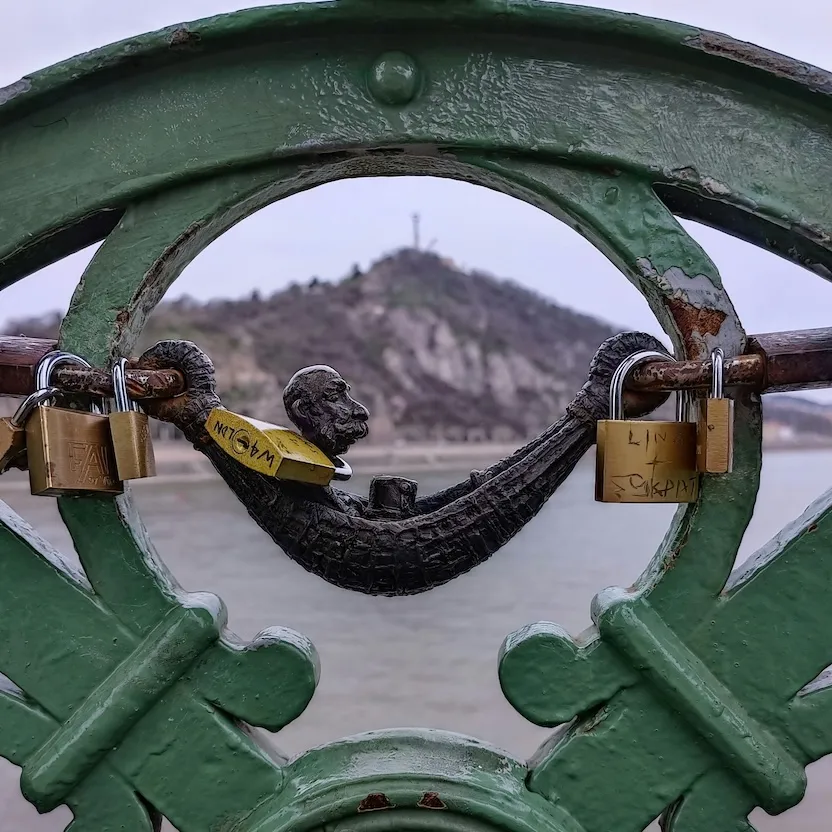
Spot the mini statues around the city
For something to do throughout your visit to Budapest, play a game of I-Spy.
Artist Mihály Kolodko has scattered bronze mini-statues across the city. From cartoon characters to historical figures, there are all kinds of little designs that you'll stumble upon if you're keeping an eye out.
Some of them are more conspicuous than others.
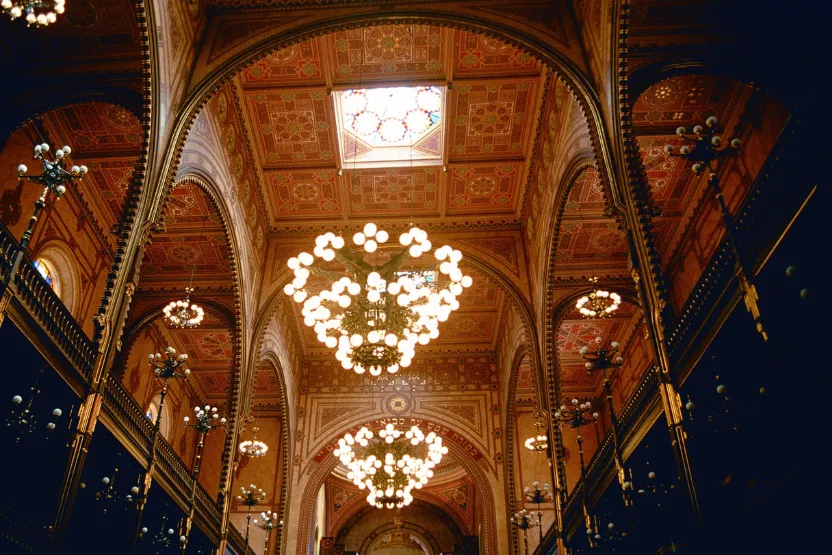
Dohány Street Synagogue
The Dohány Street Synagogue is the largest synagogue in Europe and a testament to Budapest’s Jewish heritage.
It can be a really profound experience for travelers, as there is a Holocaust Memorial in the garden
The synagogue offers walking tours, which can be found on its official website.
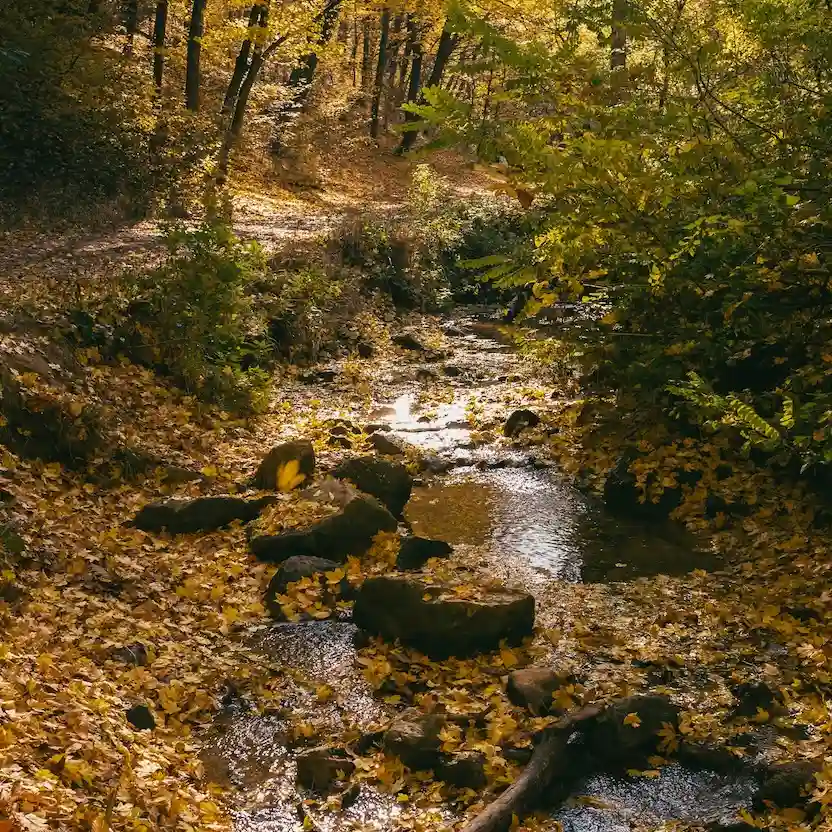
The Devil's Trench
Called Ördög-árok in Hungarian, The Devil’s Trench travels beneath parts of Budapest.
Back in the day, this was the city’s sewage system. Today, sometimes water flows, and sometimes it doesn’t... and it certainly isn't a sewage system anymore.
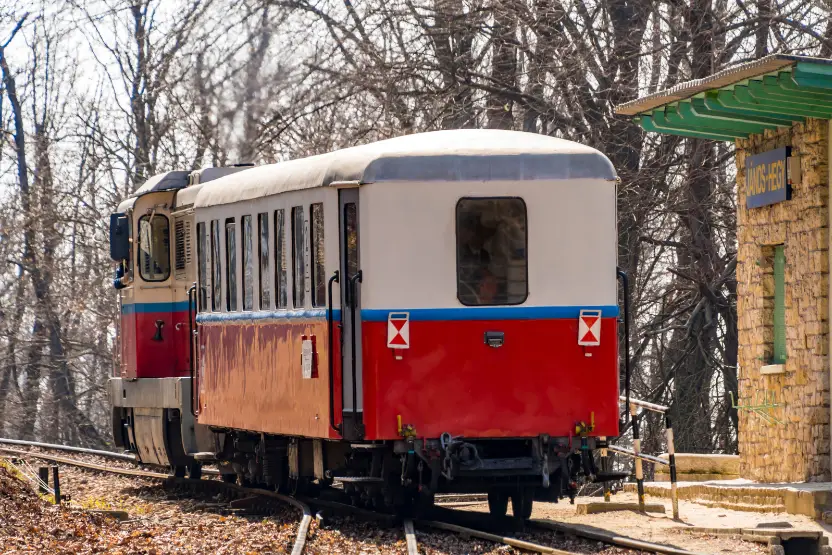
Budapest's children's train
The Gyermekvasút is a train that is operated by local children under adult supervision.
It's a narrow-gauge railway with small cars, and it runs on a course through the Buda Hills. It’s a unique experience that showcases Hungary’s love for trains and tradition.
Schedules and ticketing can be found online.
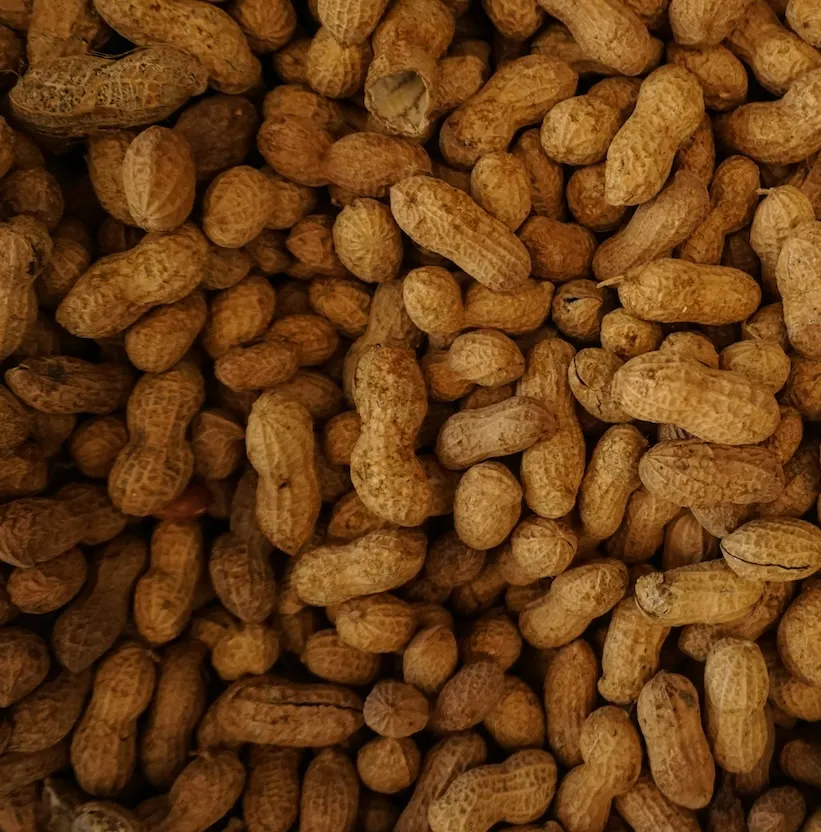
For Sale Pub
Decorated with handwritten notes, peanuts, and hay strewn across the floor, the For Sale Pub promises hearty portions of Hungarian food and drinks.
There are so many notes that the walls and ceiling are no longer visible. Still, guests are encouraged to leave a handwritten note during their visit.
You can grab a drink and read the notes from guests of yesteryear and leave a special message yourself.
Related posts

Upcoming travels ? Get Insured !
Find the right insurance for your trip by using our powerful comparison tool!