
Home > Travel Guide > Travel Ideas & Inspiration > The Best Things to do in Warsaw in 2026
Share this post
Warsaw is the biggest city in Poland, and its capital. If you're planning a trip there in the next year, there are plenty of things to do to prepare.
Apart from the standards like where you're going to go, stay, and your good old reliable travel insurance, you need to make sure you meet the Polish entry requirements. For instance, some travelers need a visa for Poland, while others might need ETIAS (especially at the end of 2026).
Once the more "administrative" parts of your prep have been checked off, you can finally focus on what usually excites travelers the most: what to do.
Warsaw is a large city, counting nearly 2 million inhabitants in the summer of 2024, which doesn't even take into consideration the outer metro areas.
We've put together a list of some of the best things to do, whether that's our personal favorites, crowd-favorites, or activities a bit more off the beaten path.
The Neon Sign Museum
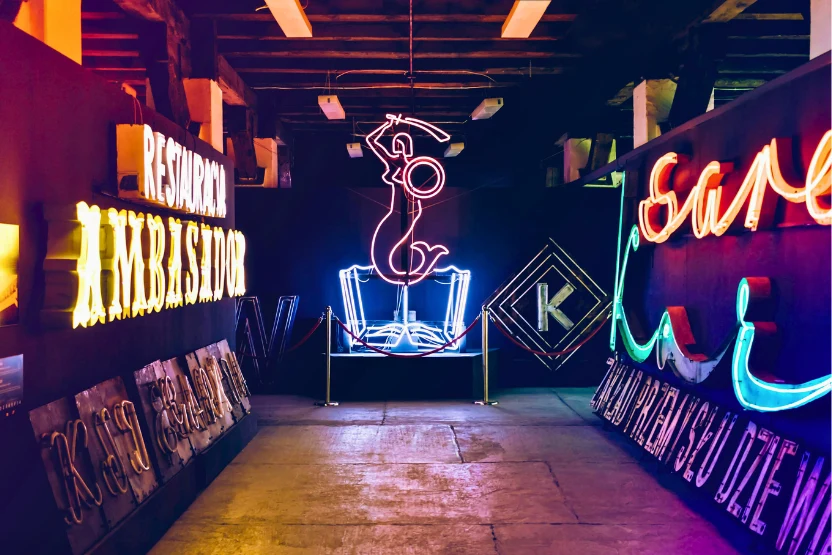
In Warsaw, you can see a collection of neon signs from the Cold War Era. In the 2000s, a bunch of old signs were set to be destroyed, which is where the concept of the museum came into fruition.
Today, it's a part of the Palace of Culture and Science, so you can do it as part of that entire experience, or focus on the neon signs. It just depends on what interests you.
Keep in mind that it is a pretty small museum, and it can get crowded, so weekdays can be a good time to check it out.
Street Art & Murals
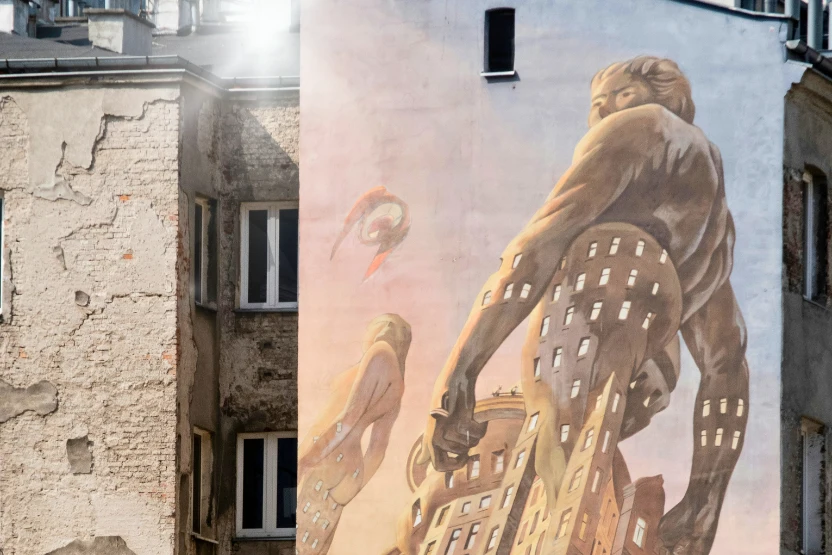
One thing you may not know about Warsaw is that it is chock-full of street art, incredible graffiti, and murals, especially on the East bank of the Vistula River.
One of the oldest neighborhoods in Warsaw is called Praga, and you can find a fair bit of street art there. This is also where you can find Ząbkowska Street, which is worth a walk down.
Pinball Station
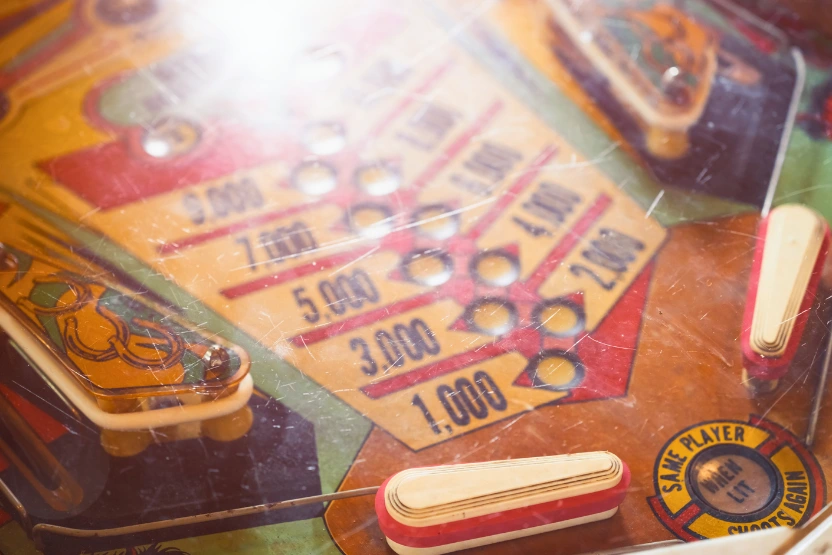
Pinball Station was created in 2016 as an interactive museum (after all, it's pinball machines!).
The Station holds over 100 restored pinball machines through the eras, as far back as the early 20th century.
Trip to Warsaw in your future?
Make sure you have the right coverage today!
This can be a popular place to hang out in the evenings, so if you're looking for a calmer experience (and don't really feel like waiting in line to play a round), you may want to visit during the daytime.
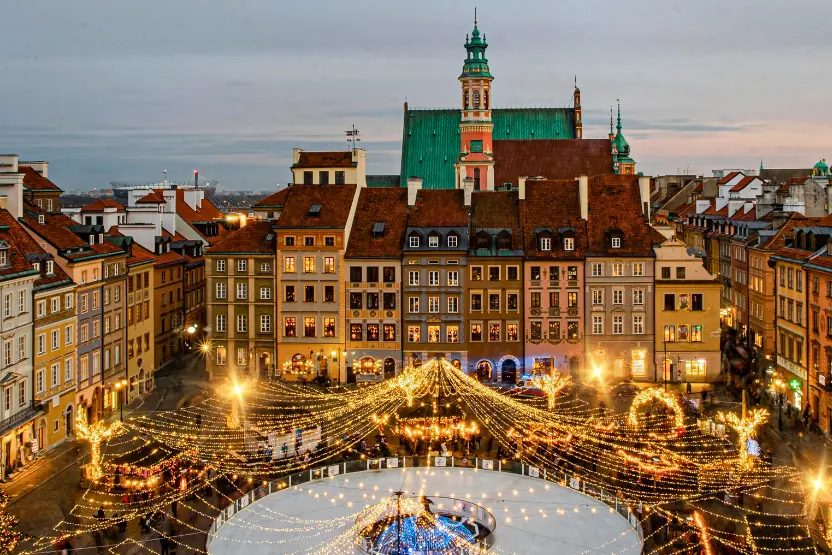
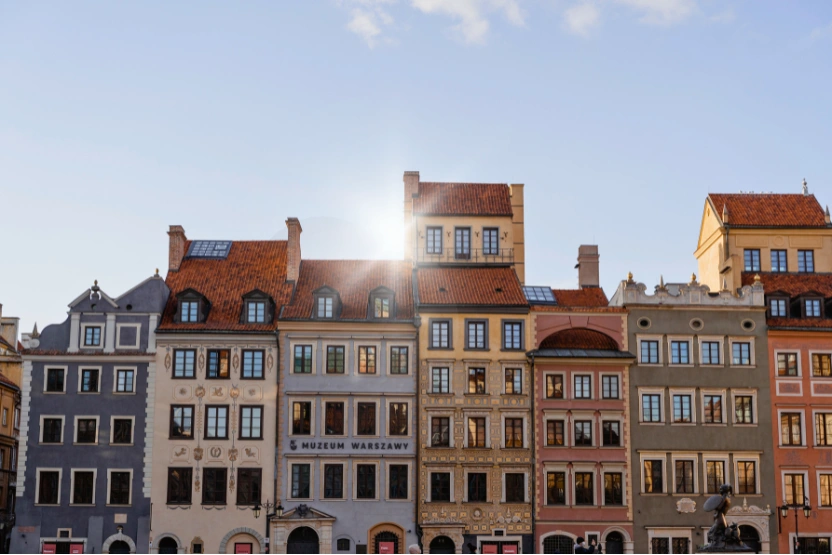
Old Town Warsaw and Castle Square
You'll see this suggestion on virtually every list you look at. It makes sense, though. Old Town and Castle Square are the heart of Warsaw.
Unfortunately, much of the area (much of Warsaw, on that note) was destroyed during WWII, but the Old Town was thoughtfully rebuilt.
It is now a UNESCO World Heritage Site with beautiful, colorful architecture and small streets.
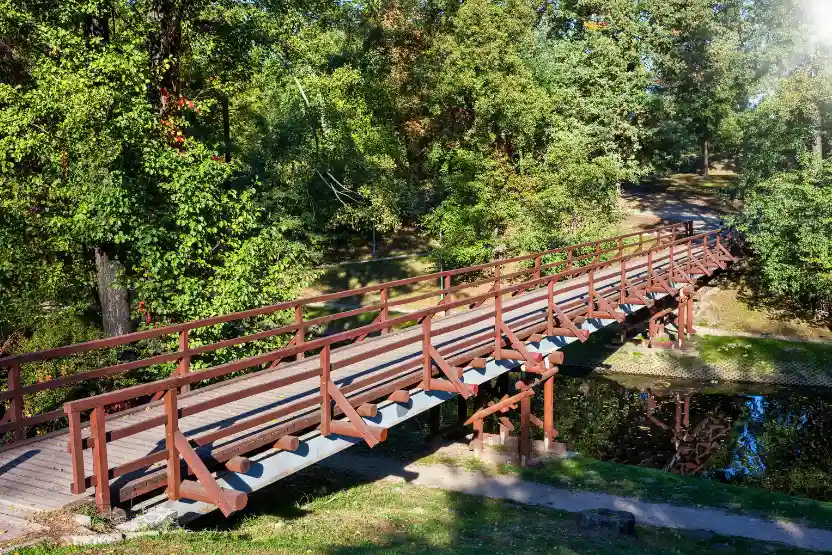
Warsaw's Fort Bema
Fort Bema is a public park that was built around a Russian fortification from the 1800s.
Today, it mostly looks like a relaxing park with plants, walking paths, and benches, but it's actually in a very historic location.
From 1886 to 1890, the Russian Empire built Warsaw Fortress. It didn't last long, though. By 1909, it was mostly demolished.
Now, there are some remnants of the fortress, and it has been renamed.
If you're heading to Warsaw and the weather allows, it's worth grabbing a coffee and walking through the park, or letting the kids run off some steam.

The Polin Museum
The Polin Museum is one of those places you never forget. It was created by dozens upon dozens of scholars, tracing Jewish life in Poland back over 1000 years.
It has historical items, cultural ones, and a ton of information to give you context and understanding.
The museum also has information and items from the Holocaust.
One thing to know before you visit, the Polin Museum is massive. Many visitors end up spending several hours there, so make sure you have your walking shoes, and you eat something beforehand!
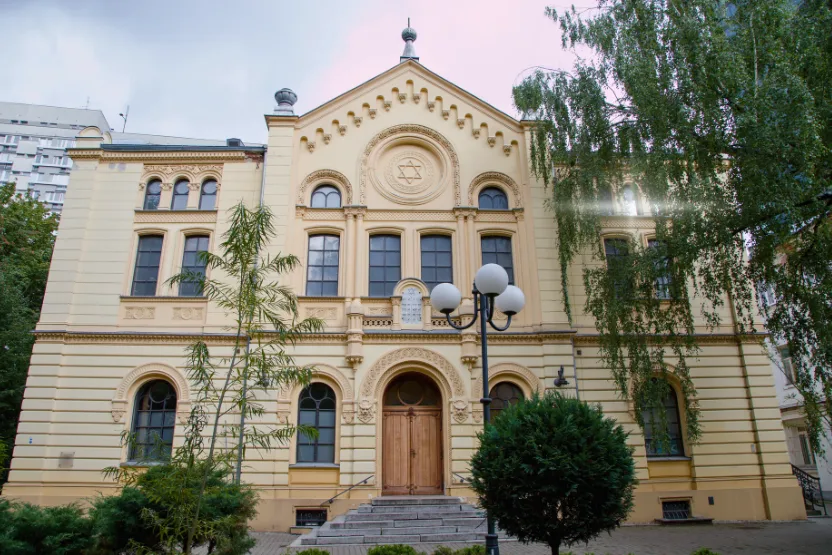
The Nożyk Synagogue
This is the only Synagogue that is both still standing and in active use that pre-dates WWII. That alone makes it worth a visit.
First built in 1902, the Synagogue was taken over and desecrated during the 2nd World War. It took several years to rebuild it, but it finally opened back up in 1983.
Nożyk Synagogue is an important religious and community space for the local Jewish population.
Make sure you check online beforehand if you want to see inside of the synagogue. There may be special events or services.
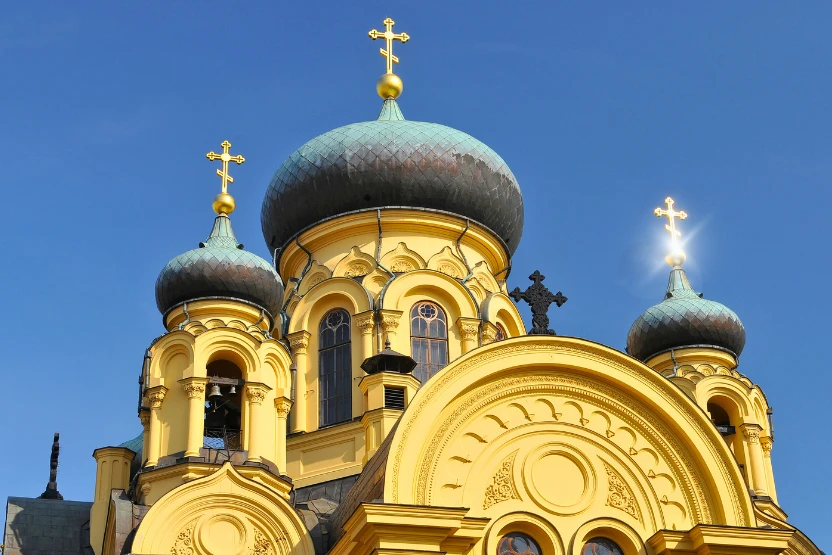
St. Mary's Cathedral
Short for the Church of Visitation of the Blessed Virgin Mary, St. Mary's is one of the oldest churches in Warsaw. Construction began in 1409.
Like many places in Warsaw, St. Mary's suffered extreme damage during World War II, so it had to be rebuilt.
It's worth stopping by to look at the architecture alone.
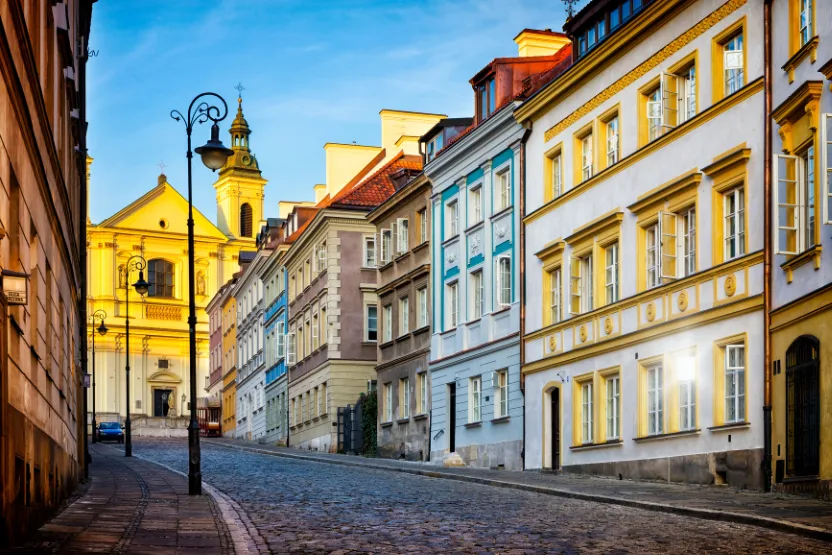
Freta Street
One of Warsaw's most historic (and beautiful!) streets, Freta Street has beautiful buildings, cobblestone, little shops and cafés - pretty much everything travelers would want to see.
If you like experiencing the "vibe" of a city when you visit, this is a good way to do it. Old Town Warsaw can get extremely busy and crowded (still, it's a must). Freta has a similar feeling (architecturally speaking), but is usually less crowded.

Polish milk bars
One of the best things about Poland is its incredible food.
Bar Mleczny is a traditional Polish eatery where you can find inexpensive, delicious Polish food.
There are several locations, and they date back to Poland's Communist era (late 1800s).
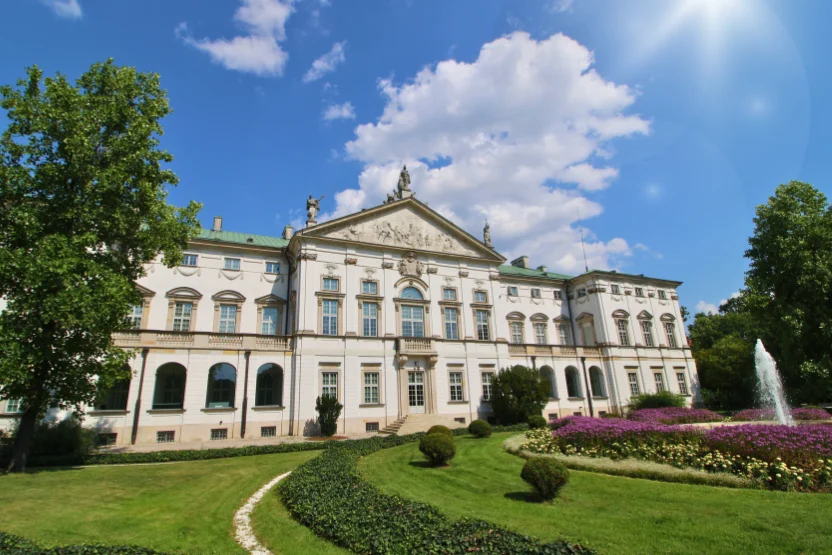
Krasínski Garden
This garden has beautiful landscaping, sculptures, fountains, and walking paths, and is near Warsaw's New Town.
It dates back to 1676, though it was redesigned later on to look more like an English garden, and then expanded upon after WWII.
While it isn't the largest park in Warsaw (though it used to be, many moons ago), it is one of the prettiest.
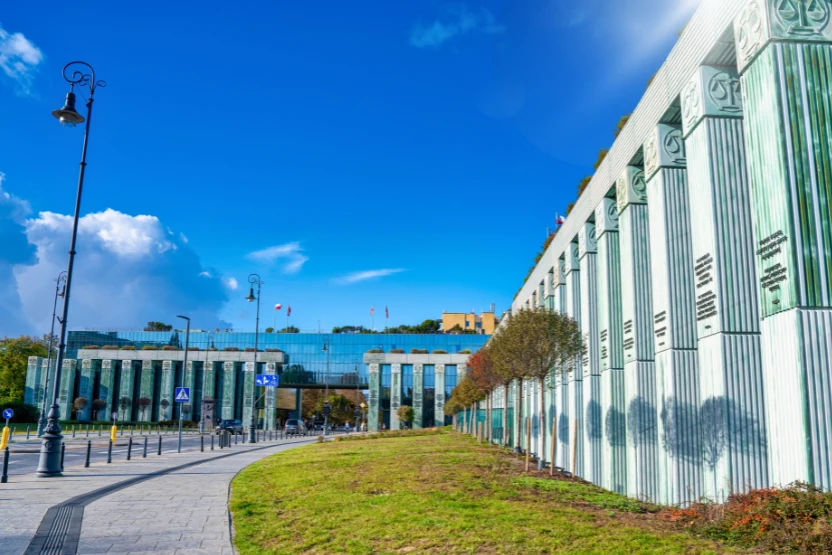
The Warsaw Uprising Museum
This museum highlights one of the most important events in Poland's modern history: the Warsaw Uprising of 1944.
This museum covers the entire event through multimedia experiences, including reconstructed scenes to show you what the time really looked like and meant for Warsaw.
Most people spend 2-3 hours here.

Kabaty Woods
If you want to go on a walk, run, or bike ride, check out the Kabaty Woods.
Las Kabacki (known locally) is a nature reserve with a lot of history, particularly during the Second World War. Today, it is a popular place for hiking (though it's mostly flat), cycling, and jogging.
If you're hoping to get out for some exercise or fresh air, this is a good place to visit.
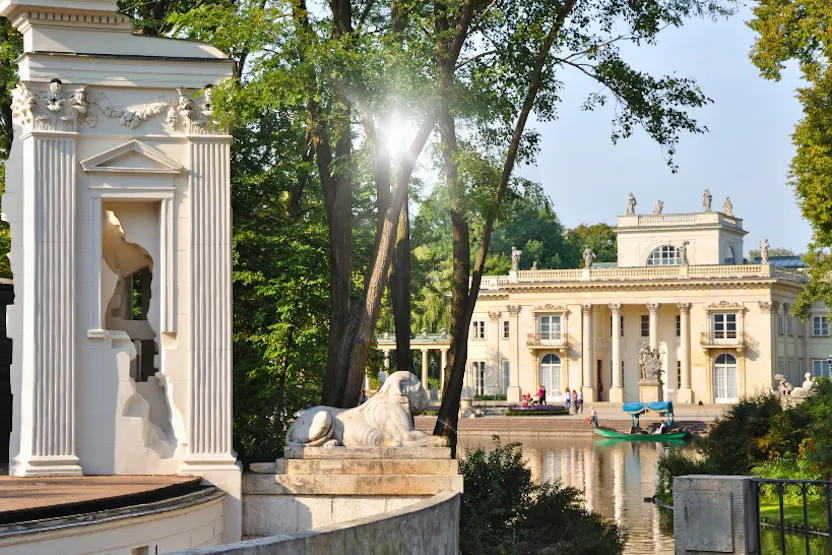
Royal Baths Park
This is the famous park that holds the Chopin Monument, but there's also a lot more to see than just that.
The park has a little bit of everything - palaces, lakes, peacocks, statues, flowers... and it dates back to the 17th century.
If you're going to Warsaw in the summer, there are free Chopin concerts in Royal Baths Park on Sundays. That said, there are other events and concerts held there throughout the year. Because of that, it's definitely worth checking their calendar of events, no matter what month you're planning to visit.
Related posts
Upcoming travels ? Get Insured !
Find the right insurance for your trip by using our powerful comparison tool!