
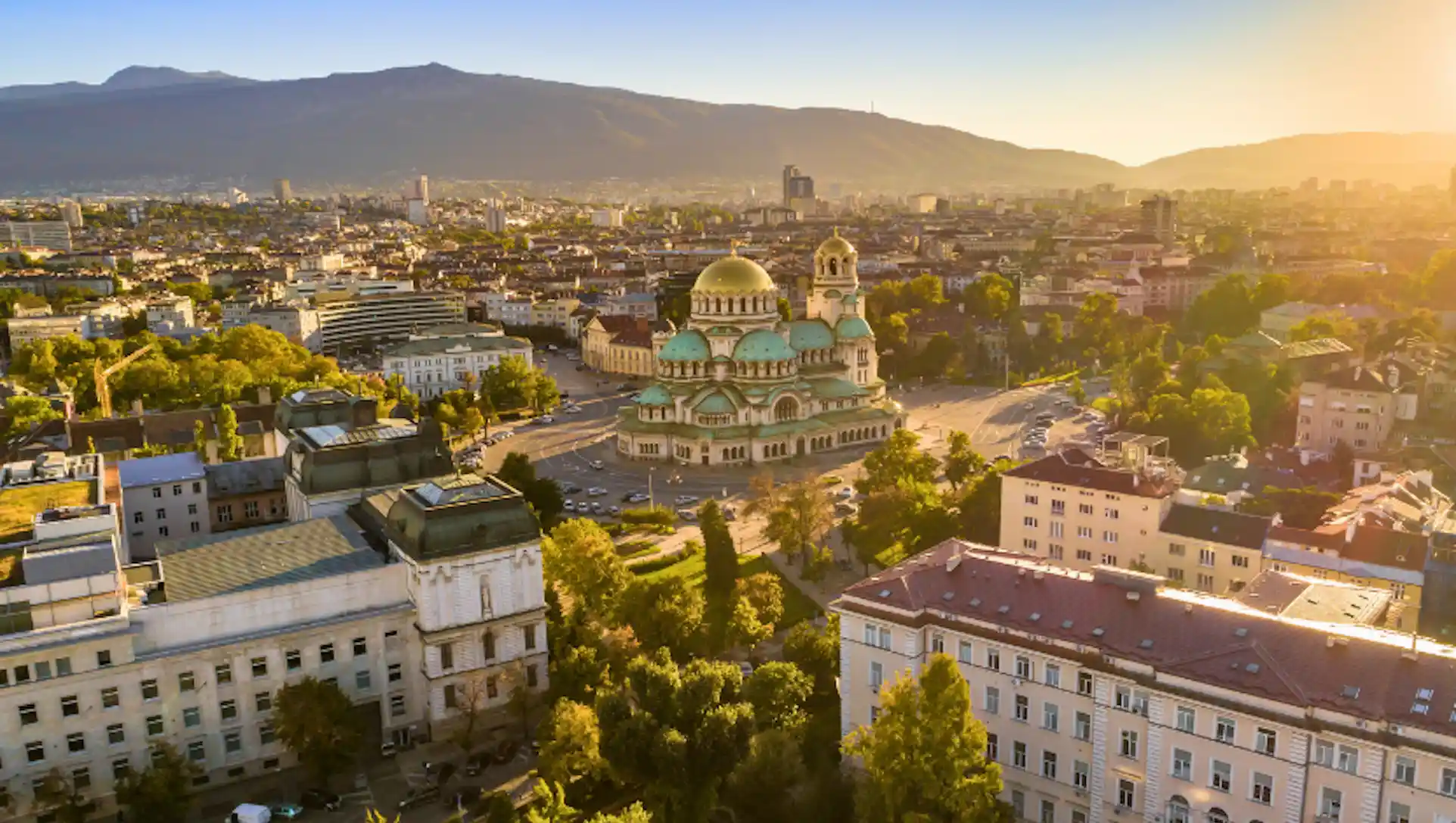
Home > Travel Guide > Travel Ideas & Inspiration > First Time in Sofia? 14 Things to Do…
Share this post
How can we even begin an article about Bulgaria, one of the most underrated destinations in all of Europe?
Bulgaria is in southeastern Europe and borders several other countries, including Turkey and Greece. It was in the news a fair bit last year because it is one of the newest members of the Schengen area, which means it's easier than ever to travel to and from.
There are a few requirements visitors need to meet - For instance, some travelers have to have Schengen travel insurance before visiting. In the interest of time, we will share some more resources at the end of the article, since the entry requirements are a whole other topic.
Sofia is Bulgaria's capital, and it's the largest city in the country with around 1.3 million residents. While it's the biggest city, most people can see the main attractions in just a day or two.
Now, if you want to see every museum, every park, every monument, etc., you could spend multiple days; it just depends on what interests you.
While there are some really great museums in Sofia, we're not going to focus on them in this article. The reason being it's quite easy to find information on available museums, and you'll definitely walk by them, as many of them are in the city center (not all of them, but many).
Instead, we're focusing on a mixture of places that will give you a real feeling for Sofia, with some main sites, and other, more local activities. Hitting all of these spots will give you a mix of Bulgarian history and culture. Any museum-stops you add to it will only be the icing on the cake.
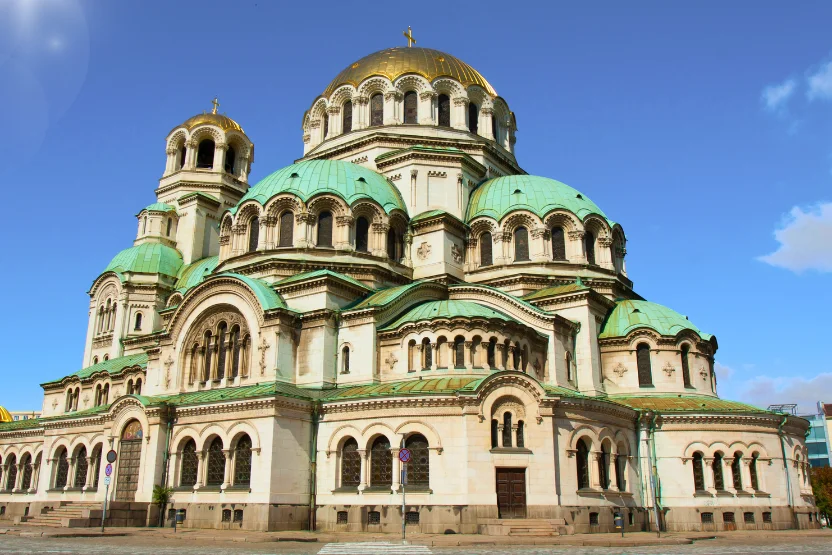
The Alexander Nevsky Cathedral
If you've already been Googling photos of Sofia, you've likely seen this cathedral in many of them. That's because it's one of the major sites in the city.
While it looks quite old (in a good way!), it is actually relatively new in the grand scheme of things. The cathedral was built in the 20th century in remembrance of the Russo-Turkish War.
Planning a Trip to Sofia?
Make sure you've got the travel insurance you need.
It is a huge church. Inside, it can fit around 5000 people, and is one of the largest Eastern Orthodox churches (by volume) in the world.
Occasionally, there is a flea market on the square outside the cathedral where you can find Russian/Soviet antiques.
The church is usually free to enter, but keep in mind there may be events and closures, so always check ahead of time.
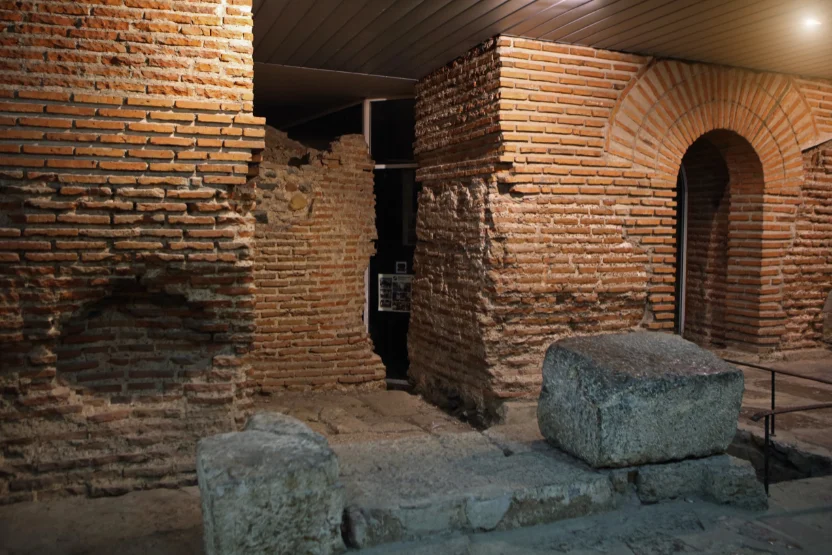
Ruins of Serdica (Roman city)
Present-day Sofia is past-day Serdica, an ancient Roman city.
Serdica was, at times, the most important Roman city in the region. In the year 170, the city was burnt and destroyed, but was rebuilt about a decade later. Throughout the centuries, it would fall into similar patterns, which isn't really uncommon for antiquity.
Today, Sofia is filled with ruins and archaeological finds from its Roman era. Many of them are available for the public to see - and for free!
In Sofia, you'll find the eastern and western city gates, city walls, the ancient Serdica complex, thermal baths, a Roman bridge, the Church of St. George Rotunda (which is later in this article), tombs and basilicas, and even a Roman amphitheatre.
They're not all located in one place, so you might need to pick and choose the ones you want to see, or create a plan to hit them all.
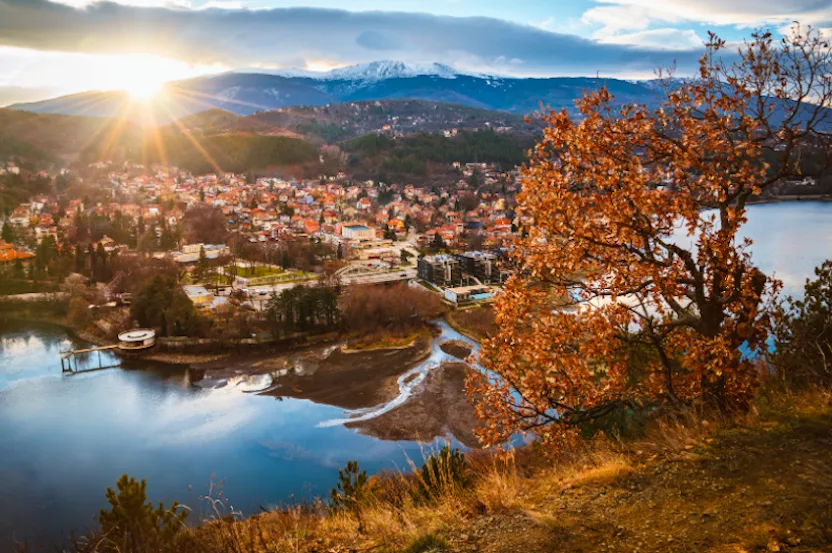
Pancharevo Lake
While it isn't located in the city center, Pancharevo Lake is quiet, pretty, and a good spot to walk, run, or bike if you're looking to get out and get some miles in.
There are paths along the lake, as well as some cafes and local spots here and there.
If you were hoping to swim, unfortunately, that isn't allowed.
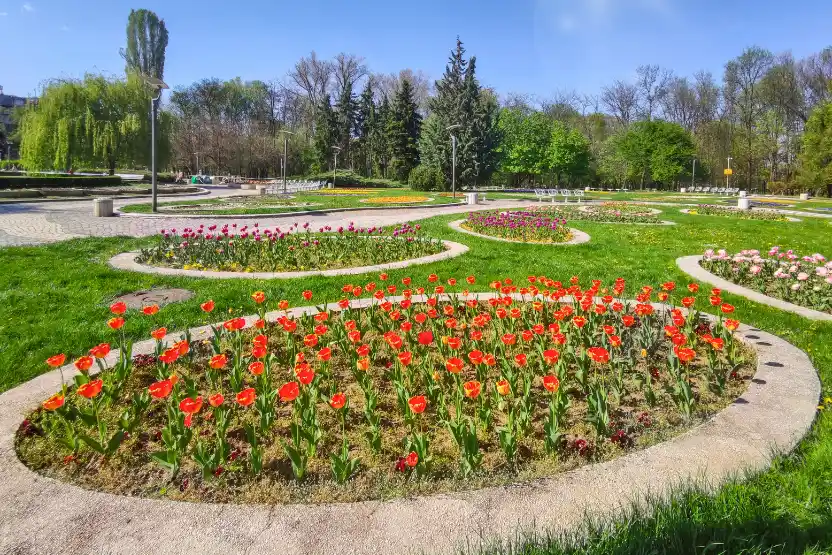
Sofia's South Park
South Park is one of Sofia's main spots for anyone looking for a bit of greenery.
Designed in an English style, South Park was built in the 1970s and has flourished since then (no pun intended). With walking and bike paths, ponds, and over 65 different species of birds, it's Sofia's own little paradise.
Depending on the time of year, there are festivals or concerts that you can go to. There are also picnic tables and playgrounds too.
The park is very large, so it's definitely somewhere you could stay for a while, depending on what your plan of action for the day is.
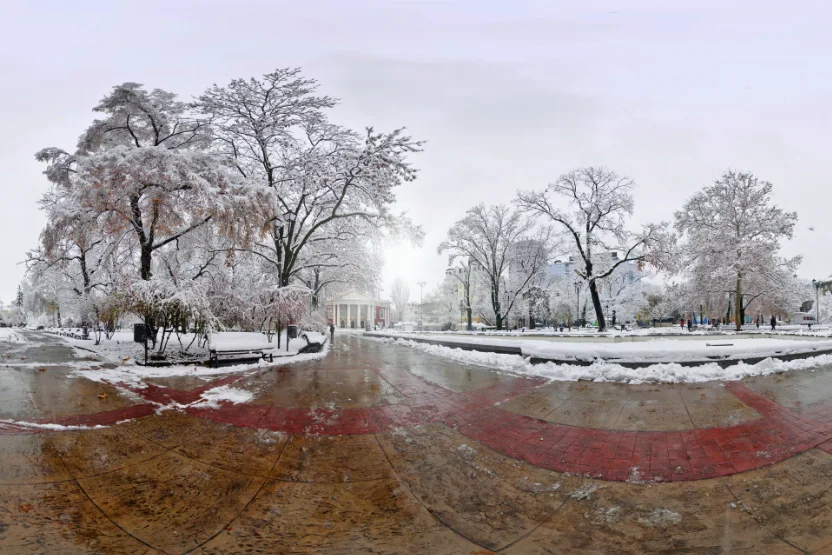
Sofia's Central City Garden
Sofia can get snowy, as you can see from the photo of the Central City Garden, or Gradska Gradina.
Central City Garden is in the center of the city, near the National Theatre. It's also one of the oldest parks in the entire city.
Depending on when you visit, you'll find people playing chess, festivals and pop-up events, live performers, and even a Christmas market in the wintertime.
While it's a favorite park amongst locals, especially those living nearby, it isn't very big, so if you're looking for somewhere to run or bike, you'll want to find a larger park like the previous one.
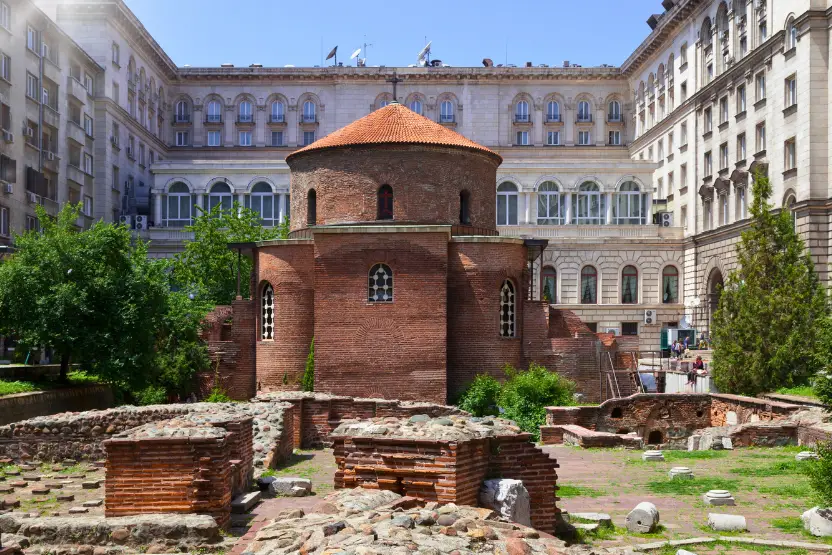
Church of St. George
While it might not look it, the Church of St. George (Rotunda) is the oldest building in Sofia. It dates back to the 4th century.
Before it became a church, it was a Roman bath area. Of course, it evolved over time to meet the needs of the people of Serdica and the communities that followed.
In the 10th century, a fresco was added to the church. Then again, throughout time, frescoes were added and added until today - there are 5 layers of them.
One of the really interesting things about the church is that it's a few meters below the modern street level. This isn't because the church was underground/a basement back in Roman times. It's because the entire street was lower. Over the centuries, we've kept adding and adding to our cities, making the "modern street level" significantly higher than ancient times. This isn't unique to Sofia.
The church is typically free to enter (it's very small).
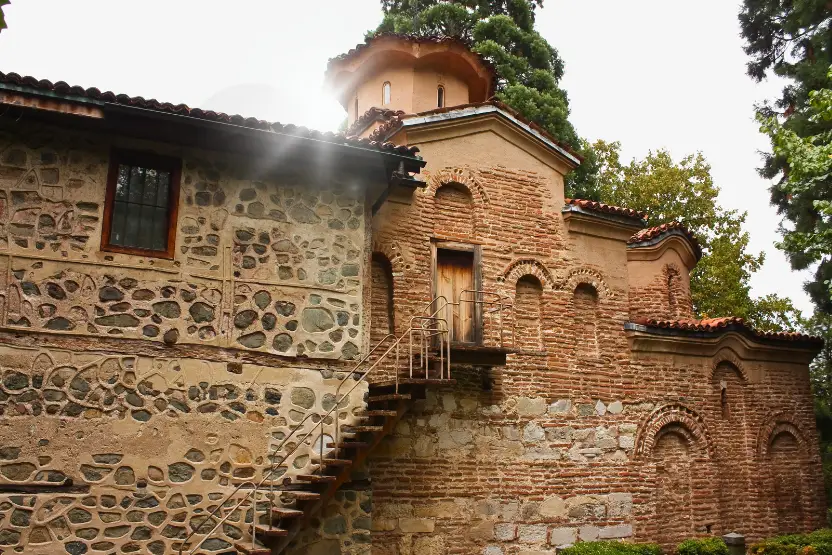
Sofia's Boyana Church
If you like Medieval stuff, make sure you stop by Boyana Church. It was built in stages between the 10th and 19th centuries and, today, is a UNESCO World Heritage Site.
What you can't tell just by looking at the outside is that inside, there are tons of ornate frescoes with over 240 human figures in them.
Only 9 people are allowed inside the church at the same time, and visitors can only stay inside for 10 minutes.
While the church does have free entry days a few times of year, typically tickets are required. You can get them there, at the ticket office, or in advance by following the directions on their official website.
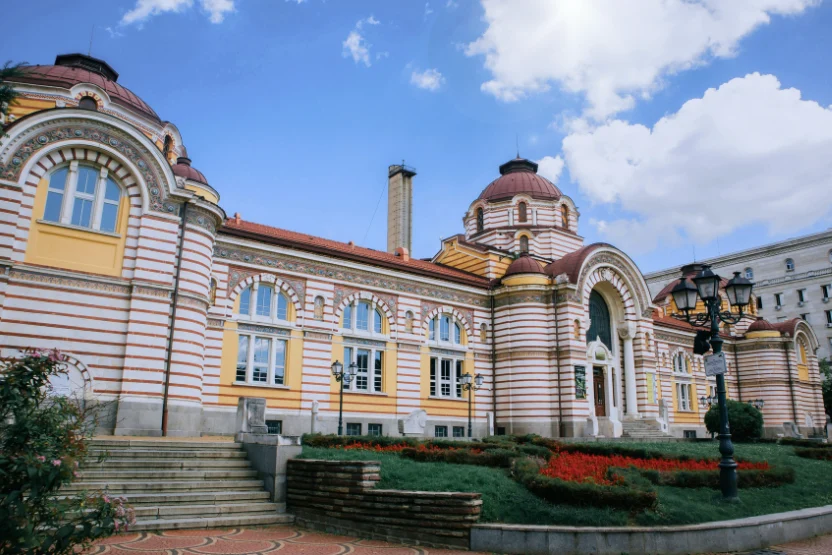
Central Mineral Baths
While they used to be public bath houses (hence the name), today the Central Mineral Baths is actually the Sofia History Museum. So, you can kill two birds with one stone.
They were opened as public baths in 1913 and operated as such until the late 80s, only closing due to some structural concerns.
Outside, there are hot mineral water fountains where you can find people filling up their water bottles.
Inside the building is very beautiful with mosaics, frescoes, and opulent-feeling decor. Tickets are required, and you may as well explore the whole place while you're there.
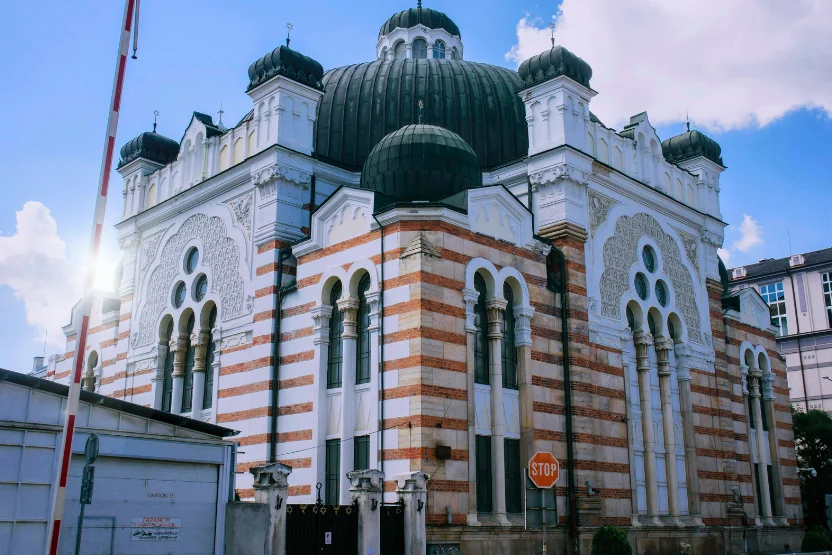
Sofia Synagogue
Sofia's Synagogue is one of the largest (active) Synagogues in all of Europe. It can hold 1300-ish people.
It was completed in the early 1900s and is famous (in design) for its huge chandelier that weighs 1.7 tons. In fact, it's one of the largest chandeliers in all of Bulgaria.
In 1992, the Synagogue also became the home to Sofia's Jewish Museum of History. To enter both, tickets are required.
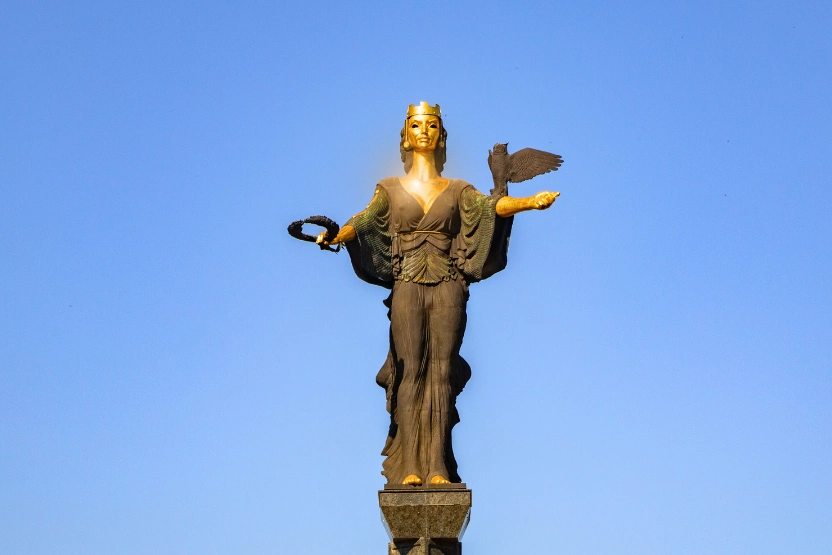
Statue of Sveta Sofia
Located in St. Nedelya Square, Sveta Sofia is one of the most iconic symbols of the city.
Sveta Sofia was actually put up in the year 2000 to replace a former statue of Lenin from the Communist era.
It's hard to tell from the photo, but she is tall, at about 78 feet (24 meters), and made out of bronze and copper.
If you happen to sign up for a walking tour in Sofia, the statue is a common meet-up spot since it's pretty hard to miss.
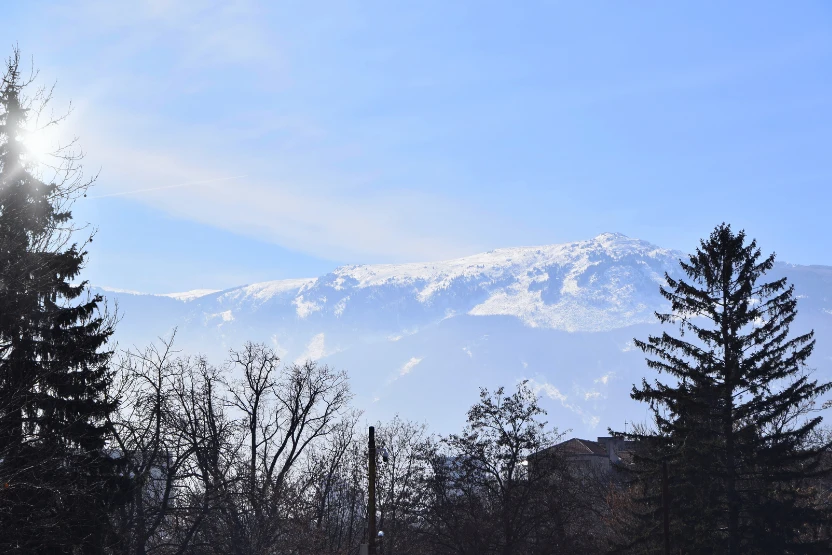
Hike Vitosha Mountain
There are two ideas on this list that are not directly in Sofia, but they're nearby. Vitosha Mountain is one of them.
If you like to hike, go on walks, or like doing snow sports like skiing, this might be a place you want to check out.
Vitosha Mountain is one of Bulgaria's oldest protected nature spots. Parts of it even have old Bulgarian huts that you can see. There are tall trees, established trails, alpine meadows, and glacial lakes - it's really beautiful.
Even though it's out of town, there are public buses that go from Sofia to the mountain. Make sure you pay attention to any local weather warnings. Since it's a mountain, the weather can change quickly and unpredictably.
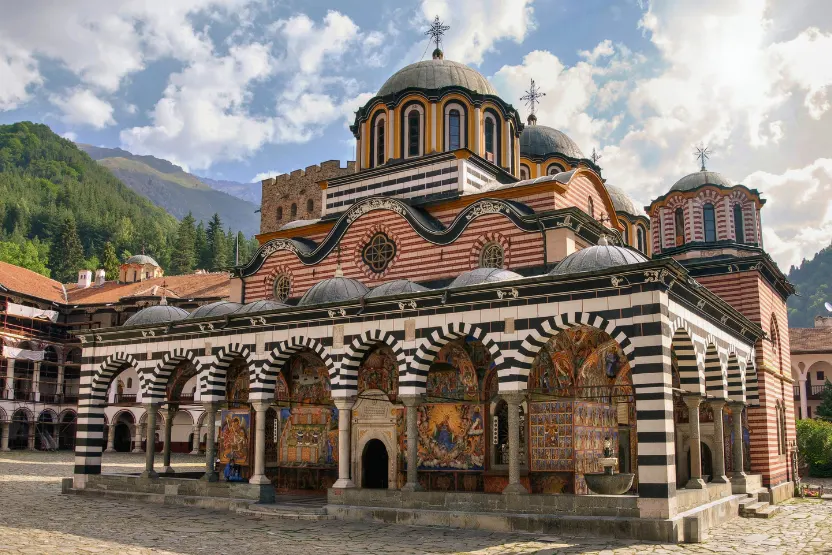
Rila Monastery
The other thing on the list that isn't in Sofia proper is Rila Monastery, but we had to add it because it's really worth the trip if you're going to be in the area anyway - especially if you don't know the next time you'll be back.
Rila is a medieval monastery and UNESCO World Heritage Site. It was founded in the 10th century and is one of the most ornate, beautiful monasteries in all of Bulgaria.
You can go inside the monastery, but tickets are required.
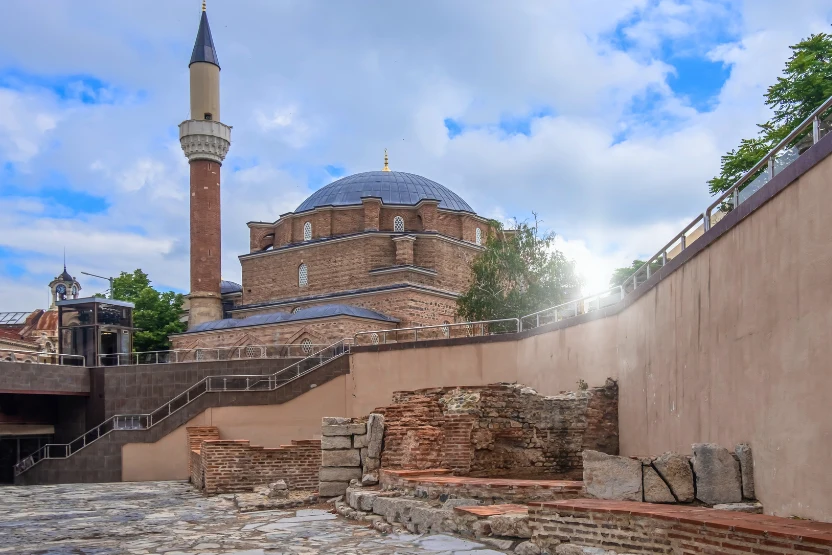
Banya Bashi Mosque
Not far from Sofia's thermal baths is the Banya Bashi Mosque, built in 1566. The architect is the same architect who built the famous Suleiman Mosque in Istanbul.
Its name means "many baths" because the mosque was built on top of natural hot springs (which are very common in the area, as you've probably been able to tell).
Many religious centers in Europe have dress codes, so consider this if you are hoping to stop in. It's free to visit, but hours vary depending on events and the time of day (for prayer).
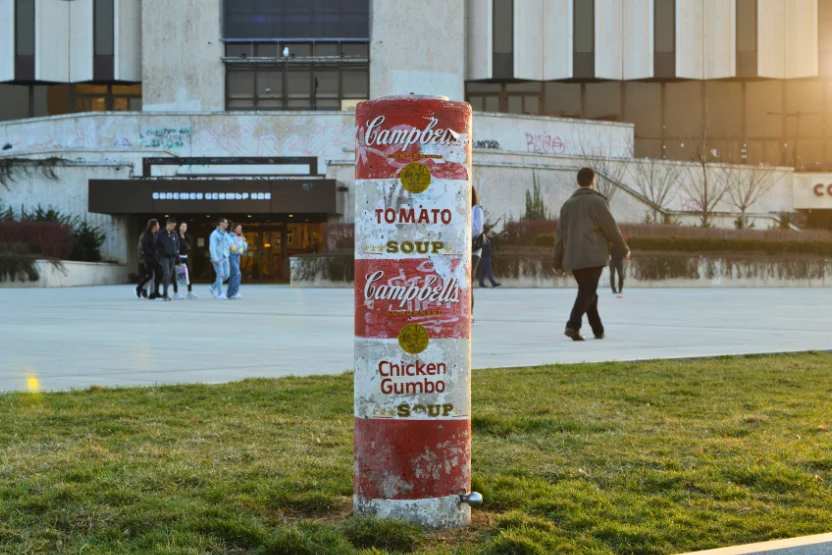
Street art & murals
Sofia is known for having a lot of street art, graffiti, and murals. While you can spot them all around town, the area around Tsar Ivan Shishman Street is known for having more than other neighborhoods do.
Make sure you're looking all around you whenever you're wandering around, since the public art can be any size, any shape, and anywhere.
More on Bulgaria...
Some travelers need a visa to visit Bulgaria. Check if you need one in our Bulgaria Visa Guide.
ETIAS is beginning soon. If you're a US or UK citizen, make sure you check out our Bulgaria ETIAS Guide.
Moving to Bulgaria? Learn about Bulgarian long-stay visas and residency.
Related posts
Upcoming travels ? Get Insured !
Find the right insurance for your trip by using our powerful comparison tool!