
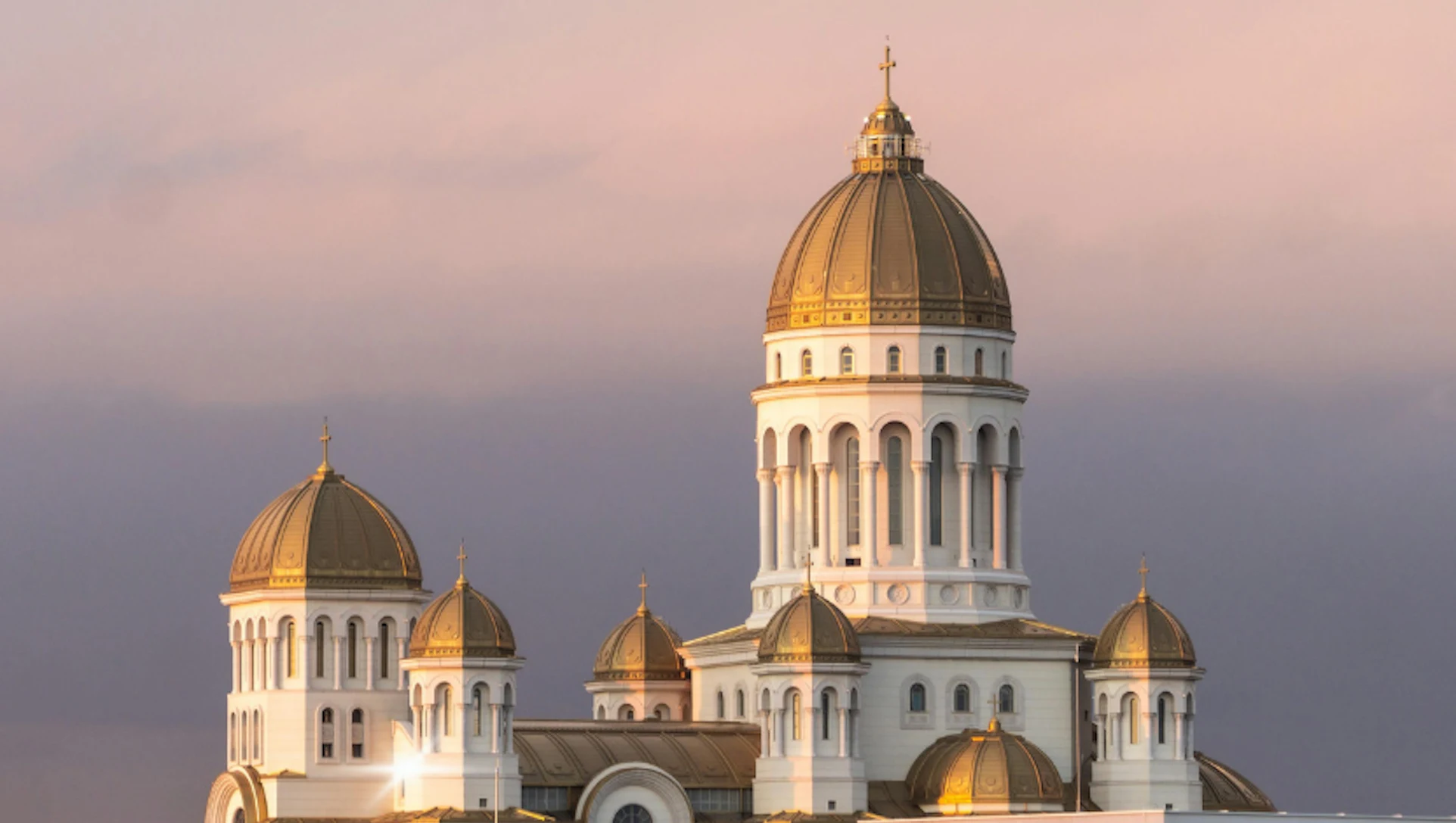
The Best Things to do in Bucharest (According to Locals)
Sarah Pardi - December 26, 2025
Home > Travel Guide > Travel Ideas & Inspiration > The Best Things to do in Bucharest (According to Locals)
Share this post
Bucharest is a large city; in fact, it's the largest city in Romania.
Also, its capital, Bucharest, is the most visited city in the country and sits within its București-Ilfov region.
Millions of people visit Bucharest each year, whether it's for work, to visit family, or as tourists.
No matter the reason you're heading to Bucharest, you'll likely want to sight-see at some point, which means you're going to do a little bit of prepwork beforehand (on top of the normal things like getting travel insurance that's valid in Romania).
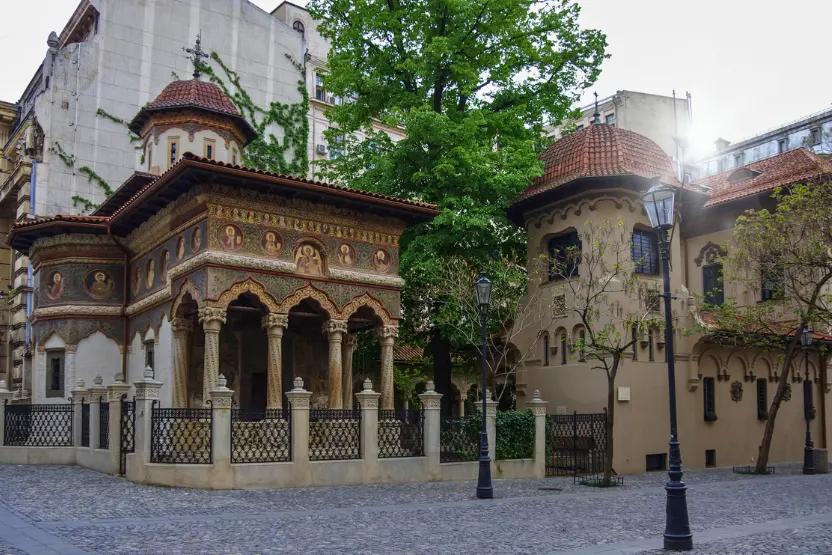
The Stavropoleos Monastery
While it's small, it's a special spot. Stavropoleos first opened in the early 1700s and is an Eastern Orthodox Monastery. Its patron saints are Archangels Michael and Gabriel.
It's easy to get to, located in Bucharest's Old Town. Just check the hours online before you go, so you're aware of opening hours, events, and any special shows or performances.
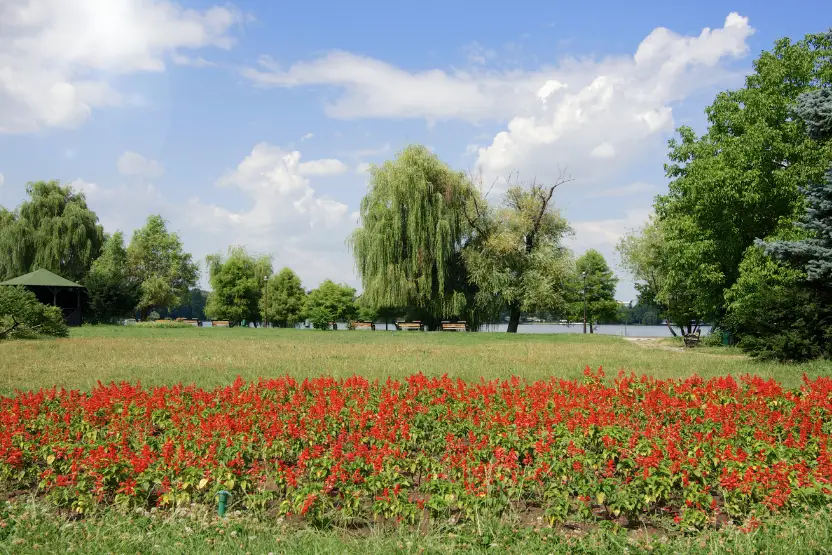
King Michael I Park (Herăstrău Park)
Right off of Lake Herastrau, in the northern part of Bucharest, you'll find King Michael I Park. You may also see it listed as Herǎstrǎu Park, which is its former name.
One of the most famous parts of the park is the Village Museum (Dimitrie Gusti). This "outdoor" museum shows what Romanian life looked like over time.
The village is 100,000 square meters (that's over 1 million square feet) and consists of over 100 reconstructed peasant settlements, 50,000 artifacts, over 360 monuments, and more.
Ignoring the Village Museum, the park is great as a standalone with natural flora and fauna, and beautiful views along the water.
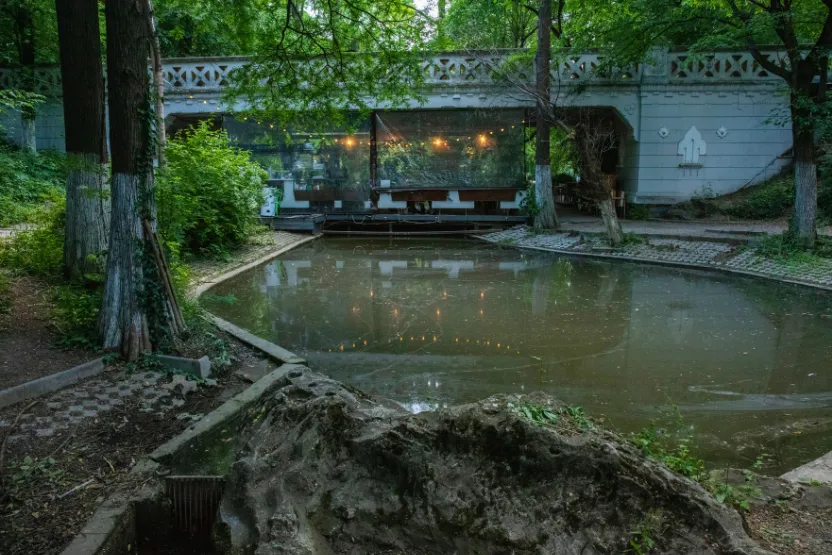
Bucharest's Carol Park
Carol Park was designed and built in the early 20th century by a French landscape artist. Because of that, there are a lot of French garden aesthetics.
It's a large park, at over 36 hectares, and has flora and fauna, a mausoleum, fountains, sculptures, and even a museum on site.
Depending on the time of year, there are occasionally events in Carol Park, so make sure to check the calendar.
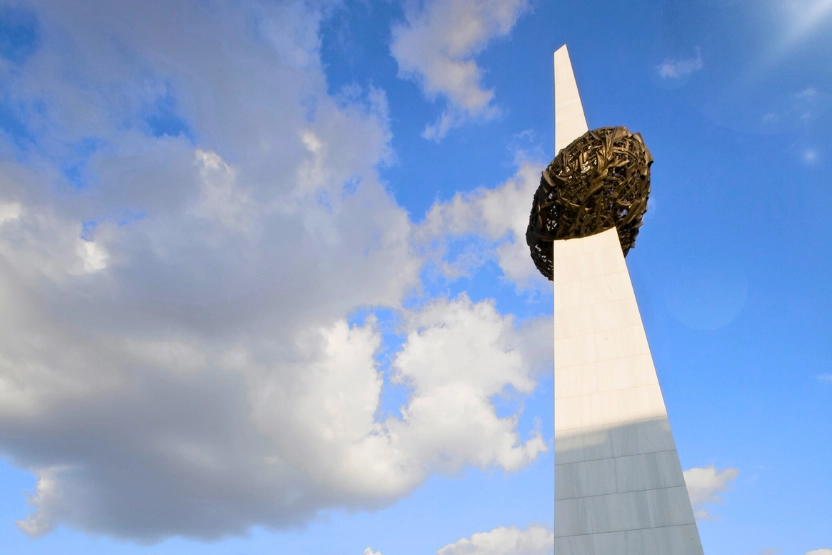
Potato on a Stick
Probably a phrase you didn't expect to see on the list, but there is a fascinating monument located at Revolution Square: Potato on a Stick.
It was built as a memorial to the victims of the 1989 Revolution, and it has actually been a pretty controversial landmark.
Still, it's worth seeing if you're traveling to Bucharest. If you do end up paying it a visit, make sure you read the plaque - it'll give you some more context.
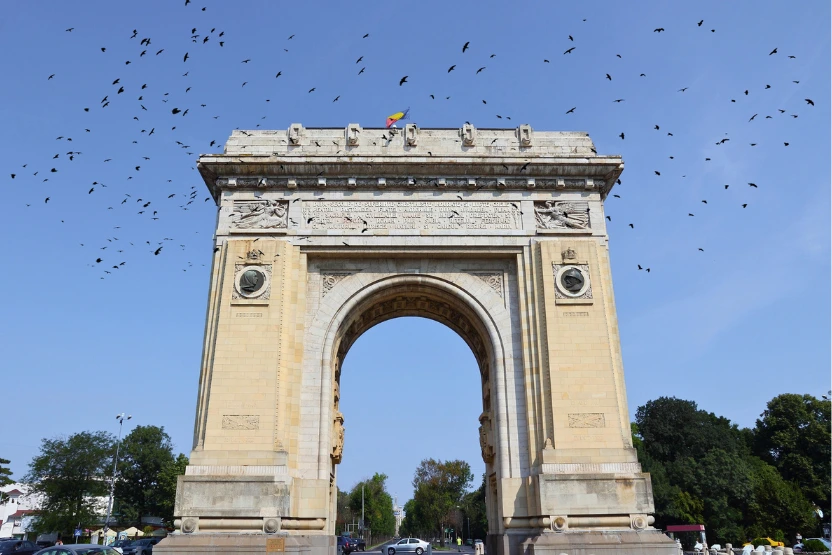
The Triumphal Arch
The Triumphal Arch, or Arcul de Triumf, is reminiscent of Paris's Arc de Triomphe. They even share the same name.
This is Bucharest's very own monument celebrating Romania's independence and WWI victory.
At first, the arch was built of wood, but it has had to be rebuilt multiple times.
It's also possible to go to the top of the arch. Up there, you'll see beautiful views of Bucharest.
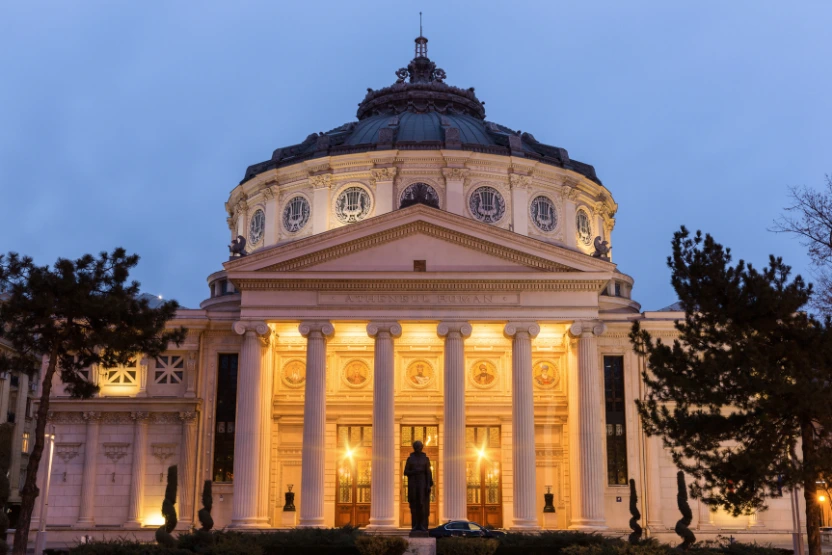
The Athenaeum
The Athenaeum is a beloved local concert hall. One of the reasons it is so treasured is that it was partially built by public donations. It really is the people's building.
It's worth it if you can go inside the building. The dome has gorgeous red fabric and gold decor.
There are concerts, shows, and all kinds of performances here. If you're not looking to see a show, there are also tours available. You'll just need to check online ahead of time.
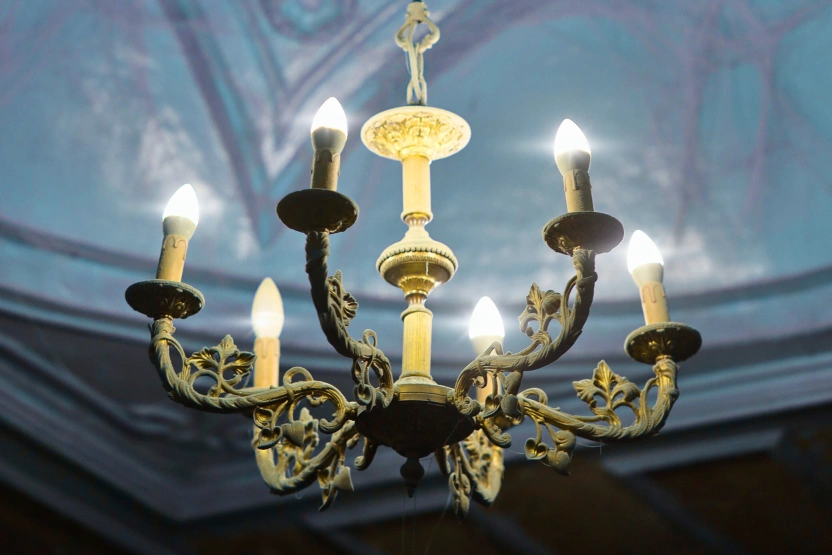
Casa Ceaușescu (the Ceaușescu Mansion)
Nicolae Ceaușescu led the Socialist Republic of Romania and then became the first President (in the 1970s).
You can visit his (and his family's) ornate mansion. It has over 80 rooms filled with old furniture, incredible mosaics and artwork, and chandeliers.
On top of its uniquely, brightly colored interior, there are lush gardens surrounding the mansion, too.
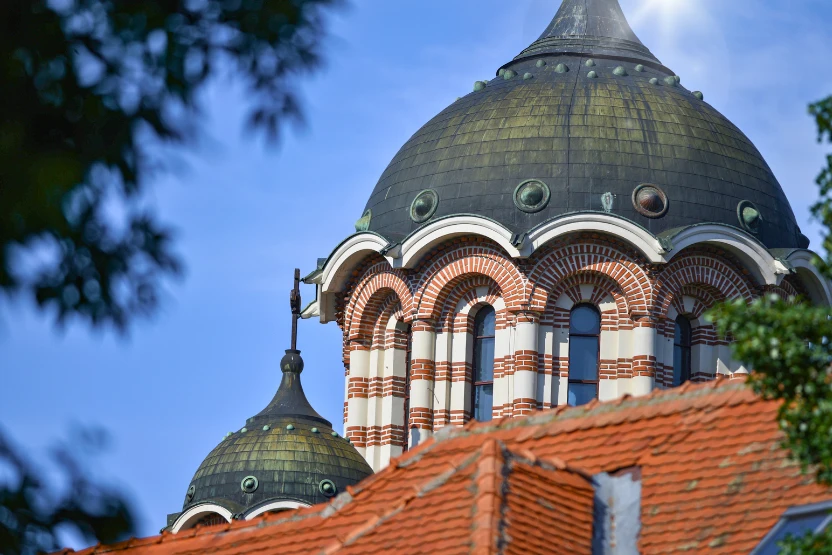
the Cotroceni Neighborhood
Near the Presidential Palace, you'll find one of the most beloved neighborhoods in Bucharest: Cotroceni.
While it's a residential district, if you like architecture, you'll want to take a stroll around. It isn't really a tourist area, but it is a favorite among those who wander through it.
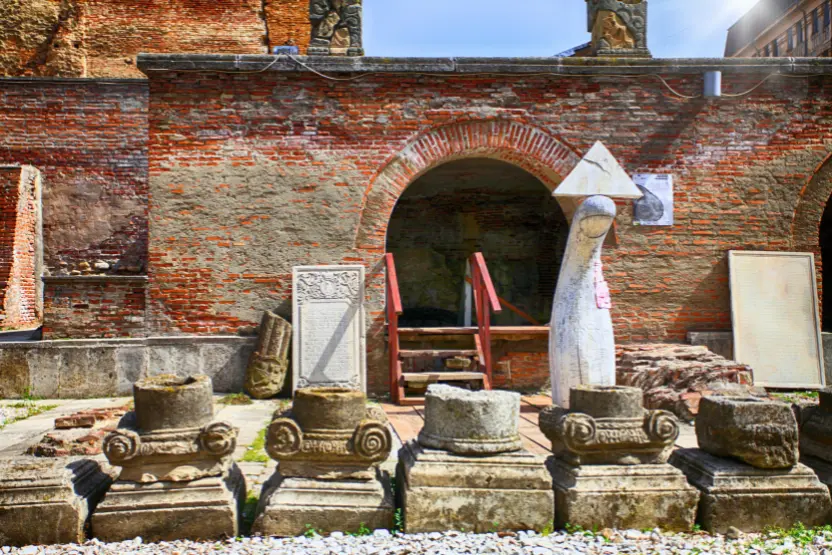
Bucharest's Old Town
Bucharest's Old Town area includes the Vechi and Lipscani neighborhoods (Lipscani pictured above).
Walking through, you'll go past little restaurants, shops, random alleyways with hidden courtyards, and ruins.
Keep in mind that Old Town (like the Old Town areas in most European cities) can get really crowded, and gets especially noisy at night.

The Palace of Parliament
One little-known fact is that Romania's Parliament is the second-largest administrative building in the world, second only to the Pentagon.
In fact, its size is rather controversial as over 40,000 buildings (including homes, religious centers, and historic places) had to be demolished in order to build it.
The building itself is an accomplishment. It was built with mostly materials found in Romania.
Most reviews recommend booking a tour, so you can really learn the significance of its construction.
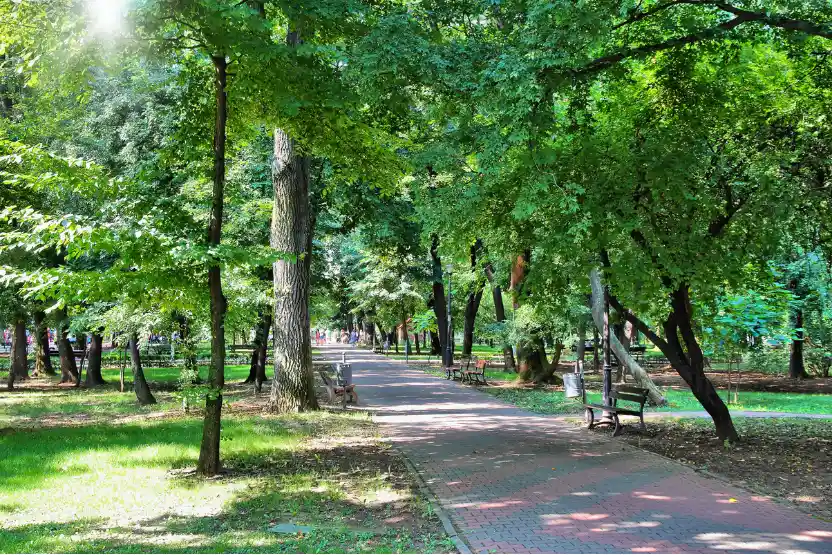
Kiseleff Park
This park is perfectly located because it's right next to Bucharest's main thoroughfare, Șoseaua Kiseleff.
The park has old trees, maintained paths, and benches throughout.
This isn't necessarily a tourist attraction out the gate, but it's perfect for a nice walk when you're looking for a break from the city streets.
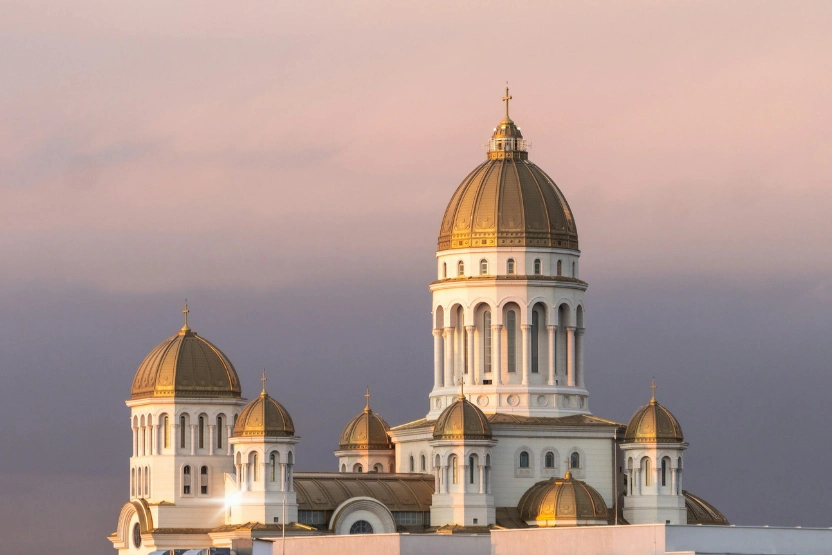
The National Cathedral of Romania
The Catedrala Mântuirri Neamului isn't only the biggest cathedral in Romania, it's one of the largest in all of Europe.
Its construction planning took over 100 years, but it took until after 2010 to build. It was consecrated in 2018.
The cathedral is taller than Notre Dame, and more than 5000 people can fit inside.
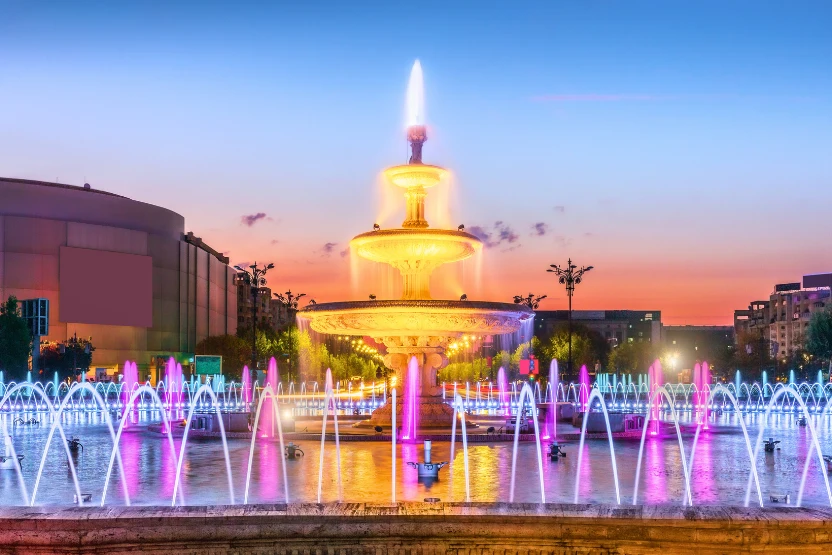
Unirii Square
Unirii Square is a large, busy square in Bucharest, and was built in the 1980s.
After a redesign, there are nighttime fountain shows with lights and water moving in different patterns.
Make sure you look at the calendar during your visit to see when you should stop by.
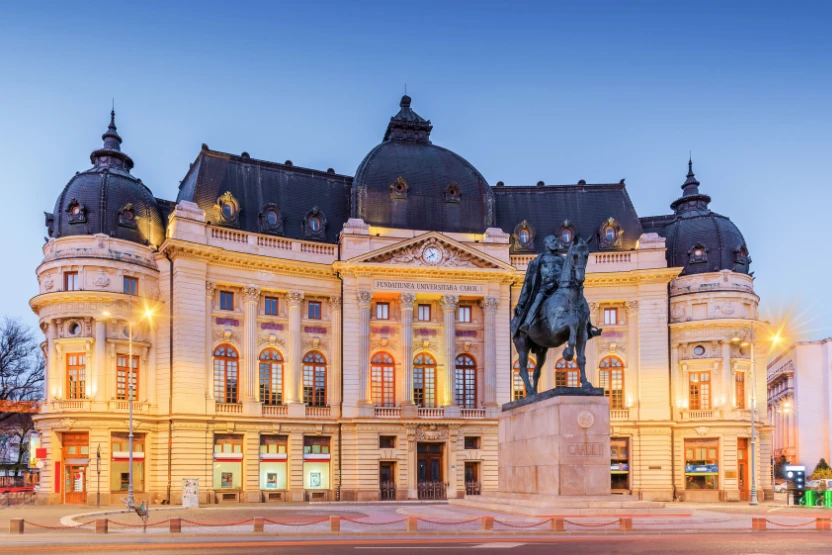
The National Library of Romania
Checking out the exterior of the building is a treat alone, but it's also worth stepping inside.
Built near the water, there are beautiful views of both the river and the parliament.
There's also a café inside, so you can grab a cup of coffee or a snack.
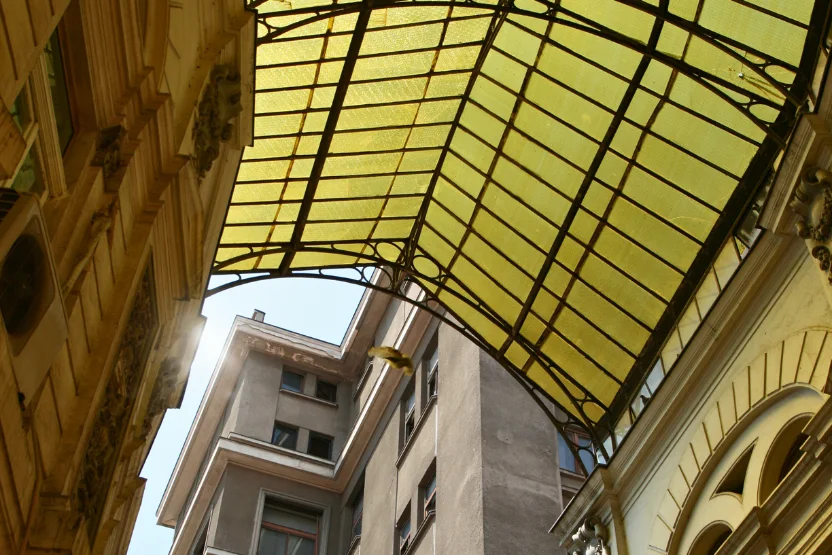
Macca-Villacrosse Passage
There's a short, covered passageway in Bucharest that you should check out. The cover itself is a pretty yellow, with or without the sun shining through.
It was built in the 19th century and inspired by Paris's iconic passageways and glass and metal work.
It's a short passage, but it's a cool thing to see if you're looking to kill time or happen to be in the area.
Related posts
Upcoming travels ? Get Insured !
Find the right insurance for your trip by using our powerful comparison tool!
Sarah Pardi - October 27, 2026