
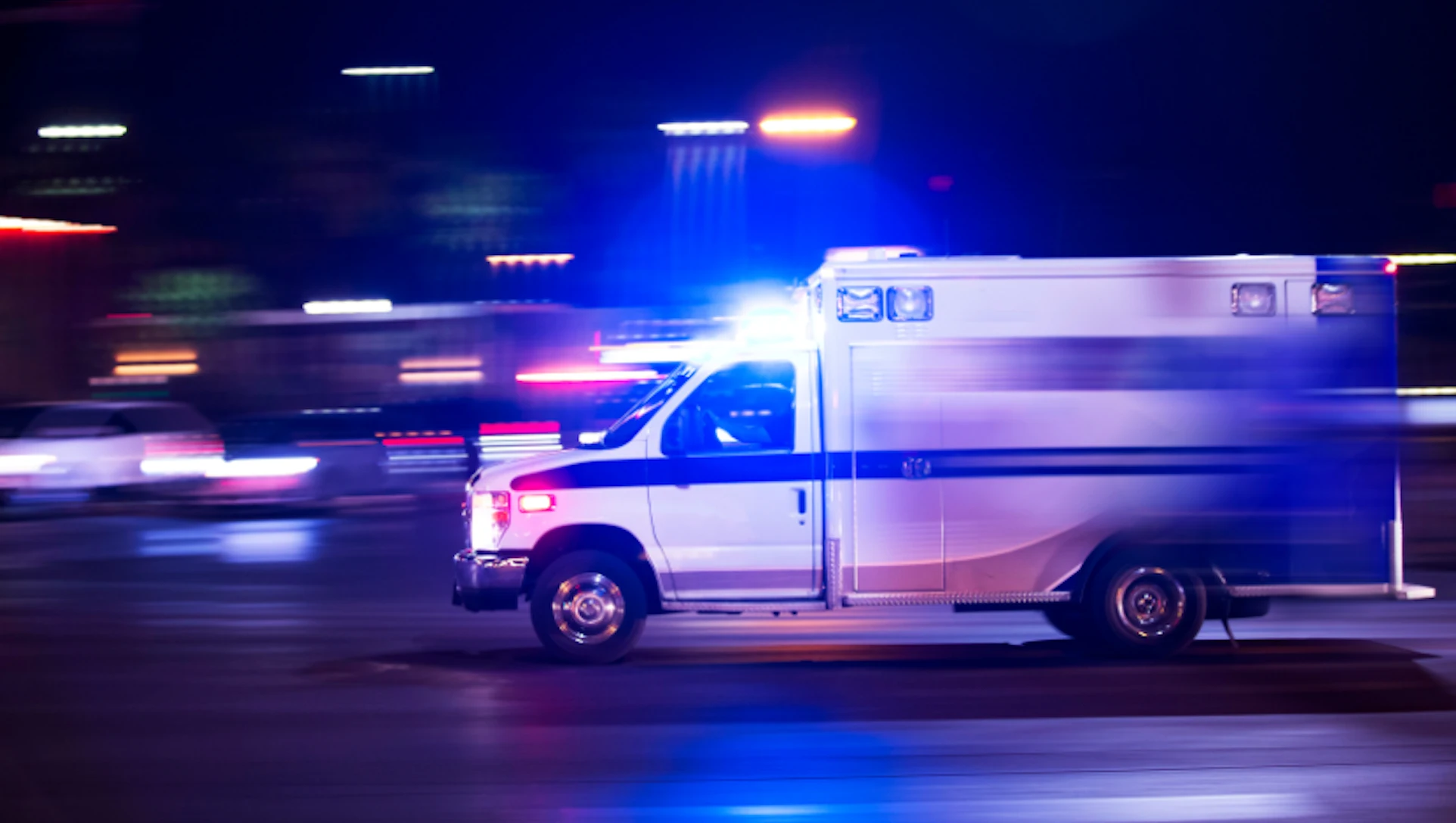
Going to Europe in 2026? The Emergency Number You Should Save
Sarah Pardi - April 3, 2026
Home > Travel Guide > Travel Safety & Health > Going to Europe in 2026? The Emergency Number You Should Save
Share this post
For everyone who loves to travel, Europe nearly always makes the bucket list. No matter which corner of the earth you're from, Europe attracts people from far-reaching corners. Millions of people visit each and every single year.
However, during a trip, there's always the chance of an emergency happening or something going wrong (that's one of the reasons travel insurance is so often advised). From illnesses to accidents, and everything in between, life happens everywhere. Unfortunately, that "everywhere" is sometimes on vacation.
In Europe, there's one number that you should save in case you find yourself in a serious situation: 112.

Europe's emergency number
Europe is made up of several different countries, and while it might seem unusual, many countries share the same emergency number: 112. The countries that share this emergency number are all in the European Union.
If you're traveling to Austria, Belgium, Bulgaria, Croatia, Cyprus, the Czech Republic, Denmark, Estonia, Finland, France, Germany, Greece, Hungary, Ireland, Italy, Latvia, Lithuania, Luxembourg, Malta, the Netherlands, Poland, Portugal, Romania, Slovakia, Slovenia, Spain, or Sweden, calling 112 will get emergency help on the line.
The number works on both landlines and mobile, and will connect you with the emergency services you need, such as the fire department, police, and medical care.
A "global" emergency number was created so citizens, residents, and travelers throughout the EU can get the help they need, quickly and easily, without having to memorize a bunch of different emergency numbers.
This means that whether you're visiting France, Spain, Portugal, Sweden, or anywhere else in the EU, you can dial 112 for emergency help.
The concept for a universal emergency number was introduced decades ago, and it has worked in every EU member state since 2008.
Heading to Europe?
Get the travel insurance you need, 100% online.
Local emergency numbers
112 is a "universal" number in Europe, but countries can (and often do) have their own national emergency numbers as well, which can also be helpful to know.
On the other hand, some EU countries have adopted 112 as their main emergency number.
Here is a list of some of the most popular European Union destinations and their emergency numbers.
France
For emergency medical, motor vehicle accidents, and fires in France, you can call 15, 18, or 112. You can also text 114. For police, the numbers are 17, 112, or 114 by SMS.
For all of France's emergency numbers, please visit their public services page.
Germany
Germany uses 112 as its national emergency number.
Greece
In addition to 112, Greece has several other local numbers.
- The police: 100
- Fire department: 199
- Medical emergencies: 166
You can see all of Greece's emergency numbers on this page on their official government website.
Italy
Italy's main emergency number is 112.
Portugal
Portugal uses 112 as its main emergency number.
Spain
Like many other EU countries, 112 is the main emergency number in Spain.

What to know before you call
In some countries, there will be options in English, but it isn't guaranteed.
According to the EU, the language(s) available depend on the country that you're in. Today, there is no law in the European Union stating that emergency services must be available in any specific language.
If you're unable to communicate for any reason, the 112 operator will share as much information as possible with the emergency response teams, such as the location of your mobile device or of your landline.
If you've taken out travel insurance, make sure you know the claim process ahead of time. Depending on your policy, coverage, and insurer, your insurer may require you to start a claim at the moment an emergency occurs.
Familiarizing yourself with your insurance company's claim process before you travel (and in the best-case scenario, before you buy) is extremely important, so you know what to do to make sure you can actually benefit from your coverage.
112 is for emergencies only.
If you are facing an issue that isn't an emergency, keep in mind that many travel insurance policies come with 24/7 assistance and support. You should write down the number and your policy information.
Another thing that's important to keep in mind is that the UK is no longer in the European Union. Still, 112 can be used there. 999 is their other national emergency number.
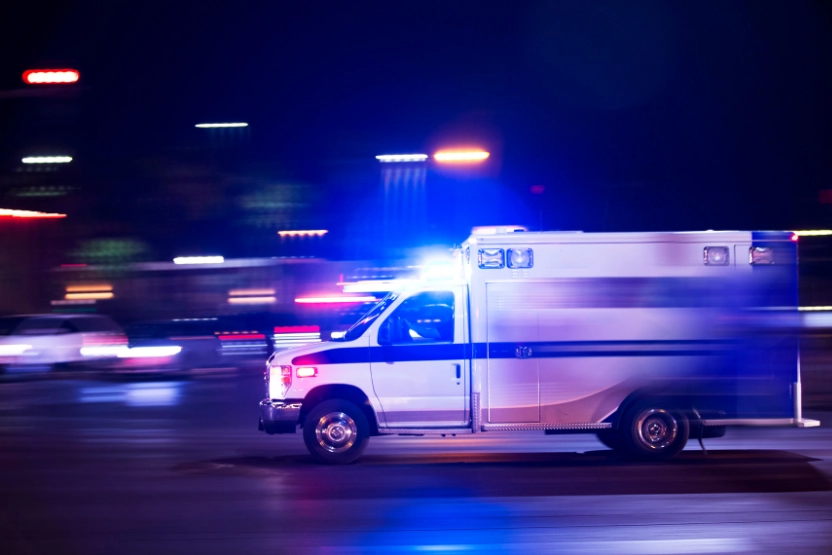
Europe's 116 number
The EU also has a global 116 emergency number, in six different variations. These numbers are more specific and aim to help anyone and everyone in need. They're all free to call. Like 112, they work in every country in the EU.
For missing children: 116 000
Helpline for children: 116 111
Emotional support: 116 123
Victims of crime: 116 006
Non-emergency medical assistance: 116-117
For women who are victims of violence: 116 016
112 covers everything in a pinch, but you can also access these numbers for very specific emergencies and issues.
Know before you go
Whenever you're traveling, you should make sure that you know the local emergency numbers and/or processes so that you can get the care that you need, quickly.
Make sure you save it as a contact in your phone or in your notes so you can get it quickly. Serious situations can be overwhelming, so having it jotted down can help - just in case.
European emergency line FAQs
 Sources & references
- Internal Expertise & Review
- Insurte is a travel insurance company specializing in Schengen visa insurance. Our team of professionals and travel experts is dedicated to creating and sharing relevant, accurate information. We're committed to helping travelers journey with more knowledge and confidence.
- European Union Information on 112
- Info on 112 : Information on emergencies in the European Union.
- Emergency FAQs : FAQs for emergencies and emergency systems in the European Union
- Written by:
- Sarah Pardi - Staff Travel Advisor
- Fact-check and reviewed by:
- Clément Goubon
- Last updated:
- April 3, 2026
Learn more about our editorial standards and review process in our Editorial Policy.
Related posts



Upcoming travels ? Get Insured !
Find the right insurance for your trip by using our powerful comparison tool!