
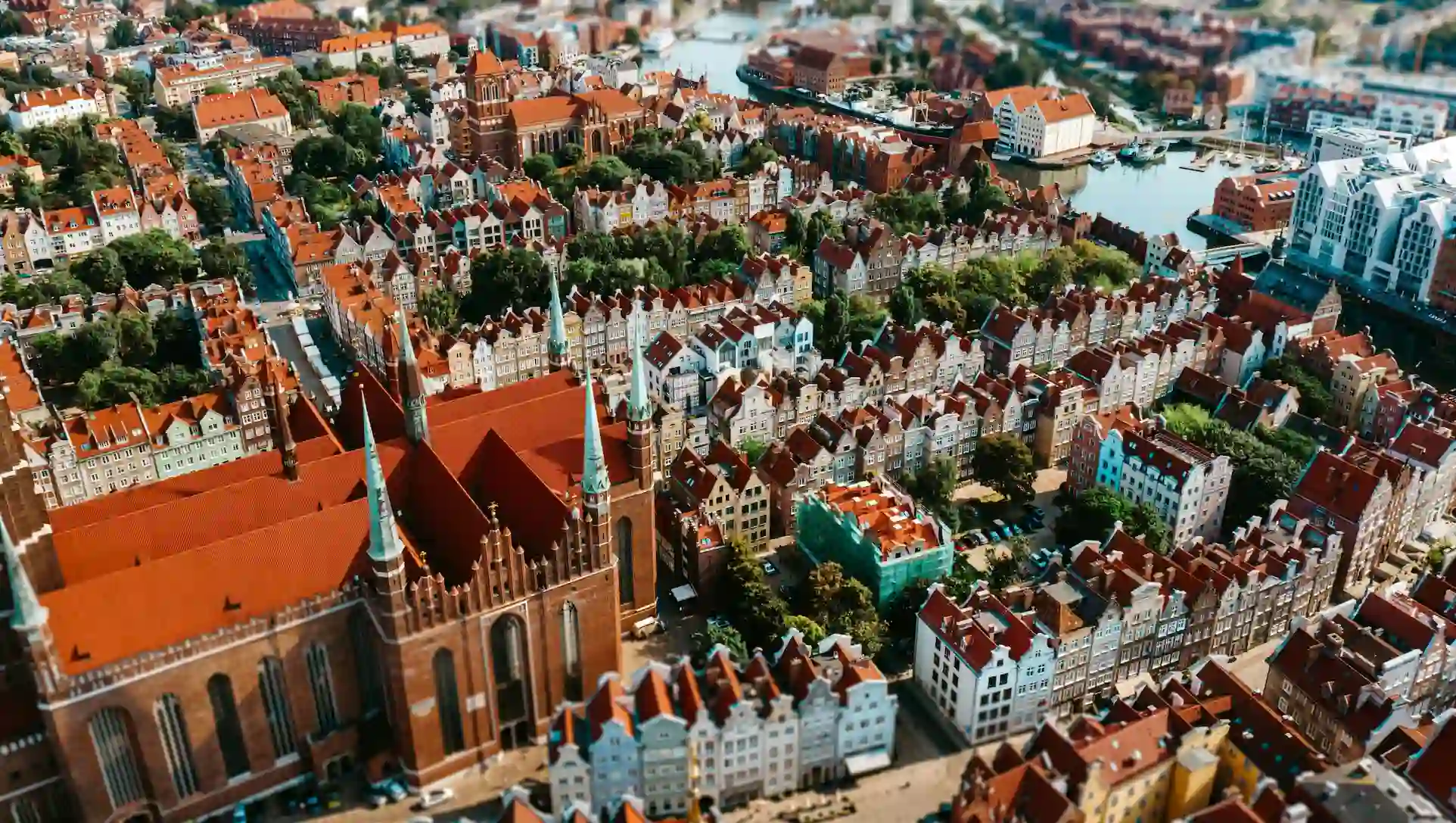
Things to do in Poland: A Guide to Cities, History, and Landscapes
Savannah Sitterlé - April 24, 2026
Home > Travel Guide > Travel Ideas & Inspiration > Things to do in Poland: A Guide to Cities, History, and Landscapes
Share this post
Poland is one of those countries that tends to surprise people.
It is often not the first place that comes to mind when planning a trip to Europe, but once you arrive, it feels much more layered than expected. Cities with long histories, landscapes that shift from mountains to coastline, and a pace that feels slightly less rushed than in more visited destinations.
If you are planning your trip, it helps to check a few practical details early, including what you can bring with you into Europe and how travel rules apply before you arrive.
Once you are there, Poland is a country that is best experienced by moving between a few different places rather than staying in just one.
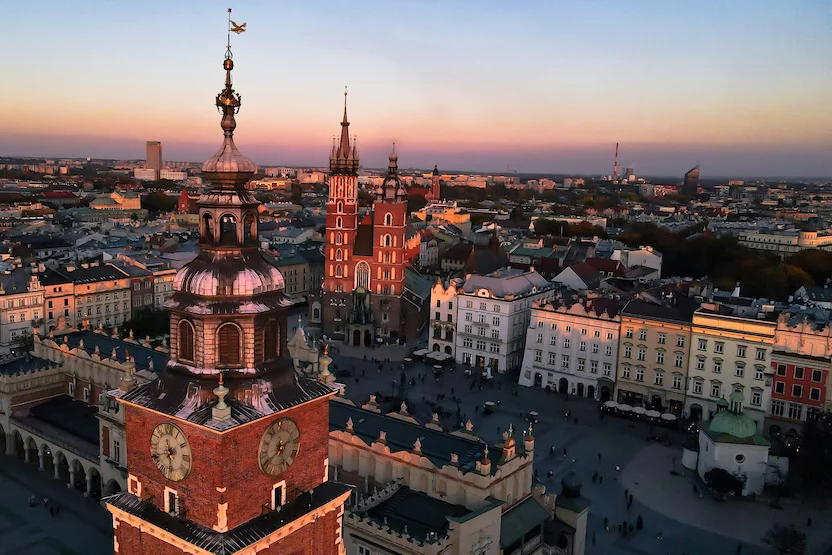
Kraków and the Old Town
Kraków is usually where people begin.
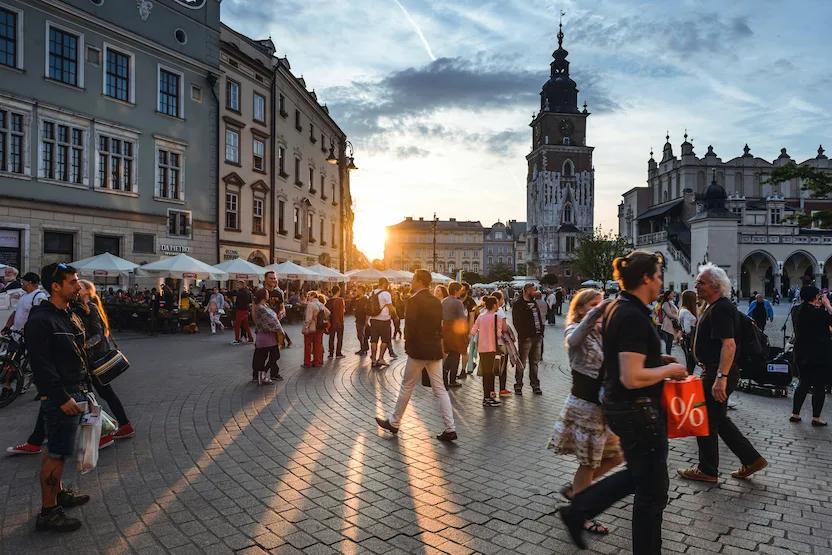
The Old Town is centered around a large square, with streets that spread outward in every direction. It is easy to walk without a plan and still come across most of the main sights.
Wawel Castle sits nearby, slightly elevated above the river, and is one of the landmarks you will likely pass at some point.
The city has a steady rhythm. Cafés, small restaurants, and open spaces where people tend to slow down rather than move quickly between places.
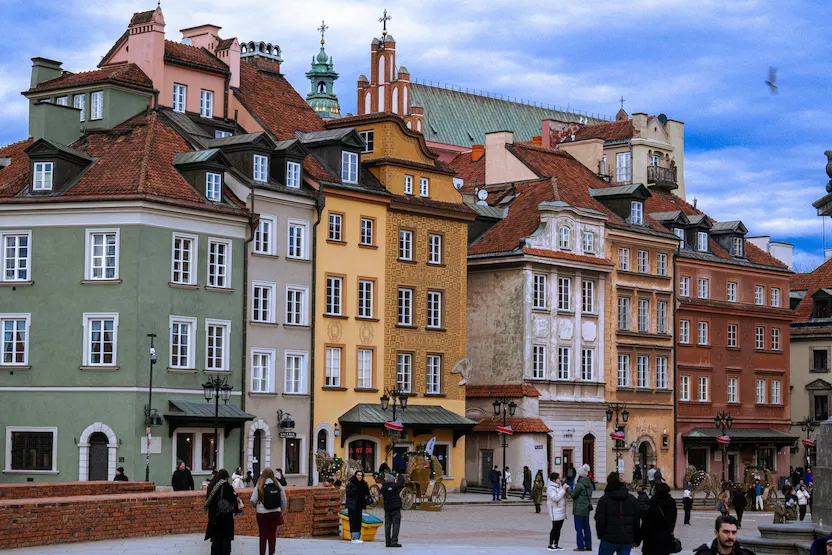
Warsaw and the contrast of old and new
Warsaw feels different from Kraków.
Parts of the city were rebuilt after World War II, which creates a contrast between historic areas and more modern sections.
The Old Town has been carefully restored, while other neighborhoods feel more contemporary. Moving between them gives you a better sense of how the city has changed over time.
It is not as immediately picturesque, but it becomes more interesting the longer you spend there.
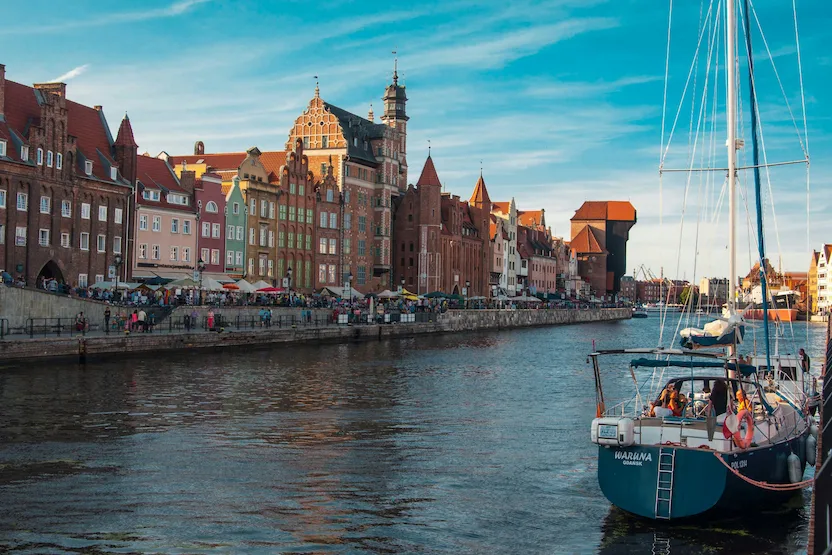
Gdańsk and the coast
Gdańsk brings you closer to the Baltic Sea.
The architecture here feels slightly different, with colorful facades lining the waterfront. Walking along the river gives you a sense of how the city connects to its maritime history.
It is also a good place to slow down a bit. The pace feels lighter, especially near the water.
If you have time, nearby coastal areas are easy to reach and offer a different kind of landscape.
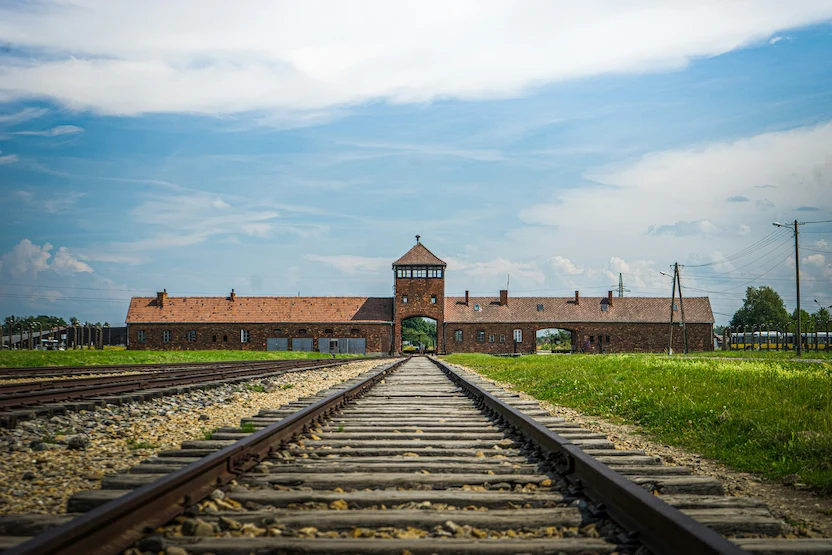
Auschwitz-Birkenau Memorial
This is one of the more difficult places to visit, but also one of the most important.
The memorial and museum at Auschwitz-Birkenau provide a direct look into one of the darkest periods in history. It is not a typical sightseeing experience.
Most people spend several hours here, moving through the site quietly.
It is something to approach with time and attention, rather than trying to fit it in quickly.
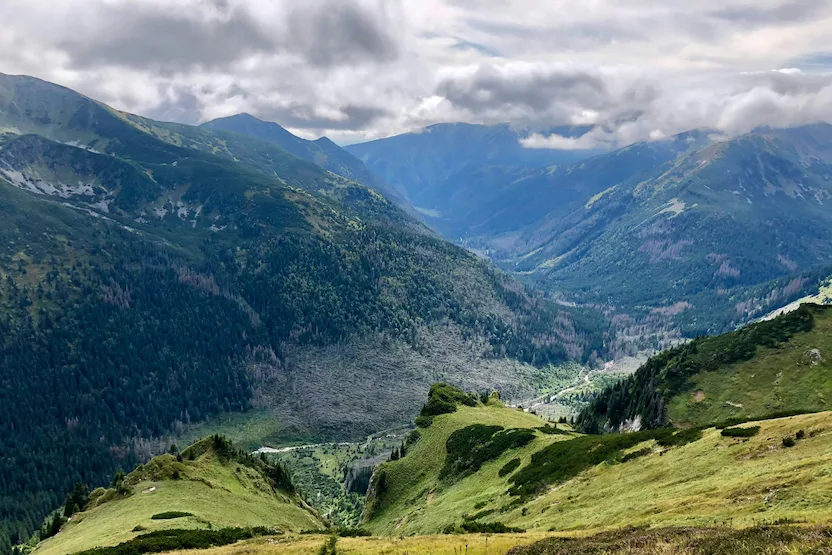
The Tatra Mountains
If you feel like getting out of the cities for a bit, this is where the atmosphere changes.
The Tatra Mountains are less about specific landmarks and more about the space around you. You go from busy streets to open views pretty quickly, and the shift is noticeable.
Planning to travel to Poland?
Get the travel insurance you need, 100% online.
Towns like Zakopane act as a base, but it does not take long before you are walking trails or just taking in the landscape without much of a plan.
It feels slower in a different way than the cities.
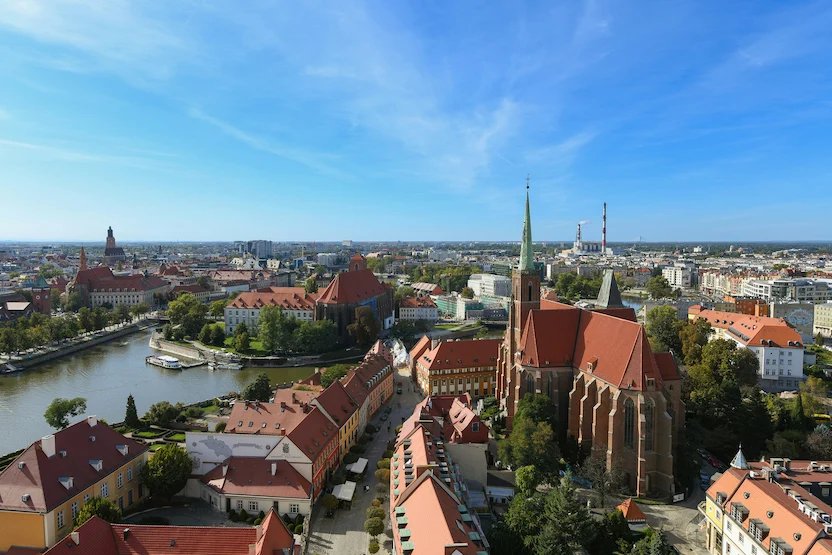
Wrocław and its details
Wrocław is often less talked about, but it tends to stand out for different reasons.
The city is built around a series of islands and bridges, which makes walking through it feel slightly different. There are small details everywhere, including the well-known dwarf statues scattered across the city.
You might not notice everything at once, but the more you walk, the more you see.
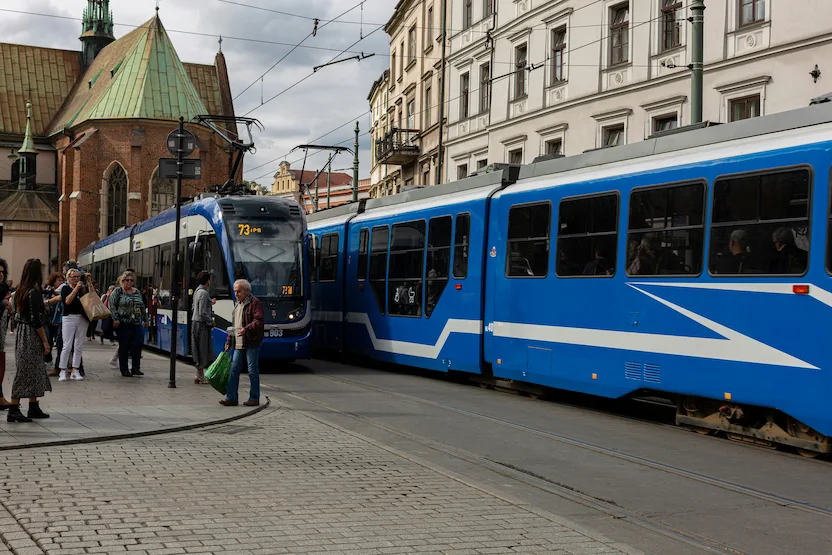
Getting around the country
Moving between cities is usually not complicated.
Trains run regularly, and buses fill in the gaps if you are heading somewhere less direct. You can book things ahead, but a lot of the time, you can just check what is running and go from there.
If you are planning to visit more than one place, it helps not to over-organize every step. Leaving a bit of room in your schedule makes the whole trip feel easier.
Small practical things
There are a few moments where it helps to pay a bit more attention.
Busy streets, central squares, or crowded attractions can feel a bit packed at times. Nothing unusual, but enough that you will want to keep an eye on your belongings when things get tight around you.
It is also worth knowing simple things like the emergency numbers in Europe. Odds are, you'll never need them, but it is one of those details that is better to have in the back of your mind.
A country that feels varied
Poland is not defined by a single place.
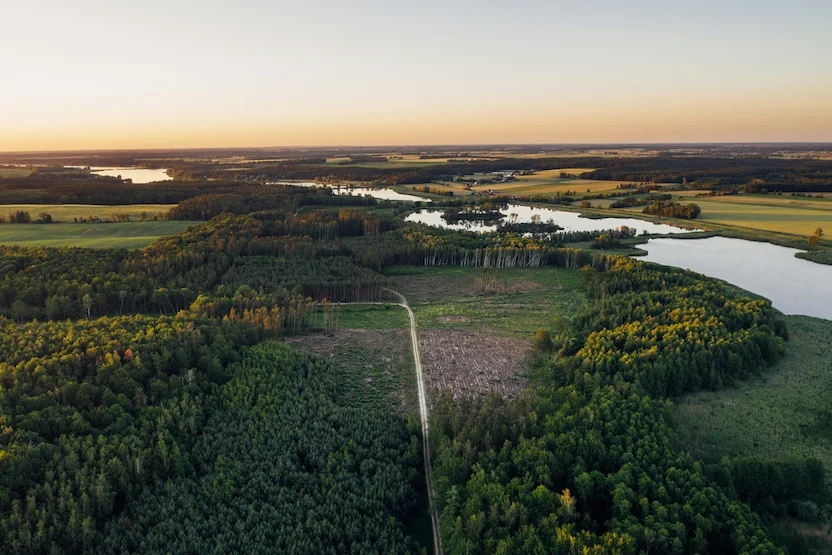
The experience comes from the contrast between cities, landscapes, and history. Moving between them changes how the trip feels from one day to the next.
You might start in a historic city, move toward the coast, then end up in the mountains without needing to travel long distances.
That variety is what tends to stay with people.
Before traveling, it is worth taking a moment to think about the practical side of your trip as well. Even when everything feels easy to navigate, unexpected situations can still happen, and having reliable travel insurance in place can make it easier to handle changes without disrupting your plans.
 Sources & references
- Internal Expertise & Review
- We're a team of travel experts and Schengen visa professionals with more than 15 years of experience. We are committed to creating and sharing relevant guides that are accurate and up-to-date about Poland travel.
- Poland travel:
- Visit Poland : Learn more about Poland
- Visit Warsaw : Learn about the city of Warsaw
- Auschwitz-Birkenau memorial and museum : Visiting the Auschwitz-Birkenau memorial and museum
- Written by:
- Savannah Sitterlé - Staff Contributor
- Fact-check and reviewed by:
- Sarah Pardi - Staff Travel Advisor
- Last updated:
- April 24, 2026
Learn more about our editorial standards and review process in our Editorial Policy.
Related posts
Upcoming travels ? Get Insured !
Find the right insurance for your trip by using our powerful comparison tool!