
Tipping in France: Why Visitors Get Confused About It
Savannah Sitterlé - May 26, 2026
Home > Travel Guide > Travel Tips & Checklists > Tipping in France: Why Visitors Get Confused About It
Share this post
Almost everybody visiting France seems to have the same moment eventually.
The bill arrives, people start reaching for cards, and suddenly somebody at the table asks:
“Wait… are we supposed to tip here?”
Then everybody gives a different answer.
Part of the confusion comes from how many strong opinions exist online about tipping in France. Some people insist you should never tip because service is already included. Others say leaving nothing feels rude. Then, travelers from the US arrive carrying completely different habits into the situation. It can be confusing to know what to pay for and what not to pay for, especially after already shelling out cash for the flights, hotels, travel insurance, so on and so forth.
Meanwhile, most cafés and restaurants in France continue operating pretty normally regardless.
Service is already built into restaurant prices
This is the main difference Americans notice first.
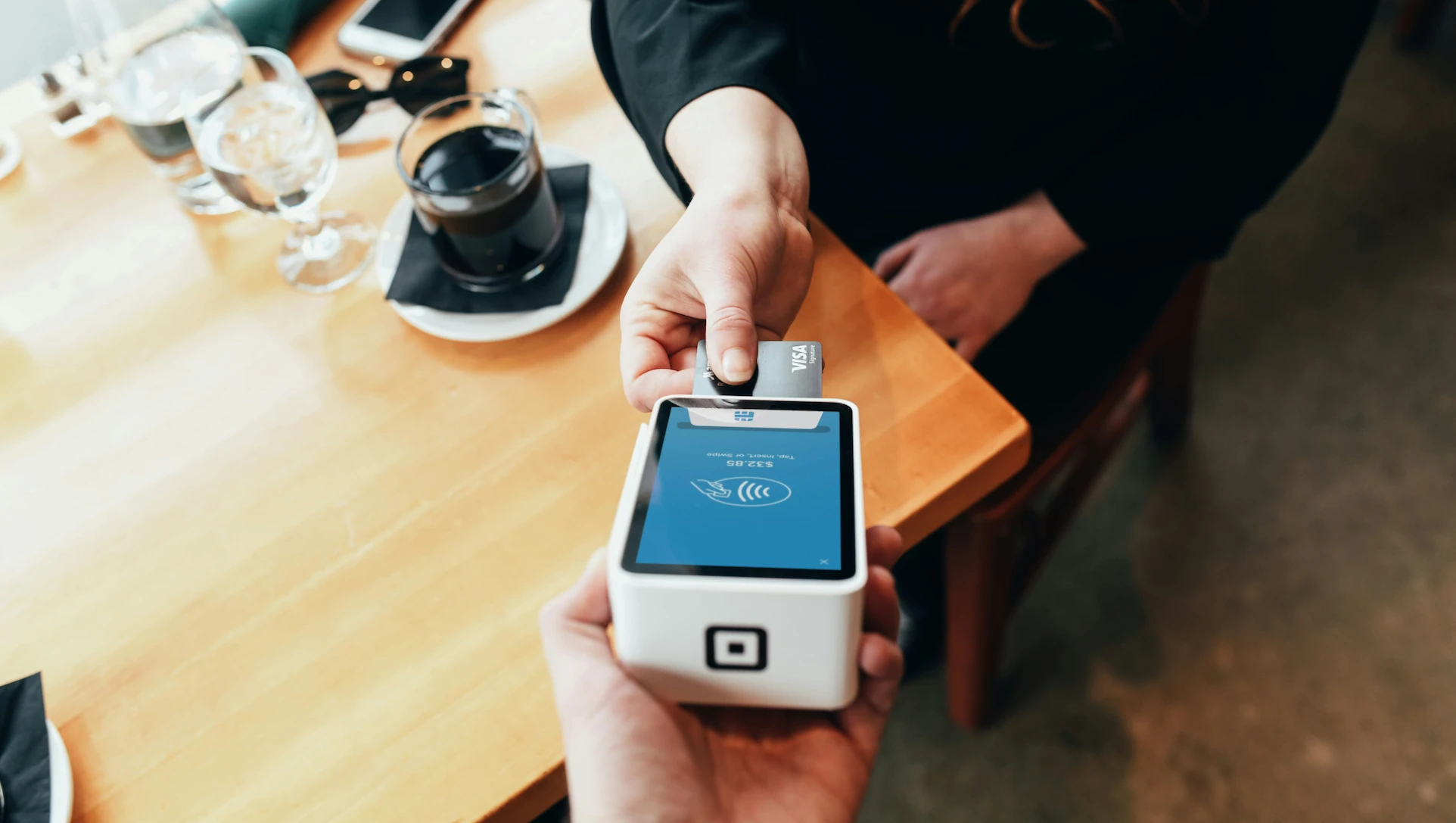
Restaurant bills in France already include service by law. You will usually see “service compris” written somewhere on the menu or receipt, although a lot of visitors never notice it until somebody points it out afterward.
Because of that, the pressure around tipping feels very different from the US.
Servers are not depending on tips in the same way many American restaurant workers are. People are generally not sitting there calculating percentages in their heads through the entire meal.
At least not locals.
People still leave extra money sometimes
This is where the conversation gets messy online.
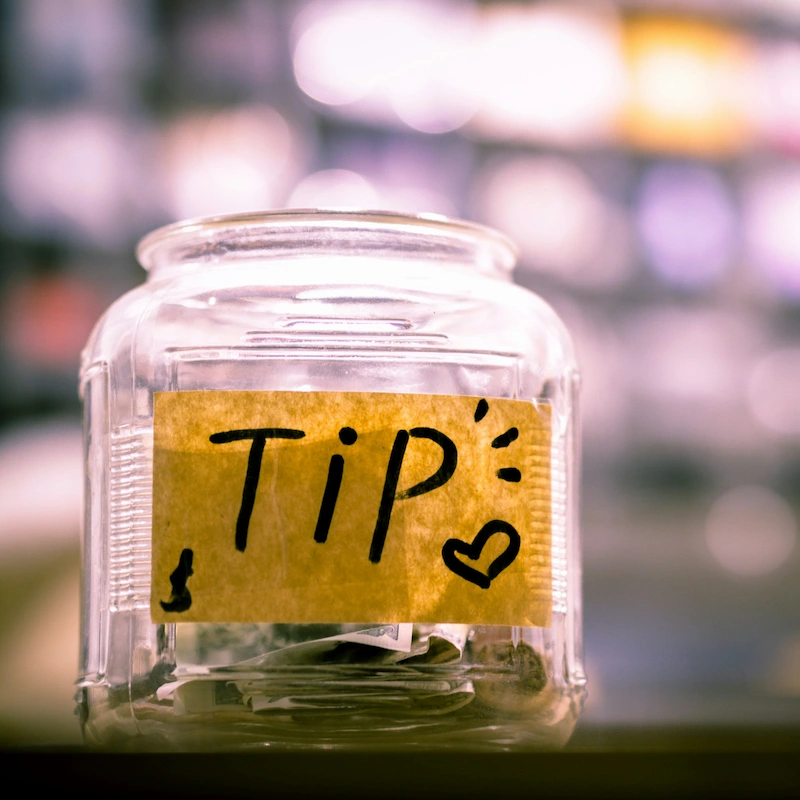
Because yes, people in France still do leave tips sometimes. Just usually smaller ones.
Coins left on the table. Rounding up a bill. Maybe a few extra euros after a long dinner or especially attentive service. It happens all the time.
But it rarely feels mandatory in the same way it often does in North America.
That is probably the biggest distinction, honestly. The atmosphere around tipping feels lighter.
Visitors usually expect more structure
A lot of tourists want a precise rule.
Ten percent. Fifteen percent. Always round up. Never round up. Something simple they can follow without thinking about it again.
France does not really work that way with tipping.
You notice pretty quickly that people handle it differently depending on the situation, the place, or honestly, just their mood that day.
Planning to travel to France?
Get the travel insurance you need, 100% online.
That uncertainty makes some visitors uncomfortable at first because they are worried about accidentally offending somebody.
Most of the time, nobody seems especially bothered either way.
Cafés feel more casual about it
This becomes obvious after a few days in Paris.
Somebody orders an espresso at the counter, drinks it quickly, leaves without tipping anything, and nobody reacts at all.
Then, at another café, somebody leaves a few coins behind automatically after sitting there for an hour.
Neither situation feels strange once you spend enough time watching how people actually behave.
The whole culture around cafés in France feels less transactional in general, which probably changes the tipping atmosphere too.
Payment machines confuse people even more now
This part definitely throws visitors off.
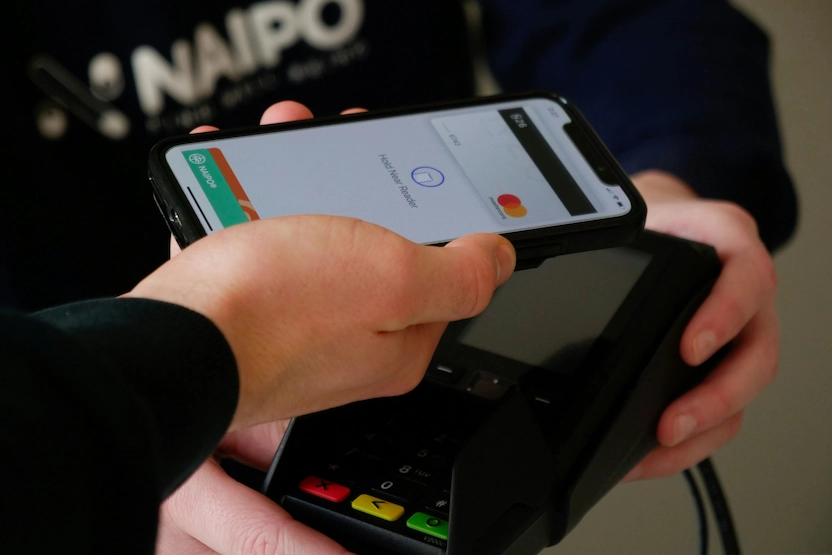
Some card machines now display tip suggestions before payment, especially in tourist-heavy areas. People immediately assume this means expectations around tipping changed dramatically.
But sometimes the software is simply standardized internationally.
You can almost see tourists panic slightly the first time the screen asks whether they want to add a tip while the server is still standing there waiting.
Meanwhile, French customers often press through those screens without even pausing.
Hotel staff and taxi drivers sometimes receive tips too
But again, usually in smaller amounts.
A taxi passenger might round up slightly. Somebody staying several nights in a hotel may leave a few euros for housekeeping before leaving.
Tour guides receive tips fairly often because many of their clients are international visitors already used to tipping cultures elsewhere.
Still, the overall feeling stays much less percentage-driven than in the United States.
Paris feels different from smaller places
This matters too.
In heavily visited parts of Paris, workers interact with tourists from everywhere constantly. Different countries bring completely different tipping habits, so people working in restaurants and hotels already expect variation.
Nobody is likely to react dramatically because somebody tipped “wrong.”
The internet makes it sound much more stressful than it usually feels in real life.
Small travel costs start adding up quietly
People often notice this around the same point in the trip.
A coffee here, metro tickets there, small restaurant bills throughout the day, then suddenly the overall spending feels higher than expected by the end of the week.
Paris tourist taxes surprise some visitors, too, especially when they only notice them during hotel check-in.
None of it feels huge individually. It just accumulates faster than people expect at first.
Most visitors relax about it eventually
That is probably what happens more than anything else.
At the beginning of the trip, people worry constantly about whether they are doing things correctly. A few days later, they realize the atmosphere around tipping in France feels much less rigid than they imagined before arriving. By that point, most people are paying less attention to every small practical detail and more attention to simply enjoying the trip itself, whether that is figuring out café culture, navigating Paris, or already having things like travel insurance sorted beforehand.
You stop analyzing every receipt so carefully.
And honestly, everybody around you usually seems pretty relaxed about it too.
Related posts
Upcoming travels ? Get Insured !
Find the right insurance for your trip by using our powerful comparison tool!