

Flying to Europe from the US: What to Know Before You Go
Savannah Sitterlé - June 2, 2026
Home > Travel Guide > Travel Tips & Checklists > Flying to Europe from the US: What to Know Before You Go
Share this post
Long flights always sound manageable until you are actually on one.
The idea of getting from the US to Europe in a single stretch seems simple enough. Then you realize it usually means several hours in the air, limited space, and trying to arrive feeling somewhat functional on the other side.
It is not difficult, but a bit of preparation changes the experience quite a bit.
Before your trip, it is also worth checking a few entry and travel requirements, including whether systems like the ETIAS or the newer EES for Europe apply to your travel plans.
Once you are on the plane, most of it comes down to how well you handle the time in between.

Choosing flights that make sense for you
Not all long-haul flights feel the same.
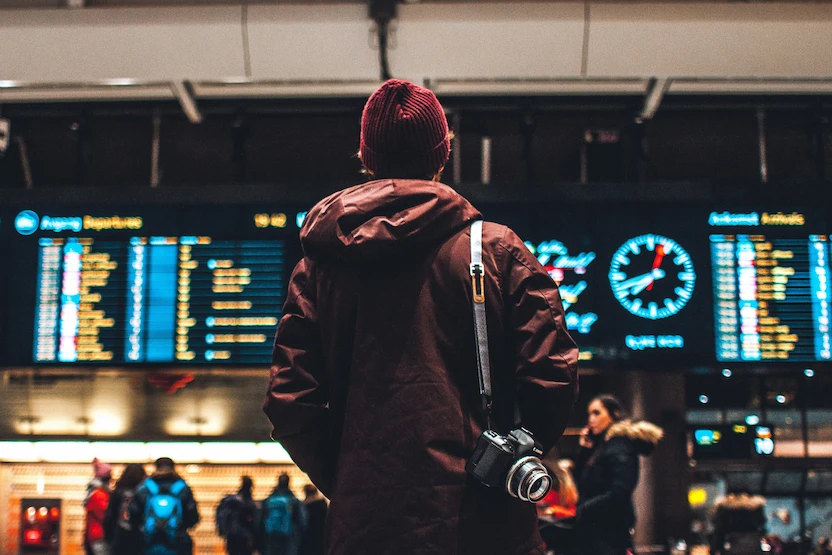
Overnight flights are common when traveling to Europe from the US, and while they seem efficient, they do not work for everyone. Sleeping on a plane is unpredictable, and arriving early in the morning without rest can make the first day harder than expected.
Some people prefer this approach, others find it easier to arrive later in the day.
It is less about what is considered “best” and more about what you know works for you.
Give yourself enough time for layovers
Layovers are where things can get stressful if they are too tight.
Airports in Europe can be large, and depending on where you land, you may need to go through passport control before your connecting flight. That takes time, especially during busy hours.
If your connection is too short, you end up rushing. If it is slightly longer, the experience is much easier.
It is one of those details that does not seem important until it is.
What to bring on the flight
Packing for a long flight is different from packing for the trip itself.
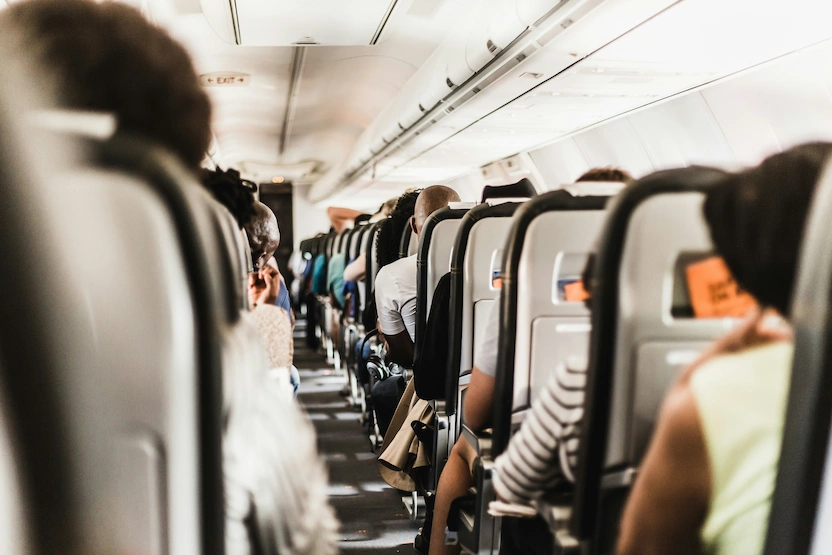
You want a few things easily accessible. Headphones, something to help you sleep, water, and a light layer since cabin temperatures can change.
It does not need to be a long list, but having the basics within reach makes a noticeable difference over several hours.
Planning to travel to Europe
Get the travel insurance you need, 100% online.
Screens, snacks, and small comforts tend to matter more than you expect once you are in the air.
Staying comfortable in a small space
Long flights are mostly about managing discomfort.
Seats are limited in space, and there is not much you can change about that. What you can do is adjust how you sit, stretch when possible, and avoid staying in the same position for too long.
Getting up occasionally, even just to stand for a few minutes, helps more than people think.
It is a small thing, but over several hours, it adds up.
Hydration and jet lag
Jet lag is one of the main things people notice after landing.
Crossing time zones affects your sleep more than the flight itself. Drinking enough water and adjusting your schedule slightly before departure can help, even if only a little.
Caffeine and alcohol tend to make things worse during the flight, even if they seem like a good idea at the time.
Once you land, staying awake until the evening usually works better than trying to sleep right away.
Always consult a medical professional when it comes to your health and wellness.

Arriving in Europe
The arrival process is usually straightforward, but it can take time.
Passport control lines vary depending on the airport and time of day. Some move quickly, others do not.
With the newer EES for Europe border system now rolling out across the Schengen Area, some travelers may also go through biometric checks such as fingerprint or facial image collection when arriving or departing.
After that, you still need to collect luggage and make your way into the city.
Planning how you will leave the airport in advance helps. Trains, taxis, or airport transfers all work, but knowing your option ahead of time avoids unnecessary stress.
Learn more about biometric passports here.
Small practical details
There are a few things that are easy to overlook before a long trip.
Signing up for programs like the Smart Traveler Enrollment Program can be useful, especially if you want to stay informed while traveling abroad.
It is also worth being aware of small differences once you arrive, even things like local environments or seasonal changes, which can affect how comfortable you feel during your trip.
Most of these are minor, but they add up if you are not expecting them.

A long flight is part of the trip
It is easy to think of the flight as something to get through.
But in a way, it sets the tone for everything that follows.
If you arrive exhausted, everything feels harder. If you arrive slightly rested and prepared, the transition is much smoother.
You do not need to optimize every detail. Just enough to make the experience easier.
Before traveling, it is also worth taking a moment to think about the practical side of your trip. Even well-planned flights can be delayed or changed, and having reliable travel insurance in place can make it easier to deal with unexpected situations while you are abroad.
 Sources & references
- Internal Expertise & Review
- We're a team of travel experts and Schengen visa professionals with more than 15 years of experience. We are committed to creating and sharing relevant guides that are accurate and up-to-date about European travel.
- European Travel
- US Travelers in Europe : A guide for U.S. citizens traveling in Europe
- Traveling to Europe : The official website of the European Union
- Written by:
- Savannah Sitterlé - Staff Contributor
- Fact-check and reviewed by:
- Sarah Pardi - Staff Travel Advisor
- Last updated:
- June 2, 2026
Learn more about our editorial standards and review process in our Editorial Policy.
Tags
Related posts


Upcoming travels ? Get Insured !
Find the right insurance for your trip by using our powerful comparison tool!