

Home > Travel Guide > Travel Tips & Checklists > How to Travel Europe on a Budget in 2026
Share this post
While Europe might seem out of reach if you’re a traveller on a budget, the continent can actually be more accessible than you might think if you plan ahead and stay strategic in where and what you do.
There are the usual things you have to consider, like flights, hotels, and travel insurance, but there are still ways to cut costs here and there.
We put together a guide of some of our best tips on how to enjoy your trip without breaking the bank.
Navigate the where and the when
With more than 40 countries in Europe, the cost of a trip can drastically vary depending on where you spend the bulk of your time.
A country like the UK or France, especially in capital cities like London or Paris, can easily eat through your budget.
Planning more days in smaller, less touristed countries and cities can often save you hundreds in accommodations and food costs, both of which can quickly add up depending on the length of your trip.
When you go also matters. Hotels tend to be more pricey in the high summer season in many European cities. Plus, you’re more likely to be standing in long lines for popular tourist attractions, and may miss out on tickets entirely if they sell out early.
Consider going in the shoulder seasons, spring or fall, where the weather is still nice, crowds are a bit thinner, and costs tend to be lower for everything from hotel rooms to walking tours.
If you’re considering a multi-country trip, it can make sense to combine a more expensive city or destination with one that is less expensive to balance out your costs. Think combining Paris and Warsaw, or Barcelona and Lisbon.

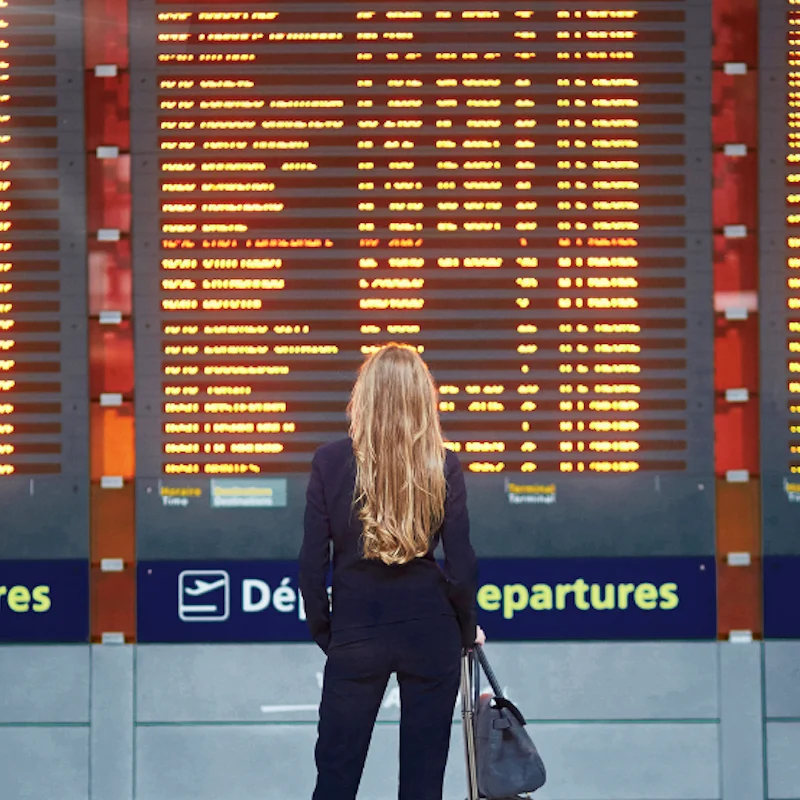
Shop around for flights
Give yourself plenty of time to research flights in advance. Not only do prices tend to be cheaper if you book four to six months in advance, you can also track deals flying into certain hubs. Once you’re in Europe, flights between cities are significantly less expensive than ones from abroad, so you can often fly into a less-expensive hub with a major international carrier, and then take a budget airline to your next destination.
Keep an eye on what you’re actually getting when you find that super-cheap fare. Sometimes the cheapest flights are a basic economy class that won’t include baggage or seat fees, and limit the ability to get a refund or rebook. Those fees can quickly add up, so read through the restrictions before you book.
Sleep smart
Europe has a range of accommodation types from the most bare-bones bunk-style hostels to luxurious five-star resorts. Depending on the length of your stay, this can be one of the most expensive categories of your trip spend, so it’s worth weighing trade-offs in order to find a place that offers a mix of comfort, convenience, and cost.
Most cities in Europe have clean, reliable, and affordable public transportation, and technology makes navigating metro lines easier than ever (even when you don’t speak the language), so consider booking a place that might be farther out than the immediate city centre, but still close to a metro or bus stop.
If you’re planning on booking an extended trip, consider a short-term home rental. Having a fridge and a kitchen can drastically save on meal costs, which can make a dent in the budget when you’re eating out for every meal.

Eat like a local
While Europe has some incredible Michelin-starred restaurants that might be worth trying if you’re a foodie, you can also save money on meals by planning ahead. See if any of your wishlist restaurants have lunch specials, which can often be significantly less expensive than the equivalent dinner.
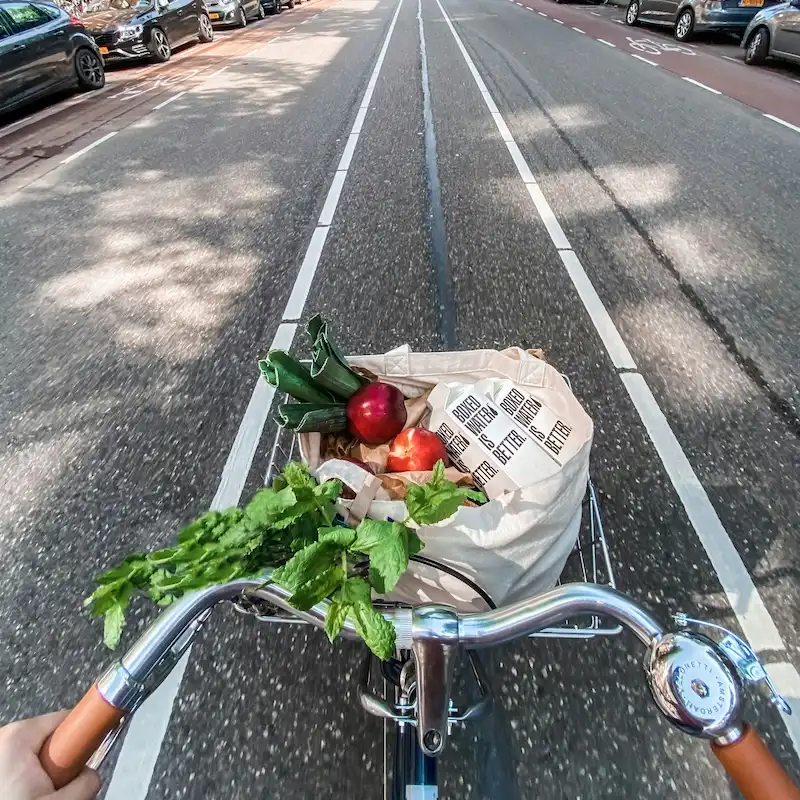
Planning for a few picnic lunches by shopping in a European grocery store can be both a fun cultural experience and a cost-saving measure. Grab a few key ingredients for making sandwiches, or cheese and meat for an easy charcuterie plate, and take it to eat in a park.
Get around for less
Train travel can also be a cost-efficient way to get between cities in Europe. You’ll often find better fares if you book in advance. Getting a Eurail pass can make sense if you plan on doing a lot of intercity travel, and allows unlimited train travel for a set number of days.
While ride-sharing services or taxis may be convenient, it can be a lot cheaper to take public transportation or walk to where you’re going. If you have a rough itinerary, map out the distance between spots and see if walking or transit can connect you for less.
Before You Pack Your Bags...
Get the travel insurance you need, 100% online.
Find the free entertainment
Europe has no shortage of free festivals and free museums, or free museum days, that you can take advantage of, even as a tourist. If there are certain spots you know you want to get to, research in advance to see if you can overlap your trip with a free day (for instance, the Louvre Museum in Paris is free the first Friday of every month in offseasons, but be sure to register for tickets in advance).
Check city websites to see what events might be going on, which can often be a source of entertainment and offer a peek at the local culture and what’s important to them. Churches and cathedrals, especially in less-visited European cities, often also allow free entry or a suggested donation, and can give a glimpse into beautiful architecture and a city’s history.

Watch the small stuff
Before a trip to Europe, you might consider signing up for a travel credit card, which often waives foreign transaction fees. These fees, which apply when converting currency, can quickly add up when you’re using a card for every transaction.
While you may be tempted to convert currency at the airport, local ATMs are often cheaper, and you can even go to your local bank before leaving for better rates. Having a bit of cash on hand can be helpful for tips and small expenses.
Keep in mind that tipping norms in Europe are often less than in countries like the US. A 5 to 10% tip or rounding up your bill is typical here, or leaving some cash on the table (many credit card readers won’t give you an option to tip).
While it's unavoidable, many cities in Europe have tourist taxes that you'll need to budget for.
Stay on track
A budget can quickly get away from you when you’re on vacation and enjoying your time. It can make sense to keep an active trip cost tracker to see where you stand, and check in mid-trip to see if you need to scale back on daily expenses like meals or activities.
No matter what your budget, a trip to Europe can be a trip of a lifetime. Building the groundwork ahead of time and knowing what you’re spending and where can let you really relax once you’re actually on the ground, so you can make the most of your vacation.
Related posts



Upcoming travels ? Get Insured !
Find the right insurance for your trip by using our powerful comparison tool!