
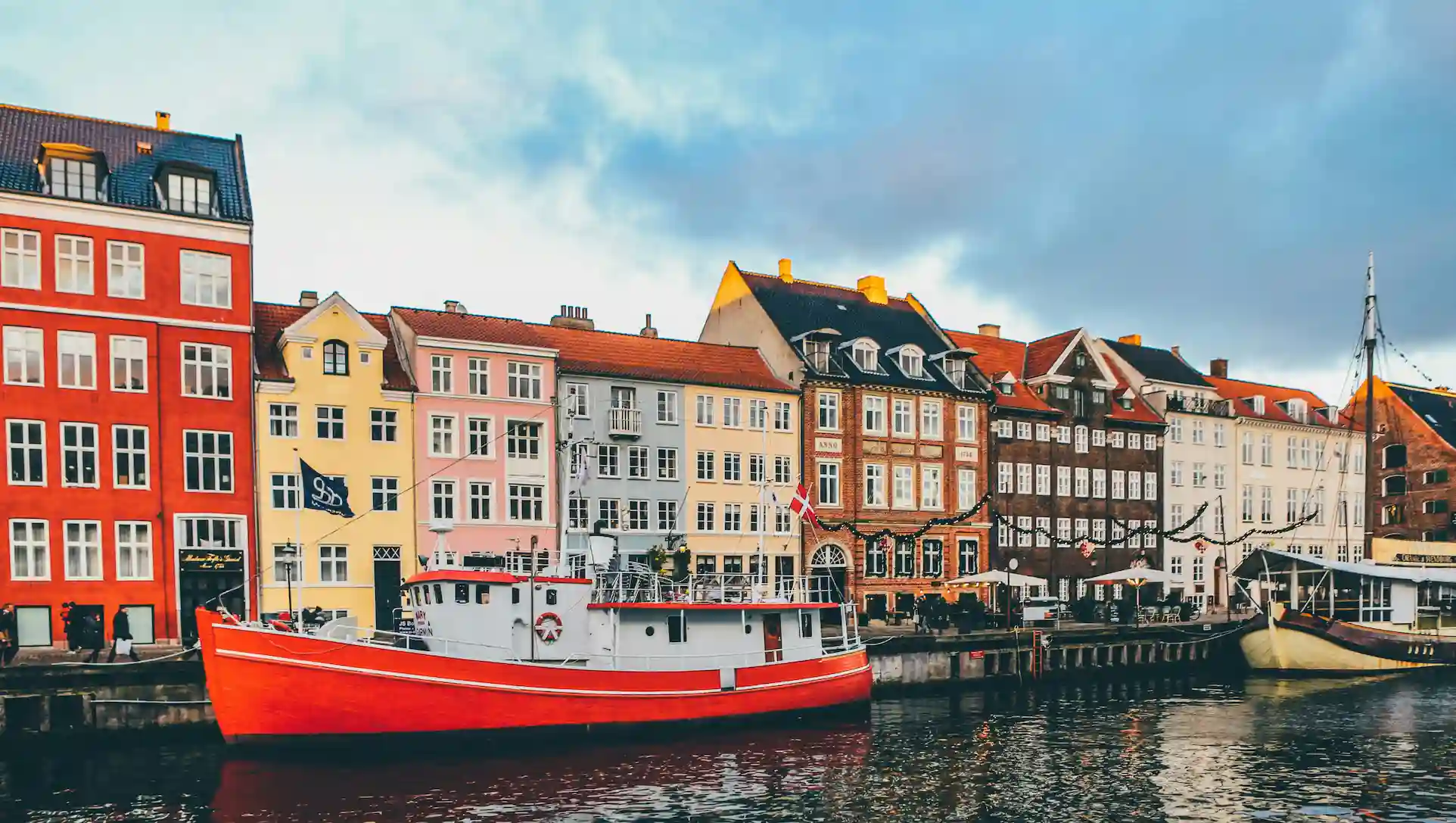
What Tourists Actually Enjoy Doing in Copenhagen: 2026 Edition
Savannah Sitterlé - May 26, 2026
Home > Travel Guide > Travel Ideas & Inspiration > What Tourists Actually Enjoy Doing in Copenhagen: 2026 Edition
Share this post
Copenhagen feels very organized at first.
Not in a cold way exactly. Just… functional. Trains arrive when they are supposed to. Bike lanes actually work. People somehow move around the city without constantly bumping into each other or rushing everywhere.
Then, after a couple of days, you stop noticing the “efficient” part and start paying attention to everything else instead.
The cafés that stay full for hours. The canals. The fact that people genuinely seem comfortable sitting outside, even when the weather is questionable.
It ends up feeling calmer than most visitors expect from a capital city.
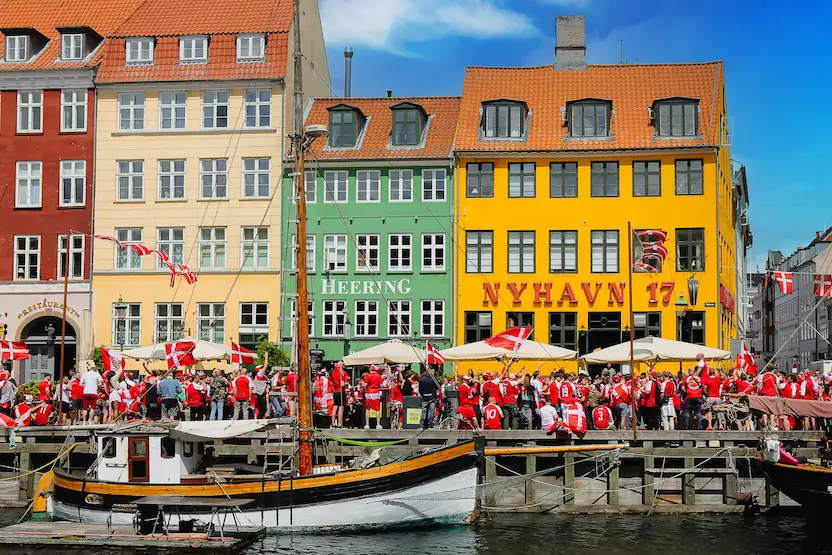
Nyhavn is touristy, and people still like it anyway
Usually, this is one of the first stops.
The colorful buildings along the canal are exactly where everybody takes photos, and yes, it gets crowded. Especially once the middle of the day hits.
Still, most visitors end up staying longer than planned there.
Partly because the waterfront is actually nice to sit around for a while. Partly because Copenhagen in general seems built for lingering longer than people originally intend to.
Early mornings feel completely different there, though. Much quieter.
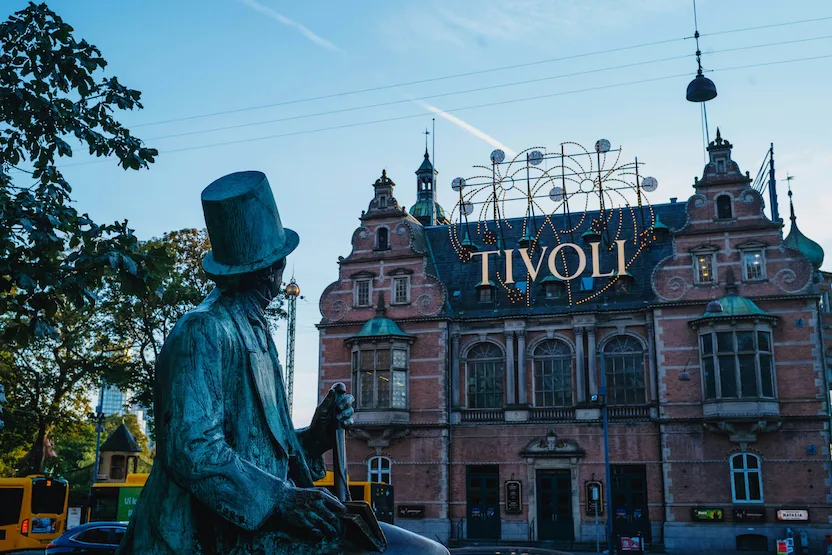
Tivoli feels less like a normal amusement park
This surprises people.
On paper, Tivoli Gardens sounds like somewhere you visit mainly for rides or children. Then nighttime comes around and the atmosphere changes completely.
Lights switch on everywhere, music drifts through different areas of the park, and suddenly adults without kids are staying just as long as everybody else.
It feels older than most amusement parks somehow. Less artificial maybe.
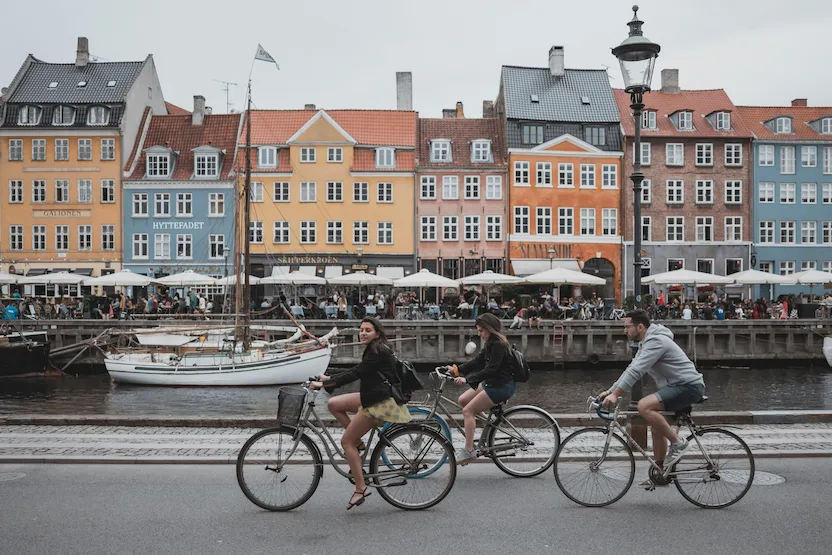
People in Copenhagen really do bike everywhere
This part is not exaggerated online.
At some point, visitors realize the bikes are not just “part of the culture” in a symbolic sense. They are how a huge number of people actually move through the city every day.
And locals bike fast.
Tourists usually learn pretty quickly not to stop randomly inside bike lanes after getting a few irritated looks.
Walking still works perfectly well, though. A lot of central neighborhoods connect naturally enough that you end up wandering between them without planning much.
The city gets expensive faster than expected
This is probably the most common thing people mention after returning home.
Nothing feels outrageously expensive at first. Then, after several days of coffees, dinners, pastries, transport, and random stops during the afternoon, the total starts adding up more quickly than people expected beforehand.
Especially for visitors coming from southern Europe.
Planning to travel to Denmark?
Get the travel insurance you need, 100% online.
A lot of travelers end up balancing things naturally by mixing restaurants with bakeries, grocery stores, or food halls instead of eating every meal sitting down. People already planning on traveling Europe on a budget usually adjust to Copenhagen faster because they expect Scandinavian prices before arriving.
Some neighborhoods feel better once you slow down
Christianshavn especially changes depending on how quickly you move through it.
If you rush around trying to check landmarks off a list, it can just feel quiet. Then suddenly you slow down a little, walk along the canals for longer, stop somewhere for coffee, and the whole atmosphere makes more sense.
Copenhagen feels surprisingly good at rewarding people who do less.
That sounds vague, but it becomes obvious after a couple days there.
Weather changes the mood of the city constantly
The same street can feel completely different depending on the weather.
Sunny evenings make the waterfront feel busy and open. Rain pushes everybody into cafés. Winter changes the entire rhythm again once the days get shorter.
People visiting from North America usually realize fairly quickly that the stressful part was mostly the anticipation beforehand rather than the trip itself. After finally flying to Europe from the US, most visitors settle into Copenhagen faster than they expected.
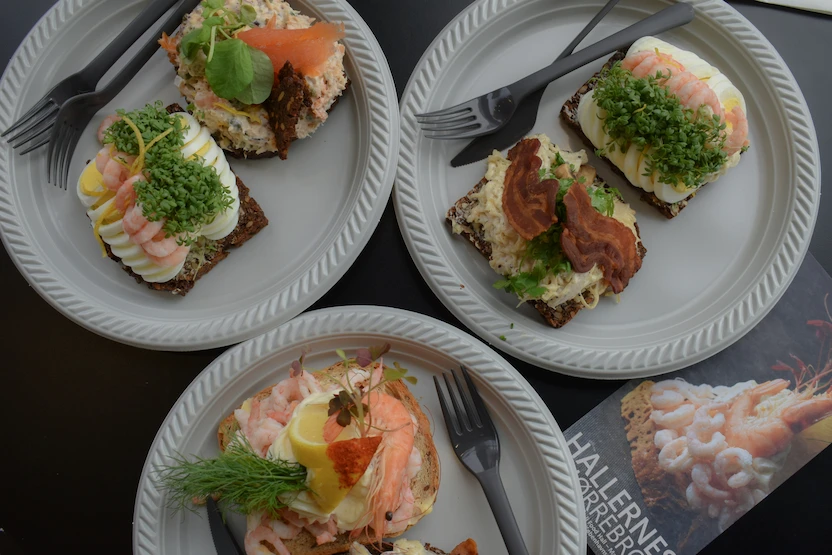
Food halls end up being more useful than planned
Places like Torvehallerne start as quick stops and somehow turn into places people keep returning to throughout the trip.
Partly because the food is good. Partly because sitting down somewhere warm after walking for hours suddenly sounds better than another formal dinner reservation.
You can try smørrebrød, pastries, seafood, coffee, all without turning the whole thing into a long restaurant experience.
That balance works well in Copenhagen.
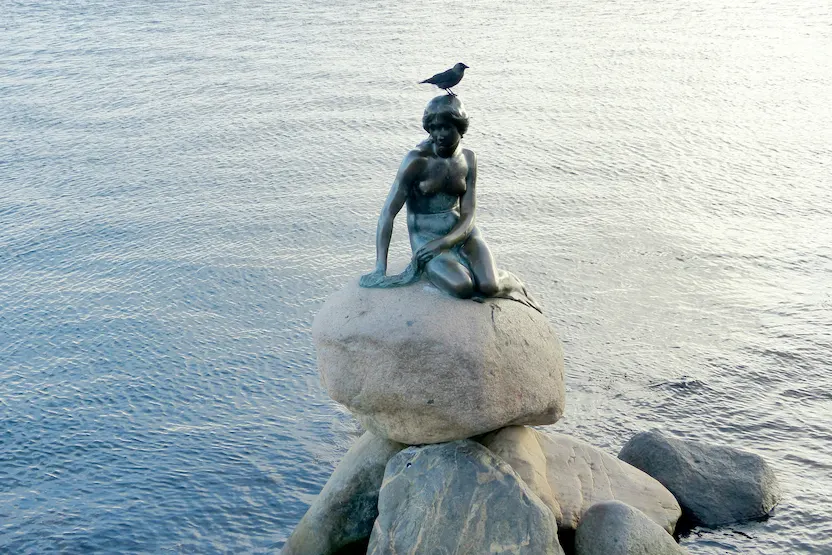
The little mermaid confuses people slightly
This happens almost every day.
Visitors walk over expecting something larger, then stand there for a second realizing the statue is much smaller than it looked online.
Nobody seems angry exactly. More surprised.
Still, people keep going because the walk along the waterfront getting there is actually one of the nicer parts anyway.
Even busy areas rarely feel too aggressive
That is probably one of the bigger differences people notice compared to other European capitals.
Copenhagen still gets crowded obviously, especially during summer, but the city rarely feels chaotic in the same way some larger tourist destinations do.
Even late in the evening, the atmosphere stays relatively relaxed. Bikes continue moving through the streets quietly, people sit outside longer than expected, and everything somehow feels calmer than the number of people around should allow.
Small practical things end up mattering more
After enough walking, visitors usually start thinking less about attractions and more about comfort.
Shoes matter. Layers matter. Weather changes faster near the water than people expect. And after moving through enough unfamiliar cities, a lot of travelers prefer already having practical things like travel insurance sorted before the trip rather than thinking about it halfway through.
It is also useful saving basic emergency numbers in Europe somewhere accessible before traveling. Hopefully you never need them, but most people would rather already have the information than search for it later in another country.
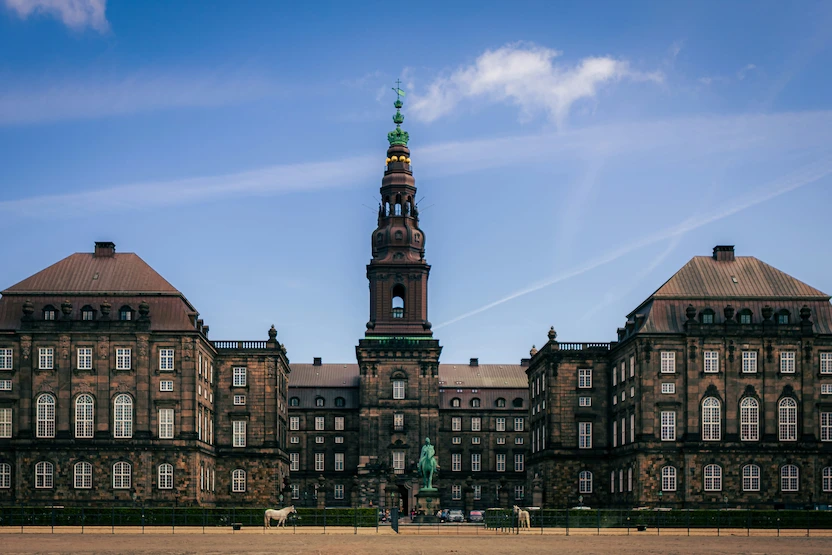
Copenhagen usually grows on people slowly
That is probably the best way to describe it.
The city does not always overwhelm visitors immediately with giant landmarks or nonstop activity. Instead, people usually start appreciating it more after settling into the pace for a couple of days.
Longer coffees. Slower evenings. Walking without really needing a destination for a while.
By the end of the trip, a lot of visitors end up understanding why people come back there repeatedly.
 Sources & references
- Internal Expertise & Review
- We're a team of travel experts and Schengen visa professionals with more than 15 years of experience. We are committed to creating and sharing relevant guides that are accurate and up-to-date about Denmark travel.
- Denmark Travel
- Visit Denmark : Tourism in Denmark
- Visit Copenhagen : Learn more about tourism in Copenhagen
- Written by:
- Savannah Sitterlé - Staff Contributor
- Fact-check and reviewed by:
- Sarah Pardi - Staff Travel Advisor
- Last updated:
- May 26, 2026
Learn more about our editorial standards and review process in our Editorial Policy.
Related posts
Upcoming travels ? Get Insured !
Find the right insurance for your trip by using our powerful comparison tool!