
Running With The Bulls 2026: Before You Decide To Go
Savannah Sitterlé - May 13, 2026
Home > Travel Guide > Travel Planning > Running With The Bulls 2026: Before You Decide To Go
Share this post
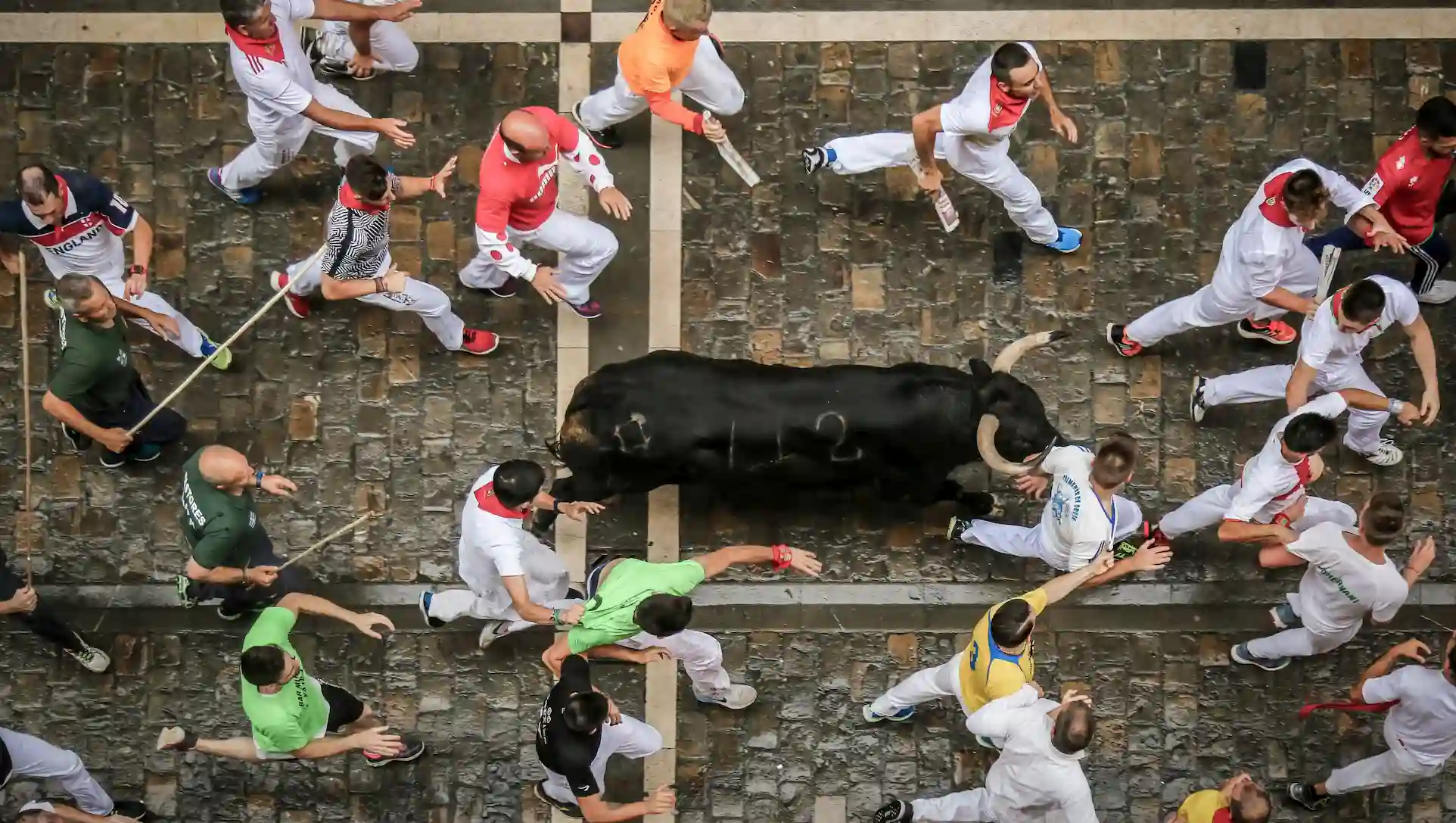
People talk about the Running of the Bulls like it is one single moment.
It is not really like that once you are there.
The actual run happens quickly. Weirdly quickly considering how famous it is. Most of the experience is everything around it instead. The noise late at night, people packed into tiny streets at eight in the morning, the feeling that the entire city is running on almost no sleep for over a week.
Pamplona during San Fermín feels messy in a way that somehow still works.
And even people who arrive saying they are “just there to watch” usually end up caught up in it after a day or two.
And just a quick reminder, many people need to get a visa for Spain to even experience the festival at all. So don't forget to check before you plan your trip.
The festival starts before the bulls do
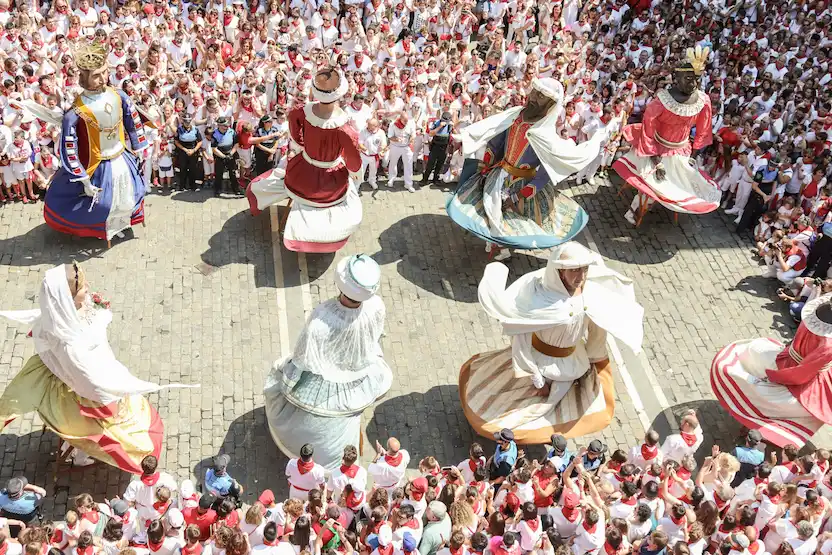
San Fermín officially begins on July 6 and runs until July 14.
But honestly, after you arrive, the dates stop mattering very much. Days start blending together pretty quickly there.
You stay out later than intended, wake up earlier than expected because crowds are already outside, then somehow repeat the whole thing again the next day.
Even walking through the city early in the morning feels strange during the festival. Some people are just going home while others are already gathering for the run.
The run feels different in person
Videos flatten everything.
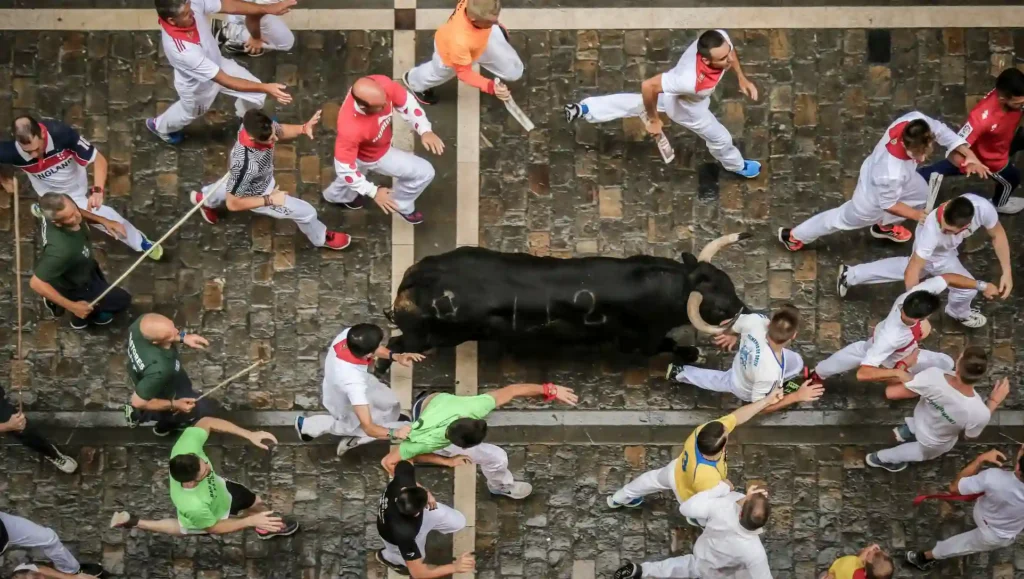
In real life, the streets feel narrower. The barriers feel lower. And the speed catches people off guard.
Before it begins, there is this long stretch where everybody is waiting, but nobody really knows what to do with themselves. Some runners look confident right until the last minute. Others suddenly look like they regret being there at all.
Then the crowd reacts all at once and the whole atmosphere changes immediately.
A few minutes later, it is over.
That part almost feels confusing the first time you see it.
Most visitors never run
A lot of people imagine the festival as thousands of tourists trying to join the route.
It is actually nowhere near that.
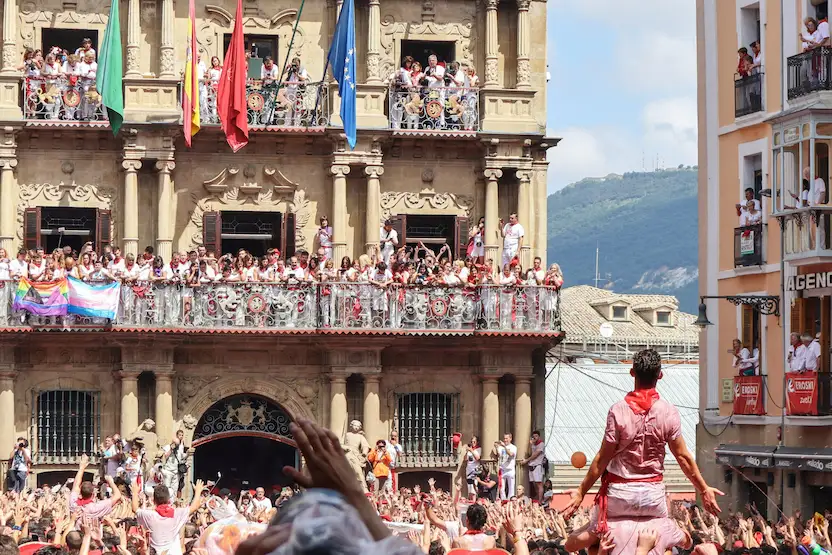
Most people stay behind the barriers or watch from balconies above the streets. And honestly, even that already feels intense enough once everything starts moving.
You still hear the shouting. You still feel the crowd pushing forward trying to see what is happening. Sometimes you barely even know where to look first.
The atmosphere around the event ends up becoming more memorable than the run itself for a lot of visitors.
The white clothing is not optional anymore
At first the traditional outfits seem almost theatrical.
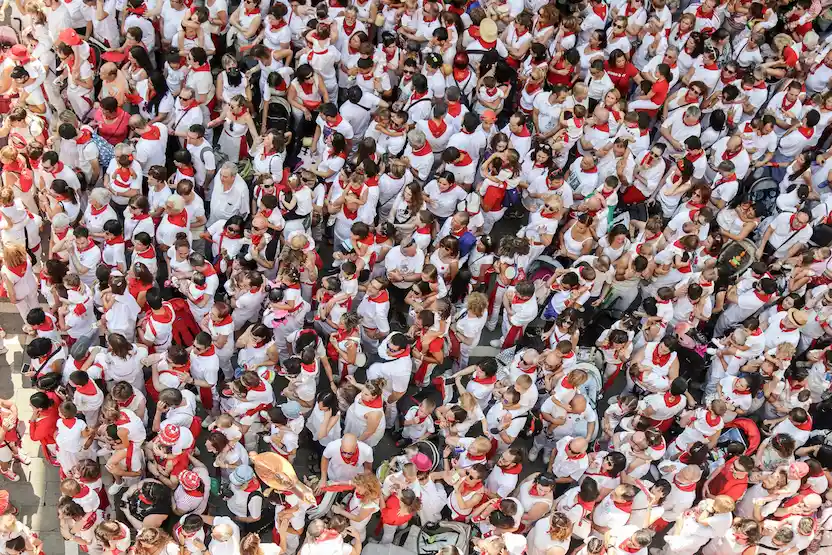
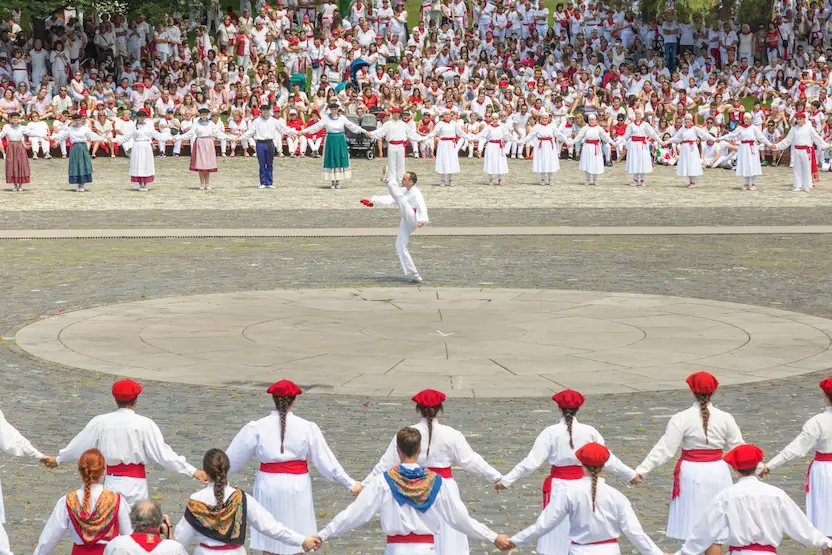
Then after a few hours in Pamplona, you realize nearly everybody is dressed the same way and your brain just accepts it immediately.
White clothes. Red scarf.
That is basically it.
Planning to travel to Spain?
Get the travel insurance you need, 100% online.
The bigger thing people underestimate is footwear. You end up walking constantly during the festival, sometimes because streets are blocked off and sometimes because moving through crowds takes longer than expected.
Everything takes longer during the festival
This becomes obvious pretty fast.
A street that normally takes five minutes to cross suddenly takes twenty because nobody is really moving anymore. Restaurants fill up earlier. Small stores get crowded. Sometimes you stop somewhere intending to stay ten minutes and accidentally stay an hour because leaving feels harder than remaining where you are.
Pamplona itself is not especially large, but during San Fermín it starts feeling compressed.
Balcony views completely change the experience
People who watch from balconies usually understand the route much better afterward.
From above, you can actually see how tight some sections are. You notice how quickly runners run out of space once the bulls come through.
From street level, it mostly feels loud and fast.
From above, it looks genuinely dangerous.
The heat slowly wears people down
Nobody really talks about this part enough beforehand.
By afternoon, especially after spending hours outside in packed streets, people start looking noticeably slower. Shade suddenly becomes valuable. Sitting down starts sounding like the best idea anyone has suggested all day.
Locals seem more used to it.
Visitors usually figure it out after accidentally overdoing the first couple of days.
Crowds change how people act
Once cities get crowded enough, everybody starts paying attention to different things automatically.
You check whether your phone is still in your pocket more often. You notice your bag after strangers bump into it enough times. Nothing dramatic necessarily, just the normal reality of huge public events packed into smaller streets.
It is also smart saving basic emergency numbers in Europe somewhere accessible before the trip. Most people never use them, but it is easier already having the information than trying to search for it later if something unexpected happens.
Nights in Pamplona barely feel real sometimes
This is probably the hardest part to explain properly.
At certain hours the city feels unbelievably loud and crowded, then suddenly you turn into another street and everything becomes quiet for a minute before the noise starts again somewhere else.
People lose track of time there pretty quickly.
You see somebody drinking coffee at sunrise and honestly cannot tell whether they just woke up or never went to sleep.
After a few days, normal schedules stop making much sense.
Before traveling, it is worth sorting practical things ahead of time too. Festivals this crowded usually come with delays, packed transport, and last minute changes somewhere along the way. Having travel insurance already arranged beforehand makes the whole trip easier to deal with if something unexpected interrupts your plans.
 Sources & references
- Internal Expertise & Review
- We're a team of travel experts and Schengen visa professionals with more than 15 years of experience. We are committed to creating and sharing relevant guides that are accurate and up-to-date about Spain travel.
- Pamplona Travel
- Bull Run Pamplona 2026 : Official 2026 schedule for the Pamplona bull run
- Written by:
- Savannah Sitterlé - Staff Contributor
- Fact-check and reviewed by:
- Sarah Pardi - Staff Travel Advisor
- Last updated:
- May 13, 2026
Learn more about our editorial standards and review process in our Editorial Policy.
Related posts


Upcoming travels ? Get Insured !
Find the right insurance for your trip by using our powerful comparison tool!