
Home > Travel Guide > Travel Ideas & Inspiration > A Guide to Cologne, Germany
Share this post
Cologne is not a city that tries to feel perfect.
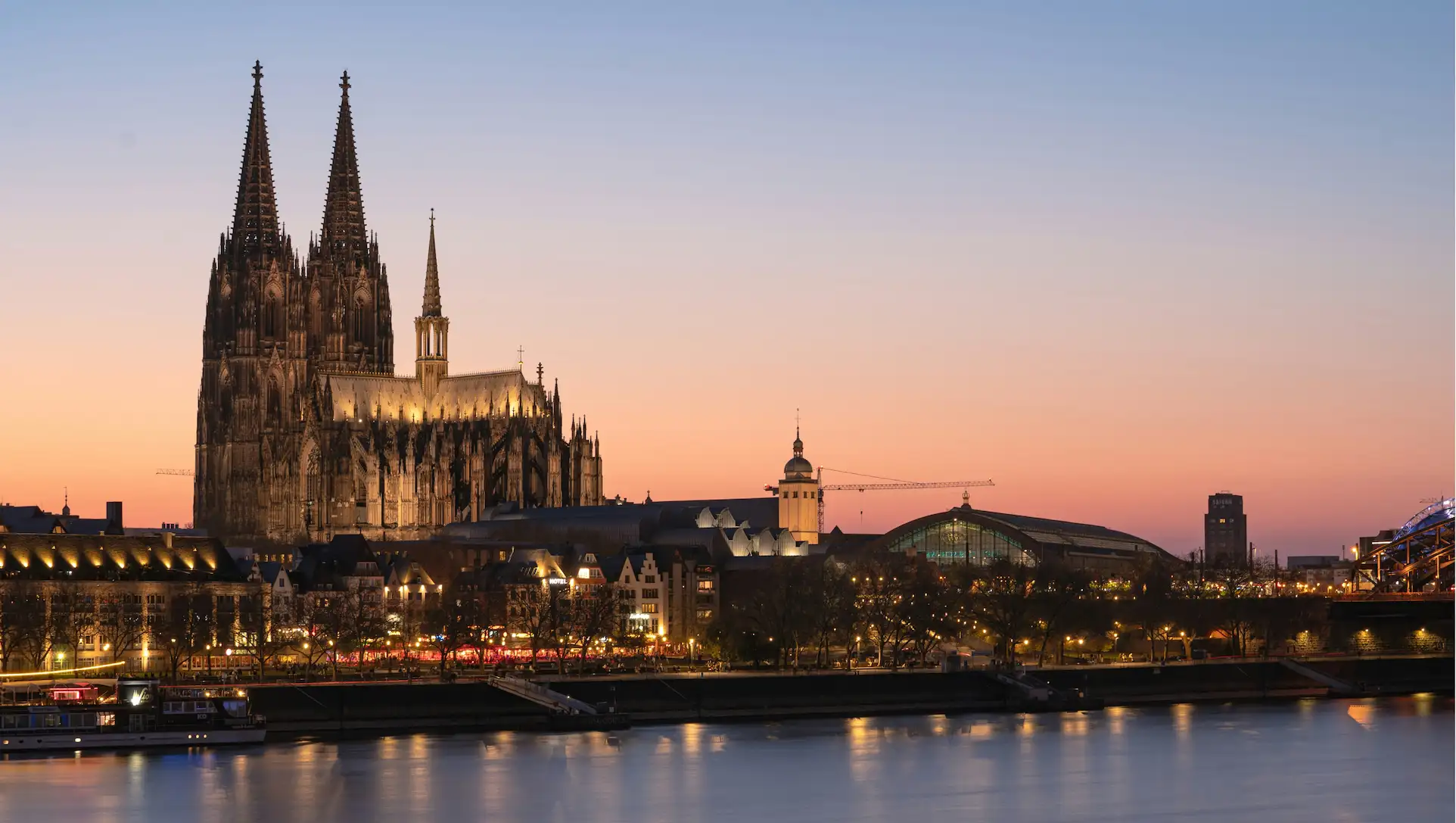
It is a bit more mixed than that. Old buildings next to newer ones, busy streets that suddenly open into quieter spaces, a cathedral that completely dominates the skyline no matter where you stand.
At first, it can feel slightly unstructured. Then you start to understand how it fits together.
If you are planning a trip, it is worth sorting a few things before you arrive, including checking the entry requirements, like whether or not you're going to be needing an ETIAS for Germany.
Once you are there, Cologne is a city that works best when you move through it without rushing too much.
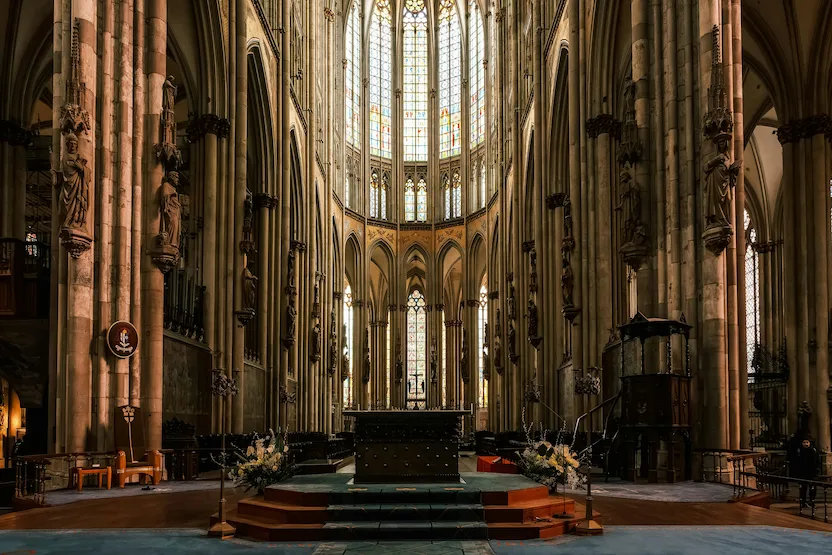
Cologne Cathedral
You will see it almost immediately.
The cathedral rises above everything else in the city, and it is hard to ignore. Even if you are not looking for it, you will end up there at some point.
Up close, the scale is what stands out. It feels larger than expected.
Going inside is worth it, even briefly. The space is darker, quieter, and gives a different sense of the building compared to the outside.
If you are up for it, climbing the tower gives you a view across the city and the Rhine.
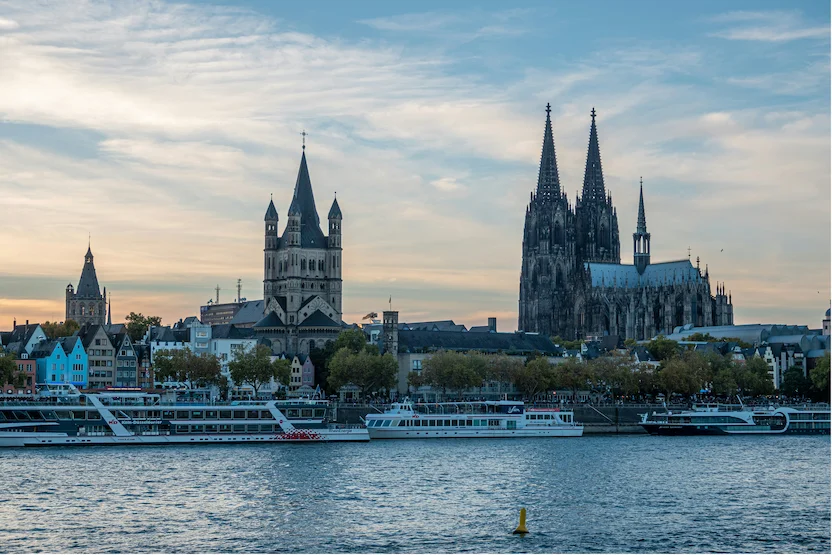
The Old Town along the Rhine
The Old Town sits along the river and is one of the easier areas to explore without a plan.
Colorful buildings, narrow streets, and restaurants spread along the waterfront. It can get busy, especially during the day, but it does not take much to move slightly away and find a quieter stretch.
Like in most busy areas, it is worth keeping an eye on your belongings, especially in crowded spots, as situations like this are where pickpocketing tends to happen.
Walking along the Rhine changes the pace a bit. The space opens up, and the city feels less dense.
You might stop for a drink, or just keep walking. Both work.
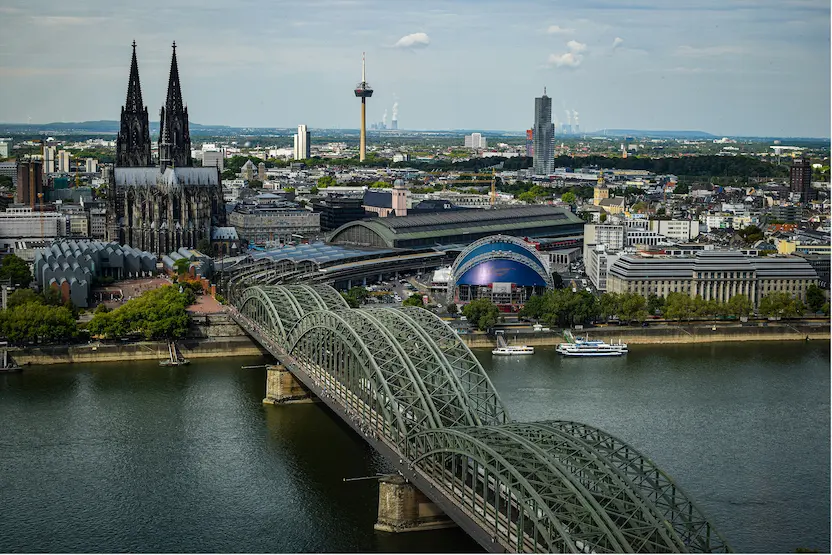
Hohenzollern Bridge
Not far from the cathedral, you will come across the bridge.
It is known for the thousands of locks attached to its railings. People leave them there as symbols, and over time, it has become part of the city’s identity.
Trains pass regularly, which adds to the atmosphere more than you might expect.
From the bridge, you also get one of the better views back toward the cathedral, especially later in the day.
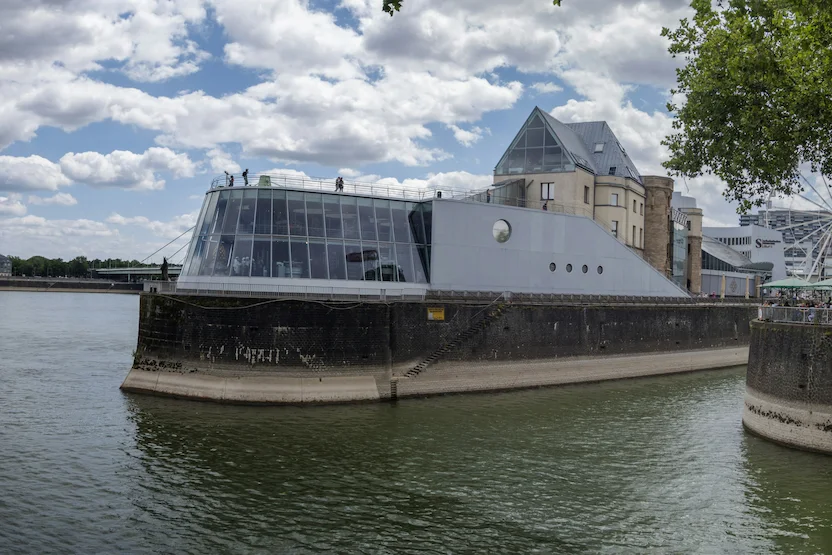
Museums and cultural stops
Cologne has more museums than you might expect.
Some people plan their visit around them, others only step into one or two. Both approaches make sense.
The Ludwig Museum focuses on modern art, while the Chocolate Museum tends to be more interactive and draws a different kind of crowd.
You do not need to visit all of them. It depends on how much time you want to spend indoors.
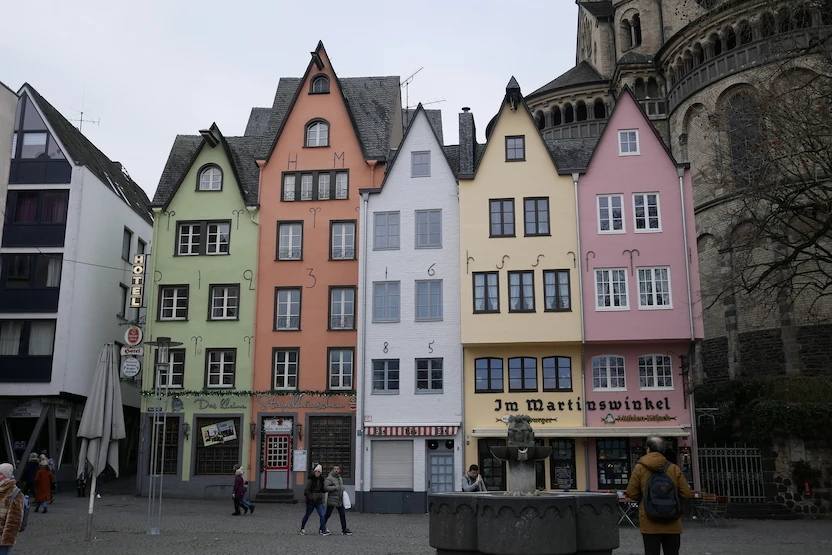
The Belgian Quarter
This is where the city starts to feel a bit different.
The Belgian Quarter is known for its smaller shops, cafés, and a slightly more creative atmosphere. It is less about landmarks and more about how the area feels.
You might not have a specific place to go here, and that is fine.
Walk around, see what stands out, and take your time.

Food and local spots
Food in Cologne is simple and filling.
You will come across local dishes like sausages, potatoes, and traditional German meals that feel familiar even if you have not tried them before.
Beer is also a big part of the culture here, especially Kölsch, which is served in smaller glasses and often brought out continuously unless you say otherwise.
Planning a trip to Cologne?
Get the travel insurance you need, 100% online.
Like most cities, some of the better places are not the ones directly in the busiest areas.
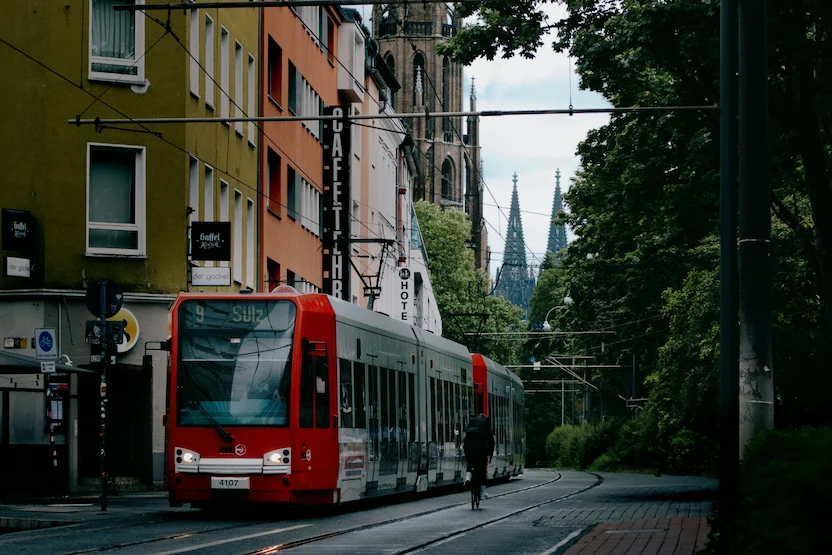
Getting around the city
Cologne is relatively easy to navigate.
Public transport works well, but you may not need it as much if you are staying near the center. Many of the main areas are within walking distance.
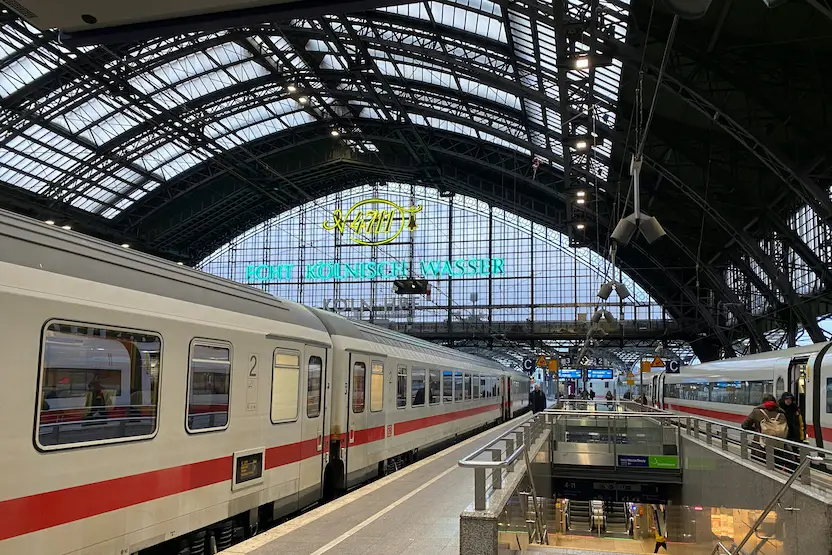
Trains connect Cologne to other major cities, which makes it easy to include as part of a larger trip through Germany.
You do not need to overplan how you move around. It tends to work itself out.
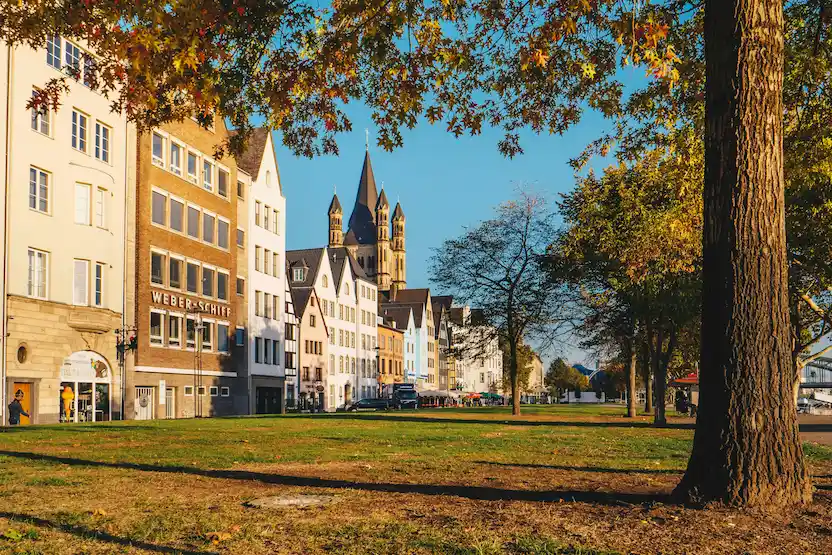
A city that feels lived in
Cologne does not feel overly polished.
There is a mix of old and new, busy and quiet, structured and slightly unpredictable. And that is part of what makes it interesting.
It might not feel as immediately charming as some other European cities, but it grows on you in a different way.
You notice more as you go.
Before your trip, it helps to have a few basics sorted. Things like knowing the emergency numbers in Europe are easy to overlook, but useful if something does go wrong.
And even in a city like Cologne, having reliable travel insurance in place can make it easier to deal with unexpected situations while you are abroad.
Heading to Germany? You might like...
Some travelers need a visa for Germany. Check if you do in our Germany Visa Guide.
This guide is for US residents and citizens to help you understand Germany's entry requirements from the US.
Bringing your phone or laptop to Cologne? Learn about what travel adapters for Germany you might need.
Related posts

Upcoming travels ? Get Insured !
Find the right insurance for your trip by using our powerful comparison tool!