

29+ European Countries Ranked: My Favorites for Nomadic Living
Caroline Lupini - May 27, 2026
Home > Travel Guide > Travel Planning > 29+ European Countries Ranked: My Favorites for Nomadic Living
Share this post
I've lost count of the number of times someone has asked me which European country is "best" for the nomadic life. It's the wrong question — or at least, it's one that only makes sense once you've defined what you're actually optimizing for. Weather? Cost? Community? Visa flexibility? A combination of all of them, weighted differently depending on the month?
Europe has 44 countries - 27 of them in the European Union and 29 in the Schengen zone.
I've spent meaningful time in a lot of them.
What follows isn’t a ranking. But they’re the places I keep returning to, recommending, or thinking about when someone asks where to actually base themselves.
Bulgaria: The Underrated Anchor
Bansko is a less than obvious entry point, but it deserves the reputation it has in nomad circles. A small mountain town with a disproportionately large remote-work community, regular meetups, and a social scene that makes it genuinely easy to meet people — without the transience that plagues bigger cities. A furnished apartment runs under €500/month. Meals out cost a few euros. In summer, you're hiking; in winter, you're skiing. The math works at almost any budget level.
Sofia is worth mentioning separately. More urban, better transport connections, and still dramatically affordable by most European standards. Bulgaria is an EU country, which matters for Schengen planning and for anyone who wants the stability of being inside the bloc.
Greece: More Than an Island Vacation
Most people experience Greece as a holiday destination — a week on Santorini or Mykonos and then home. As a place to actually live and work, it's a different conversation. Athens has become a legitimate nomad base: good infrastructure, a growing coworking scene, and cost of living that is significantly lower than in most Western European capital cities. The food is exceptional and inexpensive in equal measure.
For those who want a slower pace, the mainland cities and less-touristed islands offer something harder to find elsewhere: affordability and beauty in the same place. Thessaloniki in particular is worth considering — Greece's second city, genuinely livable, and underrepresented in nomad discussions. Crete is also high on my list.
Estonia: The Digital Country
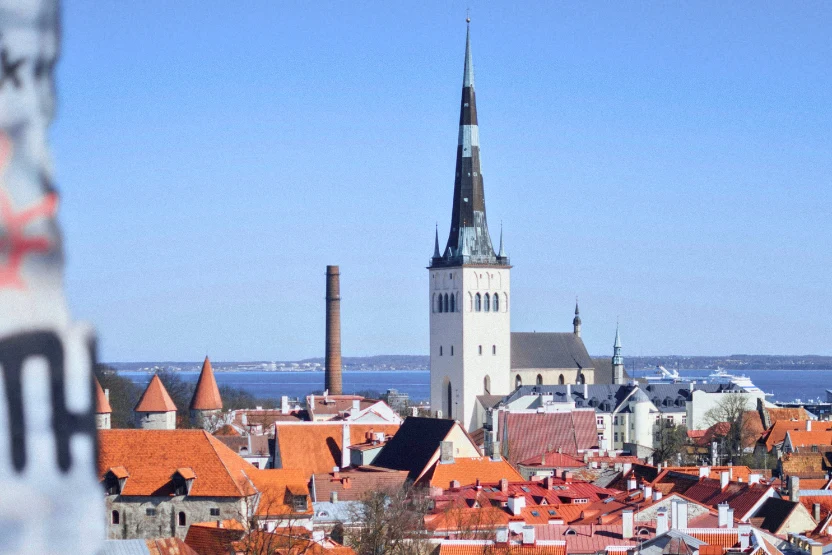
Estonia has built its reputation as the most digitally advanced country in Europe, and that reputation is earned. E-residency, seamless digital bureaucracy, and fast infrastructure throughout. Tallinn's Old Town is one of the most beautiful in Europe and also, somewhat counterintuitively, one of the more affordable capitals in the EU for accommodation and daily life.
The winters are dark and cold, which is either a dealbreaker or irrelevant depending on your tolerance. But for nomads who want to be inside the Schengen zone, work efficiently, and be based somewhere that takes digital infrastructure seriously, Estonia delivers in a way most countries don't.
Another great city to look at is Tartu.
Italy: The Long Game
Italy doesn't typically appear on budget nomad lists, and for good reason — it isn't one. But it belongs on a favorites list because the calculus changes significantly when you move away from Rome, Florence, Venice and the obvious tourist corridors.
Sicily, Calabria, and smaller cities across the south operate at a different price point. Bologna, which doesn't get nearly the attention it deserves, is one of the most livable cities in the country — excellent food, a large student population, good internet, and costs that are manageable if you're coming in with a reasonable income. Italy also introduced a digital nomad visa, which makes longer legal stays more accessible than they used to be. It's not the easiest country to live nomadically, but it's one of the most rewarding when you get it right.
Georgia: Outside the Zone, for Good Reason
Georgia sits outside the Schengen area, which is — strategically — one of its biggest advantages. Most Western passport holders can stay up to a year without a visa, making it a natural reset point for anyone managing 90-day limits across the rest of Europe.
Tbilisi has developed its nomad infrastructure over the last several years: affordable accommodation, an excellent food scene, fast internet in most neighborhoods, and a social culture that makes it easy to connect with other long-term travelers. The cost of living is low in a way that feels almost out of step with how good the quality of life truly is. It's consistently one of the first places I recommend when someone is building a flexible European-adjacent base.
A Note on What These Places Have in Common
None of these countries made this list just because they're cheap. Some of them aren't, by nomad standards. They're here because they offer something harder to quantify: a combination of infrastructure, livability, and the sense that the city is actually built for people rather than optimized for tourists passing through. That's what makes the difference between a destination you visit and one you actually want to live in, even temporarily.
The right European base depends on what you're looking for. But these are the places worth looking at first.
 Sources & references
- Internal Expertise & Review
- Caroline Lupini is a full-time digital nomad, content creator, and Forbes Advisor. Since 2011, she has been traveling the world, working out of world-famous cities to the smallest corners of the Earth. With a goal of visiting every world in the country, Caroline's life revolves around international travel. Her vast experience allows her to share what she's learned with other travelers and digital-nomad-hopefuls.
- Estonia:
- Estonia's E-Residency Platform : The application platform for Estonian residency
- Italy:
- Digital Nomad Visa: Italy : Information from the Italian Consulate in New York City about Italy's Digital Nomad Visa
- Georgia
- Georgia Travel Information : Information on traveling to Georgia, including entry requirements, like 365 days of visa-free travel.
- Written by:
- Caroline Lupini - Contributing Travel Writer
- Fact-check and reviewed by:
- Sarah Pardi - Staff Travel Advisor
- Last updated:
- May 27, 2026
Learn more about our editorial standards and review process in our Editorial Policy.
Related posts




Upcoming travels ? Get Insured !
Find the right insurance for your trip by using our powerful comparison tool!