
Night Trains in Europe: Which Sleeper Routes Are Actually Worth Taking?
Emese Maczko - November 24, 2026
Home > Travel Guide > Travel Planning > Night Trains in Europe: Which Sleeper Routes Are Actually Worth Taking?
Share this post
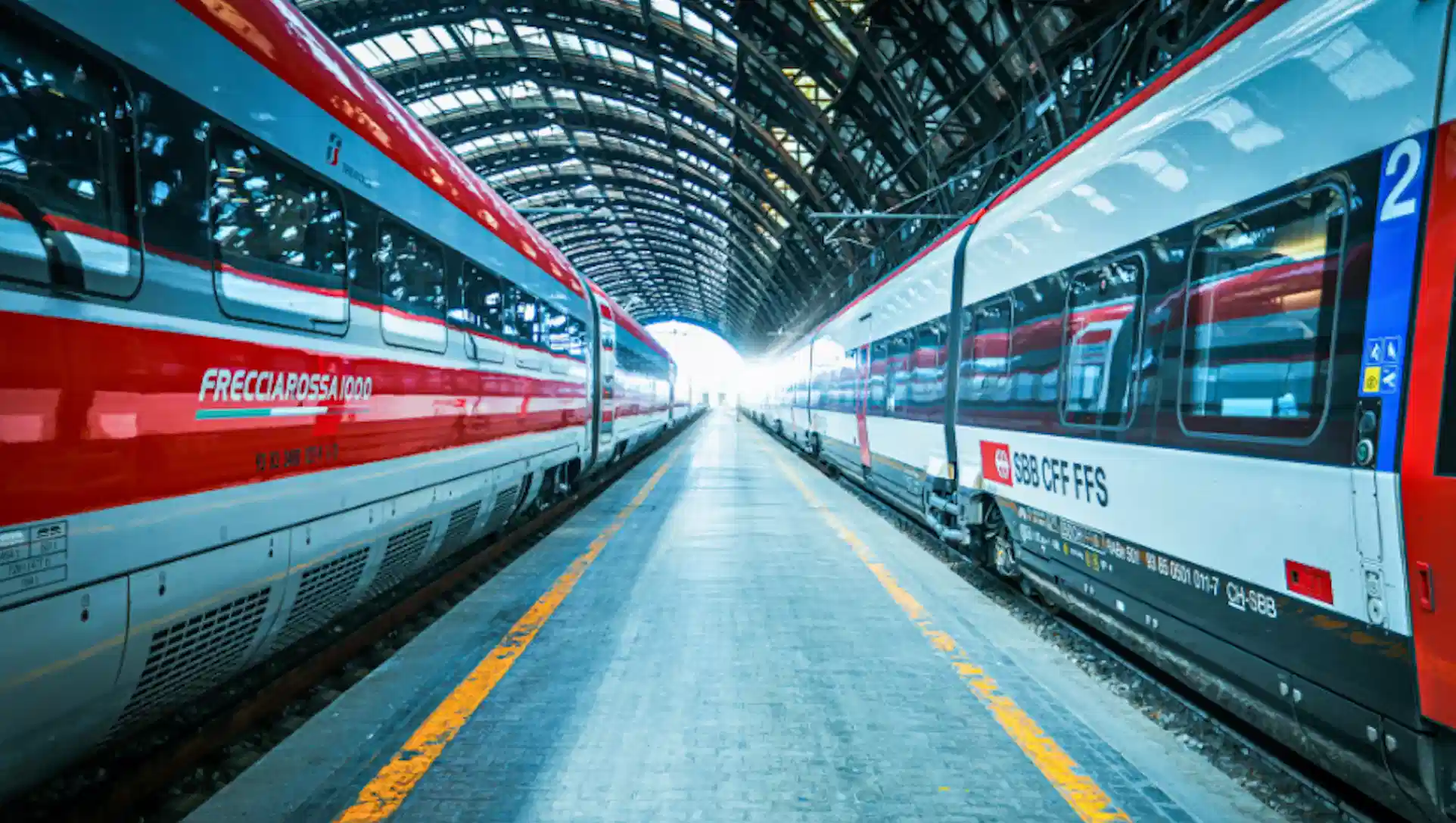
There is a romantic image behind night trains in Europe: falling asleep in one country and waking up in another. Unlike daytime rail, travelers can cover longer distances while they sleep, potentially eliminating both a flight and a hotel night.
However, the best night trains in Europe aren't necessarily the most scenic ones. They're the ones that offer good value for money, reliable schedules and comfortable accommodation.
While punctuality can vary considerably between individual services, these 4 night train routes offer a good balance of comfort, convenience and value.
If you're heading to Europe...
Protect your trip with bestselling insurance, 100% online.
VR Sleeper Train: from Helsinki to Rovaniemi
According to VR's 2025 Annual Report, 89% of Finland's long-distance trains arrived within five minutes of their scheduled arrival time.
Finland's VR night train connects Helsinki with Rovaniemi in Lapland in approximately 12 hours. Trains depart around 7:30 p.m. and arrive at 7:20 a.m. the following morning. But there is also a late departure option leaving the capital at 11:15 p.m. and arriving around 11 a.m. Both services make several stops, including Tampere, Oulu and Kemi.
VR offers private sleeper cabins with bunk beds for one to three passengers. Downstairs cabins have shared bathroom facilities, while upstairs cabins have private showers and toilets. Unlike some European sleeper services, VR does not sell individual berths in shared sleeper cabins, so all passengers have the cabin to themselves.
Private cabins start at €49, while cabins with showers start at €74.
Trenitalia Intercity Notte: from Trieste to Rome
According to Treniamo's analysis, 70.7% of Italy's overnight trains arrived within five minutes of schedule, but the Trieste–Rome route outperformed other routes, with 90.3% on-time arrivals.
Italy's Trenitalia Intercity Notte connects Trieste with Rome in approximately 11 hours and 50 minutes, departing around 6:45 p.m. and arriving at 6:35 a.m. the following morning. The direct service makes several stops, including Udine, Venice Mestre and Bologna.
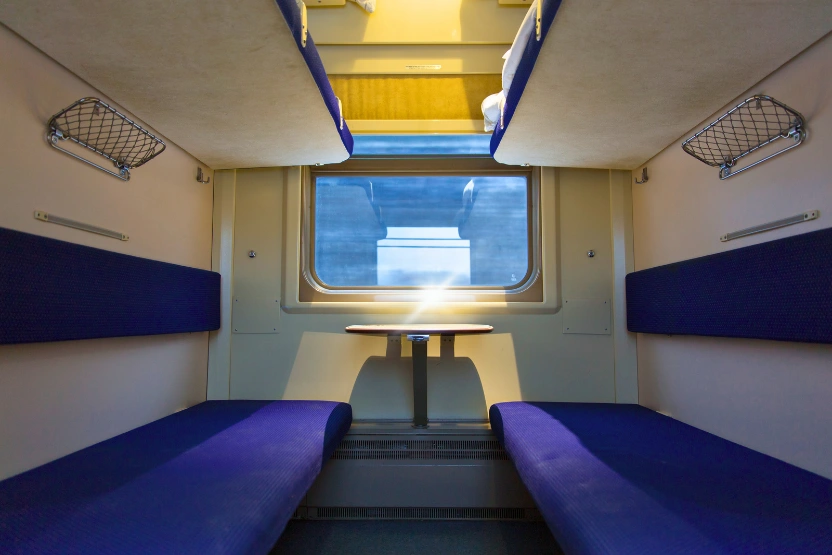
Accommodation includes seats, shared four-berth Comfort Couchettes and private sleeper cabins for one to three passengers. Some premium cabins have private bathrooms, while breakfast is included with sleeper accommodation.
Ticket prices vary by date and accommodation type. Fares start at approximately €31 for a seat, €55 for a couchette and €113 for a private sleeper cabin.
| Please note: prices shown are accurate as of November 2026 and are subject to change. Always check pricing via official train websites or apps. |
Caledonian Sleeper: from London to Inverness
According to Caledonian Sleeper's 2026–27 performance reports, punctuality (arriving with less than one minute's delay) of all routes ranged from 69.9% to 85.6%.
The Caledonian Sleeper connects London with Inverness in the Scottish Highlands in approximately 11.5 hours. The direct overnight service departs London Euston around 9:15 p.m. and arrives in Inverness at approximately 8:45 a.m. the following morning. It makes several stops, including Preston, Stirling, Perth and Aviemore.
Passengers can choose between reclining seats, Classic Rooms with bunk beds and shared toilets, Club Rooms with private showers and toilets, or Caledonian Double Rooms with double beds and en-suite facilities.
Indicative one-way fares for London–Inverness start at £54 for a seat, £165 for a Classic Room for one passenger, £215 for a Club Room and £420 for a Caledonian Double.
SJ Night Train: from Stockholm to Umeå
According to Your Travel Radar's analysis, 92% of Stockholm–Umeå night trains arrived within five minutes of schedule.
Sweden's SJ night train connects Stockholm with Umeå in approximately 9 hours and 15 minutes. The direct service departs around 9:55 p.m. and arrives at 7:11 a.m. the following morning, stopping at stations including Arlanda Airport, Uppsala and Gävle.
Accommodation includes seats, shared six-berth couchettes and sleeper compartments for up to three passengers. Private first-class sleeper cabins offer en-suite showers and toilets, with breakfast included.
Fares start at SEK 45 for a seat, SEK 260 for a couchette berth, SEK 420 for a sleeper berth, and SEK 820 for a private first-class cabin. However, actual prices depend on the departure date and availability.
For travelers unfamiliar with European rail, this guide to traveling by train through Europe explains what to expect when booking tickets, navigating stations, and traveling with luggage.
When Should Travelers Choose Night Trains?
A 2025 European survey found that only one in four Europeans had taken a night train in the preceding six years, although 86% would consider one if more connections were available. Furthermore, even for journeys exceeding 2,000 km, one in five would choose a night train, twice as many as would opt for daytime rail.
So you may already be wondering: Why choose a night train when a nonstop flight within Europe typically takes just 2–3 hours? The answer often depends on comfort, cost, convenience, and the journey itself.
Comparing planes to trains based on flight time alone doesn't tell the whole story. Time spent on airport transfers, security checks, boarding, and baggage collection adds to the overall journey.
Unlike flying during the day and spending the night in a hotel, sleeper trains leave more time to explore each city before departure and after arrival.
Another advantage is arriving directly in a city center. Many of Europe's most walkable cities also have extensive public transportation networks, reducing the need for taxis or rental cars.
Cost is another consideration. Budget flights may seem cheaper at first, but baggage fees, seat selection, and airport transfers can quickly add up. It is best to compare the price of a private cabin with the combined total cost of a flight and hotel room.
Then there's the environmental impact. Nearly one in four Europeans consider night trains an environmentally friendly way to travel.
Trains generally produce fewer emissions per passenger than planes, especially when powered by low-carbon electricity. A 2025 study by Simon Blainey and Bradley Hare examined the potential of European night trains to reduce aviation emissions and found that approximately 35% of flights within Europe could potentially be taken by overnight train (if they existed).
Why Aren't There More Sleeper Trains in Europe?
A study commissioned by Germany's transport ministry estimated approximately 20 million night-train passengers annually across Europe, including those traveling in seated carriages.
The demand is there, but why haven't operators introduced hundreds of new services? Strong passenger demand doesn't necessarily guarantee profitability. A second study published in 2026 by Zdeněk Tomeš and Vilém Pařil provides some answers.
Drawing on interviews with three European railway operators, the researchers identified several barriers, including expensive rolling stock, limited profitability, infrastructure constraints and complicated cross-border operations.
Germany's Deutsche Bahn has already discontinued its traditional City Night Line sleeper services after years of financial losses and decided to focus instead on overnight ICE and Intercity trains with conventional seating. According to International Railway Journal, DB reported annual losses of €32 million against revenue of €90 million before the decision.
Austria's ÖBB took the opposite approach. It purchased 42 sleeping cars and 15 couchette cars from Deutsche Bahn to expand its Nightjet network and invested more than €500 million in modern sleeper trains.
Related posts



Upcoming travels ? Get Insured !
Find the right insurance for your trip by using our powerful comparison tool!
Emese Maczko - November 24, 2026
Emese Maczko - October 20, 2026
Emese Maczko - October 9, 2026
Emese Maczko - September 2, 2026