
Home > Travel Guide > Travel Safety & Health > Barcelona's Tap Water: What You Need to Know
Share this post
Whether you're in the midst of planning a trip to Barcelona, or you're already there and it's dawned on you that you don't know...
Is the tap water safe to drink in Barcelona?
We're going to spare you the heartache and give you the answer before we get into the weeds. Yes, the tap water is perfectly safe to drink in Barcelona!
That said, you might want to stick around and learn more about why it is safe, the rules that make it so, and how to find free water around the city.
Leaving on your trip soon? Don't forget to get Spanish travel insurance!
You can drink the tap water in Barcelona
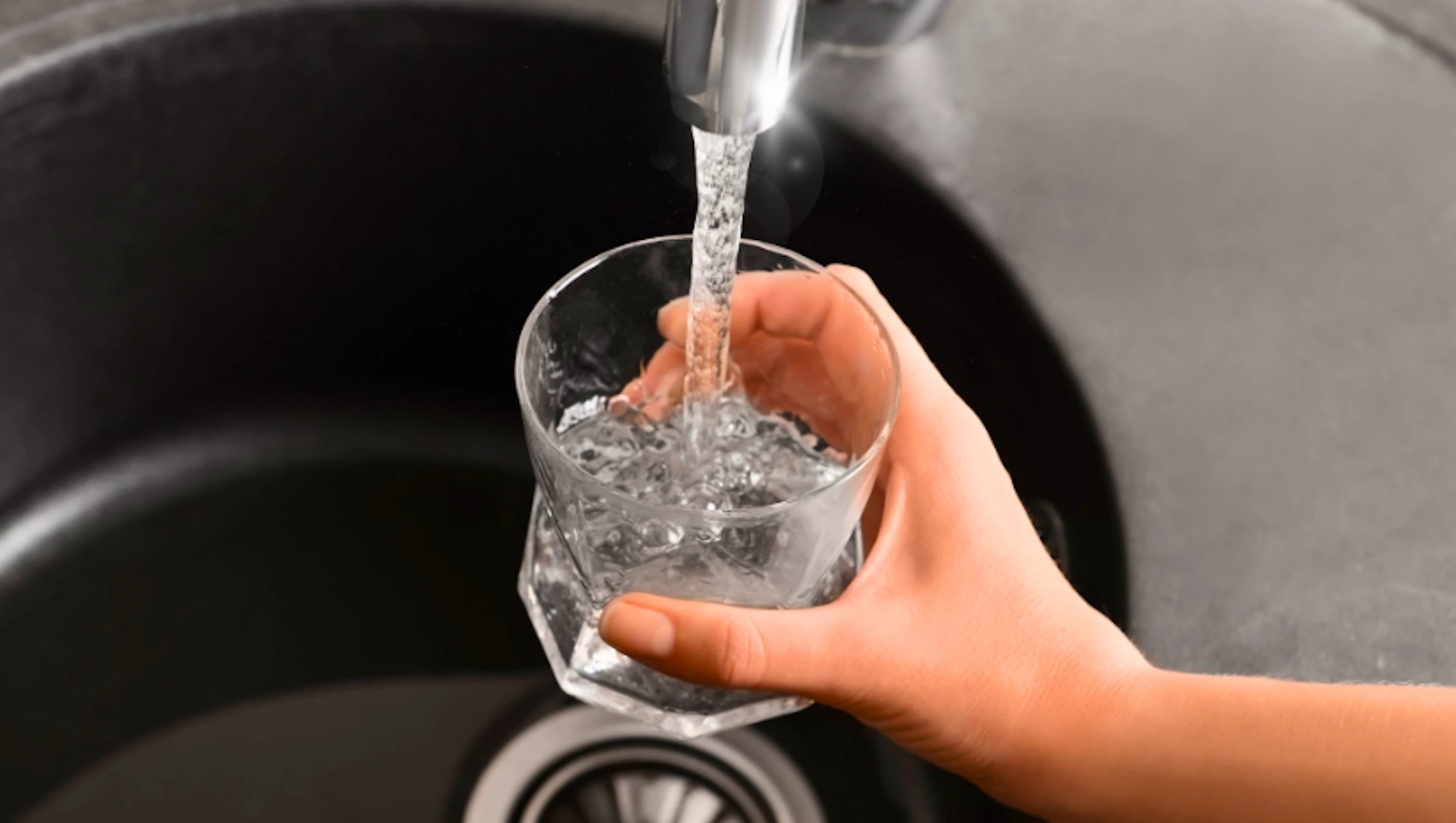
The tap water in Barcelona is safe to drink. You do not need to worry about bacteria, harmful chemicals, or other questionable substances when you head to the faucet and pour yourself a cup.
We can thank a couple of things for this. One, the European Union has strict regulations that all of its member countries, including Spain, must adhere to. Water quality/safety is one of them.
The other thing is the advanced, controlled, and monitored water systems that Barcelona has put into place.
In addition, Spain has strict water control rules at a national level, and Barcelona adheres to the World Health Organization's water safety regulations, too.
All of this said, Barcelona does have very hard water.
Water's "softness" or "hardness" doesn't make it more or less safe to drink, but it can affect the taste of the water.
How tap water is purified in Barcelona
Tap water in Barcelona comes from 3 major sources, as well as one fourth source on a smaller scale.
Water sources include:
- The Besós River
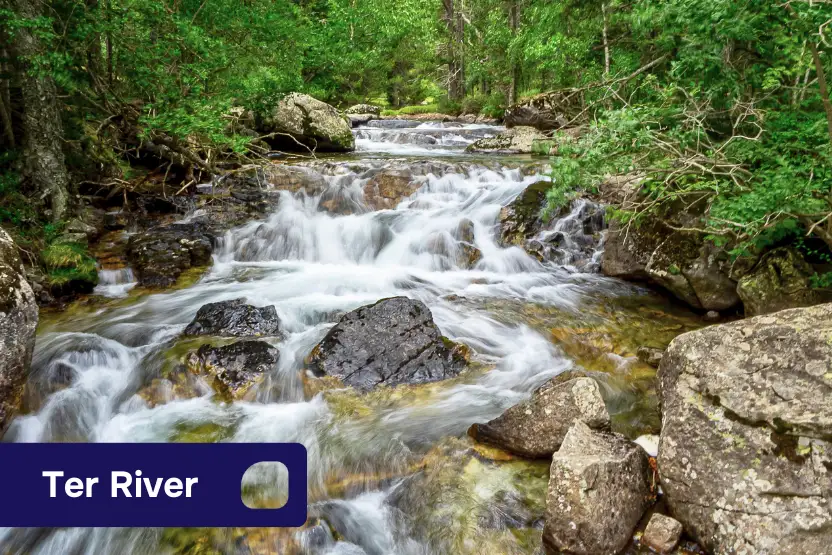
- The Ter River
- The Llobregat River
- The Mediterranean Sea
Water gets transported from the rivers and the sea to water treatment facilities. Once at the proper facility, the water goes through several different processes.
For instance, the water is screened (with literal screens) and then given chemical and physical treatments. It's also placed into large vats where natural sediment has the chance to be sifted out via gravity.
When the water sits for a longer period, it has time to settle, allowing sediment, pebbles, and other natural matter to fall to the bottom of the tank.
Another step of the cleaning process happens in these tanks, too. The sitting water passes through sand filters to further strip out the tiniest particles left behind.
The purification process doesn't end there, though.
The water will still go through carbon filtration and ozonation. According to Aigües de Barcelona (Barcelona's official water company), ozonation is the best available disinfectant.
During ozonation, any present microbacteria or unsafe metals are stripped from the water.
Still, the water isn't ready to head to Barcelona's taps.
Next, it undergoes an ultrafiltration process, and then reverse osmosis. These processes help remove any lingering bacteria, as well as viruses and salts.
Finally, the water has to be rebalanced and mineralized, which is done with carbonate rock.
Once the water has passed through all these steps and has undergone purification tests, it is transferred to large reservoirs. It eventually makes its way into Barcelona's pipes via a large distribution network and pumping systems.
As you can see, there are a lot of steps to ensure that Barcelona's drinking water is safe, and the water is tested at every single stage of the journey.
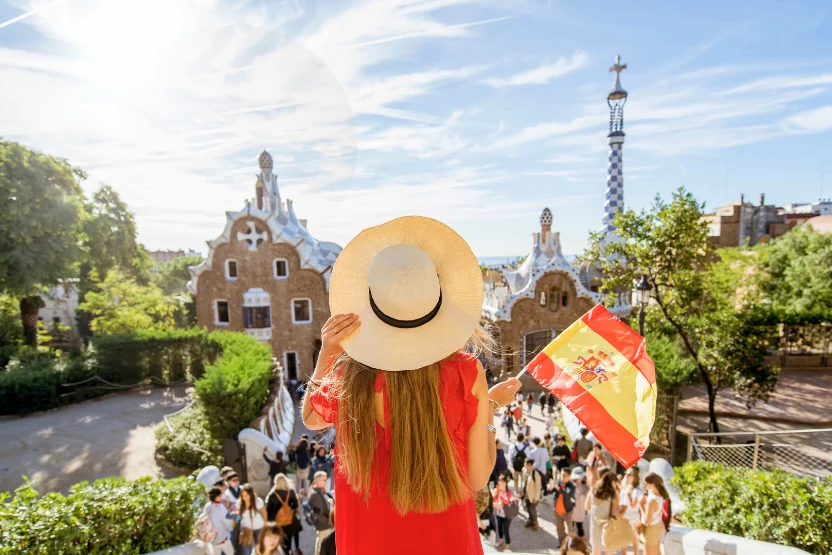
Where to find free water in Barcelona
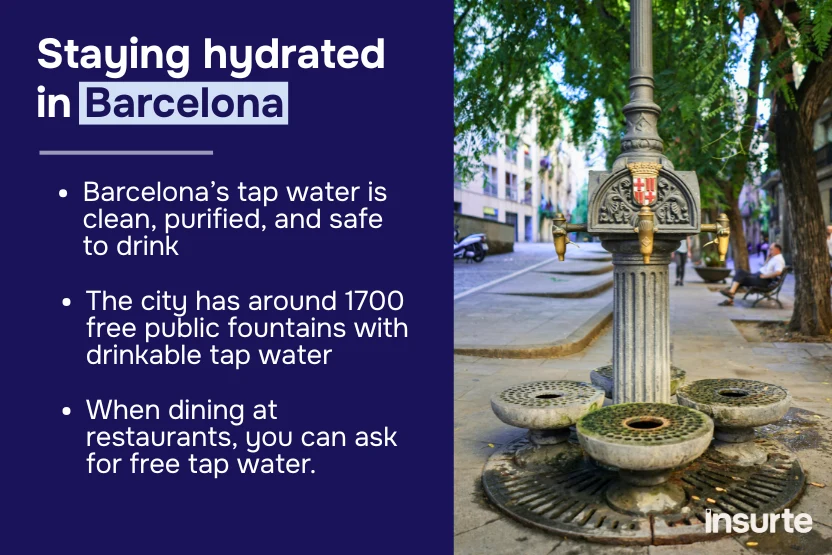
Some of Barcelona's safe tap water is also sent to free drinking fountains around the city.
In fact, Barcelona has around 1700 drinking fountains available to anyone and everyone.
A large portion of those, just over 300 in fact, are decorative.
When finding water in public areas, keep an eye out for any signs that say the water is not safe. In Barcelona, having these signs up is a legal requirement.
The signs could say:
- No potable
- Agua no potable
- Agua no apta para el consumo humano (water isn't suitable for human consumption).
If there isn't a sign like this, the water is likely potable. That said, always use your best judgment, and when in doubt, skip.

You can get free tap water at restaurants in Barcelona
Different countries have different norms in restaurants and bars.
Historically, the norm in Spain has been to order bottled water individually or even for the table. This bottled water, of course, comes at a price.
However, in 2022, Spain passed a law requiring all restaurants to provide tap water to their guests for free.
While the law has changed, customs and norms take longer to follow suit. This means you will need to ask for tap water specifically. If not, the server will likely bring bottled water to your table, on your dime.
If you want tap water, you should specify it when you order. The term for tap water in Spanish is agua del grifo.
Barcelona tap water FAQs
Sources:
Related posts

Upcoming travels ? Get Insured !
Find the right insurance for your trip by using our powerful comparison tool!
Sarah Pardi - October 23, 2026