
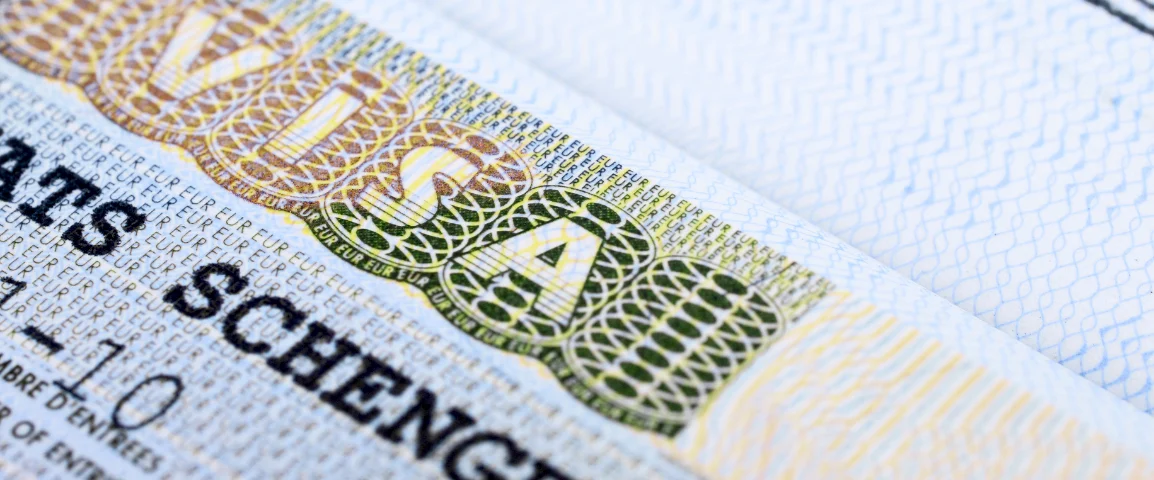
Most of the time, applying for a Schengen visa means working with a visa processor. Visa processors are external (but official) partners of the governments that they work for. For several destinations, that partner is called TLScontact. Visa processors run verified visa application centers, where you submit your application file and fingerprints, and then they submit your information to the relevant authorities for a decision to be made.
One thing is important to know: TLScontact doesn’t decide whether or not your visa is approved or denied. They handle the more administrative part of the process, not the decision-making one. This guide explains the exact role they play in the process, how to submit your application, the documents to collect, fees to expect, and how to track your file.
Don't Forget This Visa Requirement...
Applying for a visa through TLS? Schengen travel insurance is mandatory.
What is TLScontact, and what is its role in the visa process?
TLScontact is a visa processing company that partners with governments to oversee the administrative part of visa applications. Part of the TP Group, they facilitate Schengen visa interviews, collect your file, check that the documents are there, record your biometrics, and then forward everything to the relevant consulate. TLScontact never decides whether or not a visa is granted.
In fact, TLScontact doesn’t have any power over the decision, not even influence. They only confirm that your file is complete and that the included documents match the checklist set by the Schengen Visa Code and consulate. The consulate is the body that both examines your application in more detail and decides whether or not your visa is granted or denied.
This means that TLScontact can’t speed up the decision, and they also do not know what the outcome of your application will be. Their role is to inform, collect, and pass along. Other visa processors exist too, such as VFS Global and Capago. Which visa processor you work with depends on the country you’re applying to and where you live.
How do you submit a visa application through TLScontact?
The process happens in three main parts. You prepare your application, book and attend an appointment, and then your application is submitted. How to initiate the process depends on the country you’re applying to. If you live in the US and are applying to visit France, for example, the process begins on the France-Visas portal. There, you can initiate the application and get the official checklist of documents you’ll need to provide. Then, on the TLScontact website, you can book your (mandatory) visa appointment. The application itself is submitted in person, at your appointment.
Here is the full journey, step by step.
- Initiate the application process. For France, that means creating an account on France-Visas and filling in the online form for your travel purpose. The site then generates your personalised list of supporting documents.
- Create an account on the TLScontact site for your country of residence.
- Book an appointment slot. Slots book up quickly, so start early. (Note: visa centers do have processing fees. They’re mandatory and non-refundable).
- Go to your appointment on time with your complete file. A visa officer will check the documents, and you will pay the visa fee. Your fingerprints and photo are taken.
- Track your application online.
We highly encourage you to read our Schengen Visa Requirements Guide, as there are some common mistakes that can show up across visa applicants. A non-compliant photo, a passport that doesn’t have enough remaining validity, and travel insurance that doesn’t meet the minimums are common reasons for delays and refusals.
What documents do you need for your TLS visa file?
For short-stay Schengen visas, the core requirements are always the same. You’ll need a valid passport, two visa photos, travel insurance covering at least 30,000 euros, proof of accommodation, a return travel booking, and proof of sufficient funds.
There is one common assumption that is incorrect – the list isn’t fixed. While these core requirements remain unchanged, consulates can ask you to provide more information, or even specific documents meeting additional requirements. Some consulates may ask for tax information, proof of residence, employment letters, and other relevant documentation.
What are the TLScontact visa fees?
There are two fees you need to think about for Schengen visa applications. The visa fee goes to the consulate. It’s 90 euros per adult and 45 per child (ages 6-12). Then, there is the visa center fee. This fee goes to TLScontact, and it varies depending on the visa you’re applying for (short or long-stay) and where you live.
| Service | Indicated fee | Refundable? |
|---|---|---|
| Short-stay Schengen visa (type C) (adults) | 90 euros | No |
| Short-stay Schengen visa (type C) (children ages 6-12) | 45 euros | No |
| Short-stay Schengen visa (type C) (children under the age of 6) | Fee waived | N/A |
| TLScontact service fee | Varies by where you live & visa type (often 30+ euros per applicant) | No |
| Additional optional services (add-ons) | Varies | Depends on the option |
One part does surprise applicants, and it’s that fees are not refundable, even in the event that your visa application is denied. Your payment goes towards the processing of your application, not the result. Make sure that you have a payment method that the center accepts (such as a debit or credit card) and that you’re ready to pay when prompted (whether that’s online or during your appointment).
Where to submit your application: the TLScontact centers
For Schengen visas, you always apply in the country you legally reside in. TLScontact runs visa centers in many countries, often in major cities. In the United States, for instance, there are TLScontact centers in New York, Washington, Los Angeles, and Chicago (among others). In the United Kingdom, you can find them in London, Manchester, and Edinburgh.
Appointments can be booked online on the official TLScontact site for your country. Since addresses, opening hours, and the exact list of centers are subject to change, it is best to check the official portal for information about when you can book, rather than trust copied lists you find elsewhere. Still, one thing holds true: Book early, because appointment slots fill up extremely quickly.
On the day of your TLScontact appointment: what to expect
The appointment typically isn’t lengthy. You arrive and show your appointment confirmation. Then, you wait your turn. Once it’s your turn, an agent will look through your file and make sure all of the necessary documents are present. If they are, they will take the file and then also take your biometrics (fingerprints). You’ll pay the application fee and receive information on how to track your application. Keep in mind that TLScontact will take your physical passport, but you will get it back.
Make sure that you arrive on time. Being late could result in you losing the slot and needing to rebook completely. This can be detrimental to not only the timing of your application, but also to your wallet and time if you had to travel out of town for your appointment. It’s also important to know that your application can be stopped at the counter, before it even reaches the relevant consulate. This can happen if a document is missing or your file doesn’t meet requirements. The agent will let you know what is needed.
The biometrics portion of the appointment isn’t anything to worry about. Your fingerprints are taken; sometimes a photo and signature are, too. If you’ve given your biometrics in the past 59 months, you likely won’t need to do it again.
Tracking your TLS visa application online
You can track your application through your TLScontact account (the agent should give you information on this). If you’re applying for a visa for France, you can also keep track of it via the France-Visas portal.
Trouble accessing the TLScontact website: what to do?
If the TLScontact website is blocked or won’t load, there are a few things you can try. If you’re using a VPN, try loading the website with your VPN deactivated or off. You can also try clearing your cache or using a different browser. If you see a Cloudflare security page, you might need to wait a few minutes and try again.
Many visa processor websites have automatic protections against bots. It isn’t unusual for a VPN or ad blocker to trigger an error message. This doesn’t mean that you or your account are blocked; it’s typically an automatic failsafe. If you’ve tried deactivating your VPN, an ad blocker, clearing the cache, and launching a new browser, but you’re still having access issues, you should reach out to TLScontact for technical support.
TLS visas FAQ: the most common questions
 Sources & references
- Internal Expertise & Review
- Our team of Schengen visa insurance experts is dedicated to providing quality, accurate information for travelers worldwide. With more than 15 years of experience, we're committed to helping travelers understand their options when it comes to European and Schengen travel.
- TLScontact:
- About TLScontact : The TLScontact official website
- Written by:
- Sarah Pardi - Staff Travel Advisor
- Fact-check and reviewed by:
- Clément Goubon
- Last updated:
- August 5, 2026
Learn more about our editorial standards and review process in our Editorial Policy.