

The Ministry of Foreign Affairs (MOFA) plays a large role in every country, but for many of us, it's a government department that we only hear about in passing.
But what exactly is the Ministry of Foreign Affairs, and what do they do?
By the end, you’ll have a clear understanding of MOFA’s role, especially when it comes to handling international relations, consular services, and foreign policy.
What is MOFA?
At its core, the MOFA is a government department responsible for managing a country’s interactions with the rest of the world.
Think of MOFA as a bridge connecting your country to other ones.
While its name might vary from one place to another (for example, in the US it’s called the Department of State, and in the UK, it’s the Foreign, Commonwealth & Development Office), the MOFA's purpose remains fairly consistent across the board.
First, it ensures that your country stays informed, connected, and engaged with the global community.
From negotiating treaties to representing citizens abroad, MOFA has its hands full with a wide variety of responsibilities that affect our day-to-day lives, whether you're traveling, studying abroad, or moving to another country.

What does MOFA do?
Consular services: taking care of citizens abroad
One of MOFA’s most visible roles is helping citizens when they’re abroad.
Whether you’ve lost your passport, found yourself in legal trouble, or need help during a natural disaster, MOFA (through embassies and consulates) is there for you when you're in another country.
MOFA embassies and consulates provide services like:
- Assisting with passport renewals or replacements when abroad.
- Offering guidance during emergencies.
- Supporting citizens during legal disputes or even incarcerations abroad.
- Repatriation of citizens in extreme cases, such as political unrest or medical emergencies.
International relations
MOFA’s bread and butter is handling international relations.
When we say international relations, we're talking about things like negotiating trade deals, fostering diplomatic partnerships, and managing cultural exchanges.
They're responsible for:
- Establishing and maintaining diplomatic relationships with other countries.
- Participating in global forums, like the United Nations or the World Trade Organization.
- Managing treaties and agreements.
- Facilitating international cooperation on security, climate change, and public health issues.
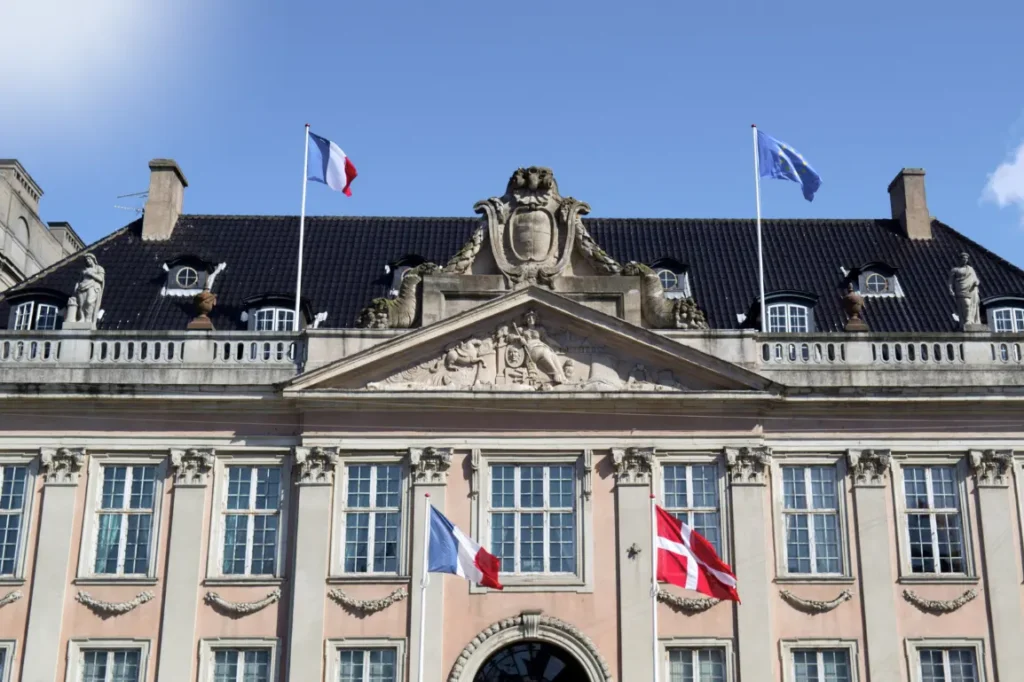
Embassies are the physical representation of these relationships, acting as hubs.
MOFA and foreign policy
Foreign policies define how countries interact with the rest of the world. The MOFA plays a huge role in this. For example, decisions made by the MOFA can impact several different things, including trade, security, human rights, the environment, and more.
MOFA is involved in:
- Developing strategies that guide how a country engages with others (trade policies, defense partnerships, or environmental commitments).
- Navigating international law.
- Representing the country in global conferences and organizations.
- Advocating for the country’s interests in international negotiations.
Foreign policy decisions aren't taken lightly, as they have long-standing effects, not just on international relations but also on the country’s economy and security.

Visa issuance and immigration
Additionally, MOFA plays a huge role in regulating who comes into the country and who leaves it.
This is done through visas, which are processed by embassies and consulates, often through partnerships with trusted visa partners.
MOFA oversees:
- Visa application processing.
- Collaboration to ensure smooth entries and exits.
- The prevention of illegal immigration, smuggling, and human trafficking.
Embassies decide whether or not applications, such as Schengen visa applications for example, are approved or denied.
Who works at MOFA?
MOFA, regardless of the country, is staffed by a wide range of professionals, from career diplomats to policy experts and legal advisors.
Foreign service officers, who spend years abroad representing their country in embassies or consulates, are often the face of MOFA’s operations.
They handle everything from visa requests to pretty delicate international negotiations. Their work requires a deep understanding of both domestic interests and global dynamics.
Additionally, MOFA often works closely with international organizations like the European Union or the United Nations to address global challenges.
This level of cooperation requires a sophisticated understanding of not only foreign policy but also international law and trade.
Why does MOFA matter to you?
You might wonder how any of this relates to your day-to-day life.
The truth is that MOFA’s activities impact all of us, even if we aren’t aware of it. Whether it’s securing a trade deal that affects the price of your favorite electronics or ensuring you can safely travel abroad, MOFA is constantly working behind the scenes for its citizens.
The next time you travel or study abroad, MOFA is there, guiding and shaping the interactions between countries.
 Sources & references
- Internal Expertise & Review
- For more than 15 years, our expert team has been providing travelers with pertinent information surrounding European entry requirements and migration. We're dedicated to sharing accurate, in-depth information in a way that is easy to understand and interpret.
- About Ministries of Foreign Affair
- France's Ministry of Foreign Affairs : Information on what France's MOFA does and how it operates
- Finland's Ministry of Foreign Affairs : Responsibilities of Finland's Ministry for Foreign Affairs
- The Netherland's Ministry of Foreign Affairs : Details about the Netherland's Ministry
- Written by:
- Sarah Pardi - Staff Travel Advisor
- Fact-check and reviewed by:
- Clément Goubon
- Last updated:
- July 30, 2026
Learn more about our editorial standards and review process in our Editorial Policy.